Ada Traditional Council suspends four chiefs for defying 2026 Asafotufiami durbar cancellation
The Ada Traditional Council has taken disciplinary action against four of its senior members, suspending them for two years after they allegedly defied an official decision to cancel the grand durbar of the 2026 Asafotufiami Festival. The suspension, which took effect on August 14, 2026, will remain in place until August 13, 2028, barring the affected members from all council duties, privileges and participation in traditional affairs.
The four suspended chiefs are Nene Djabaku Kubi V (Ada State Dzase), Asafoatsengua Dabra V (Asafoatsengua of Kabiawe Kponor), Nene Tetteh Ayiku Abordonu IV (Wetsoyi of Kabiawe Tsu), and Nene Osakonor Okronipah IV (Wetsoyi of Kabiawe Yumu). According to a notice from the council's registrar, Ebenezer C. Mettle-Nunoo, the disciplinary measure was formalised through a resolution approved by Nene Abram Kabu Akuaku III, the Paramount Chief of the Ada Traditional Area.
What triggered the suspension
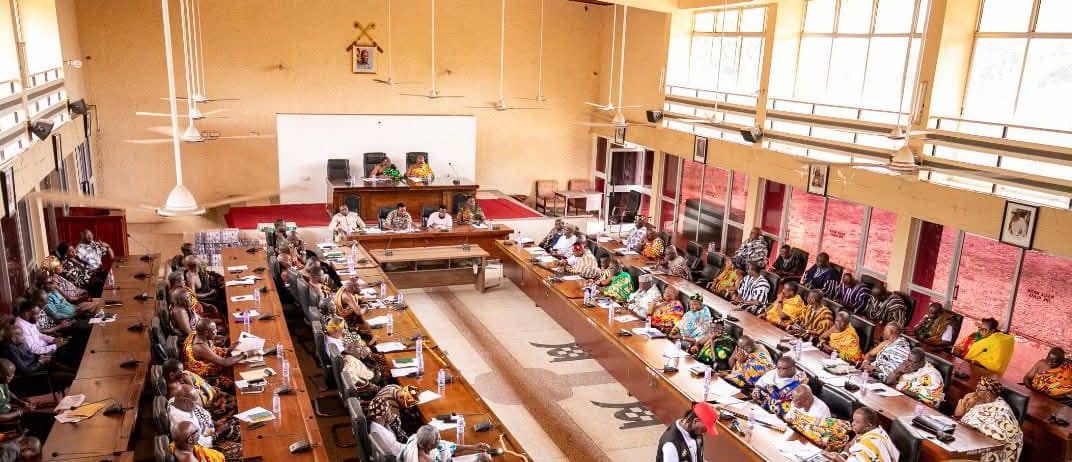
The Ada Traditional Council convened an emergency meeting on August 5 where all four members were present and voted to cancel the grand durbar scheduled for August 8. However, following this decision, the four chiefs allegedly organised, participated in, or encouraged others to take part in the cancelled durbar, which the council characterised as a deliberate act of defiance against its authority.
The council's resolution specifically stated that decisions made by the Ada Traditional Council, as the highest traditional authority in the area, could only be overturned by the council itself. By proceeding with the durbar, the suspended members violated established protocols and traditions governing the Ada Traditional Area.
Why it matters for Ghana
This case illustrates the ongoing tension between traditional authority and individual agency within Ghana's chieftaincy institutions, a critical issue as communities navigate modernity whilst maintaining customary governance structures. The Ada Traditional Area, comprising ten clans, depends on hierarchical decision-making and adherence to spiritual protocols for social cohesion. When senior chiefs publicly defy council decisions, it creates precedent that could undermine the legitimacy of traditional institutions that many Ghanaians still rely upon for dispute resolution, land administration, and cultural continuity.
The council's concerns were not merely administrative but spiritual. The durbar's cancellation reportedly affected crucial customary rites: the Adibiawe Clan's traditional responsibility of opening the durbar grounds, the Worlip priest's ceremonial duties, and the Dangmebiawe Clan's closing rituals. These elements form part of the festival's spiritual and ceremonial cycle, and the council noted that inappropriate performance would require pacification and re-performance, adding layers of cultural and spiritual complexity.
For Ghana's broader traditional governance landscape, this suspension demonstrates how councils are attempting to enforce compliance with their decisions through disciplinary mechanisms. The two-year ban represents a significant measure, effectively sidelining experienced chiefs from council activities during a critical period. Whether this action successfully restores order or deepens factional divisions within the Ada Traditional Area will be closely watched, as similar disputes have emerged in other Ghanaian traditional jurisdictions in recent years.
The resolution was witnessed by Asafoatsengua Adjumani VI, Nene Akiti III, and Asafoatsengua Saki Keteni VI, suggesting broad council support for the disciplinary action, though the involvement of four prominent chiefs in the defiance indicates potential underlying disagreements about festival management or council authority that may not be fully resolved by this suspension.
Source: MyJoyOnline


Comments (0)
Be the first to comment.