
Accra's Aboboyaa Crisis: DVLA Reveals 90% of Tricycles Lack Basic Safety Features
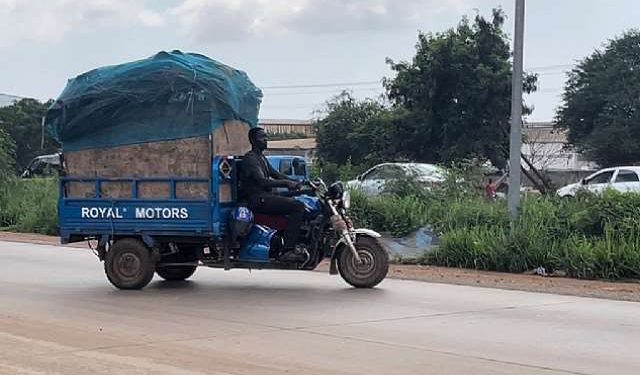

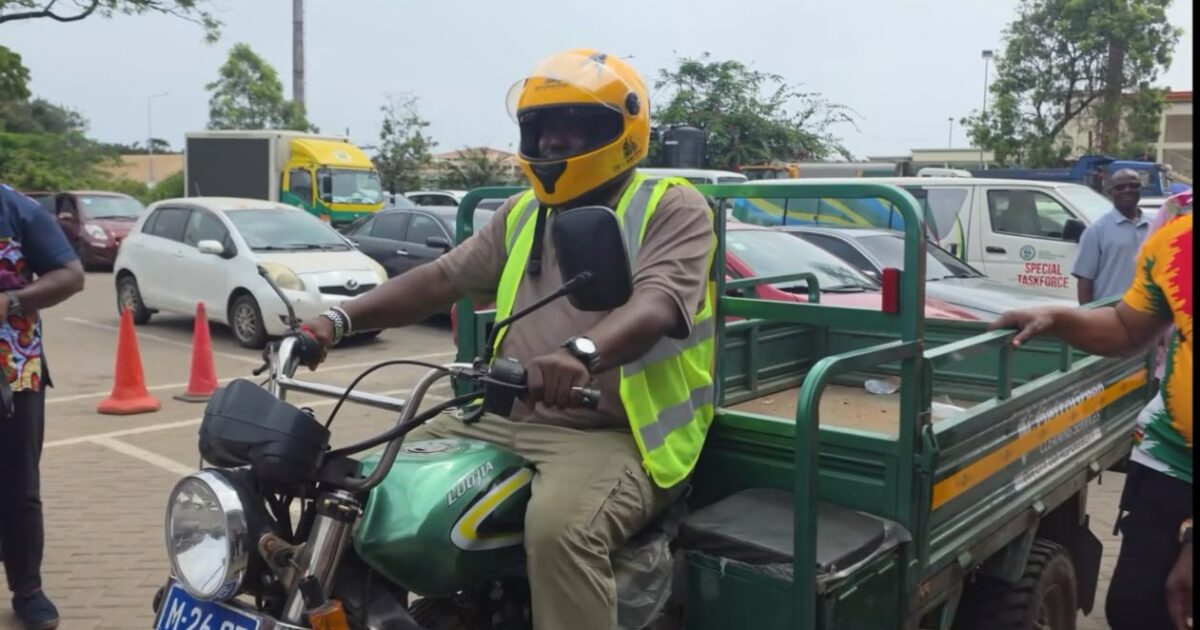
Accra's informal transport sector faces a serious safety crisis, with the Driver and Vehicle Licensing Authority (DVLA) revealing that more than nine out of every ten tricycles—locally known as aboboyaa—are operating without side mirrors, a fundamental safety requirement for road use.
The alarming statistic emerged during a discussion on the Citi Breakfast Show, where Stephen Attu, a DVLA representative, confirmed the widespread non-compliance with vehicle safety regulations. His frank acknowledgment of the problem underscores growing concerns about the roadworthiness of these three-wheeled vehicles that play a crucial role in Accra's last-mile transport network, ferrying thousands of commuters daily.
What the Rules Actually Require
Under Ghana's vehicle regulations, all tricycles must undergo mandatory roadworthiness inspections before being permitted to operate on public roads. The DVLA's technical team assess vehicles for essential safety features, including operational headlamps, adequate tyre conditions, and functional mirrors—all designed to protect both drivers and passengers.
Attu emphasised that tricycles must meet minimum safety criteria comparable to other vehicles. However, the vast gap between regulations and reality suggests enforcement mechanisms are not working effectively. Many aboboyaa operators appear to be either unaware of these requirements or operating without having undergone proper inspections.
Enforcement Challenges and New Technology Solutions
A key constraint on enforcement is jurisdictional. The DVLA can conduct compliance checks, but formal arrests require collaboration with the Motor Traffic and Transport Department (MTTD) of the Ghana Police Service. This two-agency requirement may slow response times and create enforcement gaps.
Additionally, the DVLA has identified a major monitoring obstacle: a significant number of tricycles were registered manually under the previous system, making them difficult to track. This legacy data problem has hindered the Authority's ability to monitor compliance effectively.
To address these challenges, the DVLA is rolling out reforms aimed at modernising vehicle tracking and enforcement. These include a new digital registration system and smart number plates equipped with Radio Frequency Identification (RFID) technology. Such innovations could give authorities real-time visibility into vehicle movements and ownership, strengthening their capacity to enforce safety standards.
Why It Matters for Ghana
The aboboyaa sector is vital to Accra's transport ecosystem, particularly for low-income commuters and those in areas underserved by formal public transport. However, unsafe vehicles pose significant risks. Missing side mirrors compromise visibility and increase accident rates—a public health concern in a city where road traffic injuries are already a leading cause of injury and death.
For passengers and other road users, unroadworthy tricycles create hazards that could be prevented through effective regulation. For operators, vehicles that fail safety standards are more likely to be involved in costly accidents, potentially ending livelihoods. The DVLA's modernisation efforts, if implemented successfully, could transform enforcement by creating a transparent, data-driven system rather than ad-hoc compliance checks.
The challenge ahead is substantial. Mass non-compliance suggests a need not only for stricter enforcement but also for awareness campaigns and, possibly, transition support for operators to upgrade their vehicles. As Accra's population and transport demand continue growing, getting the informal tricycle sector road-safe is essential for public welfare.
Source: The Ghana Report




Comments (0)
Be the first to comment.