
30 mining deaths in Eastern Region this year as pit collapse claims seven more lives
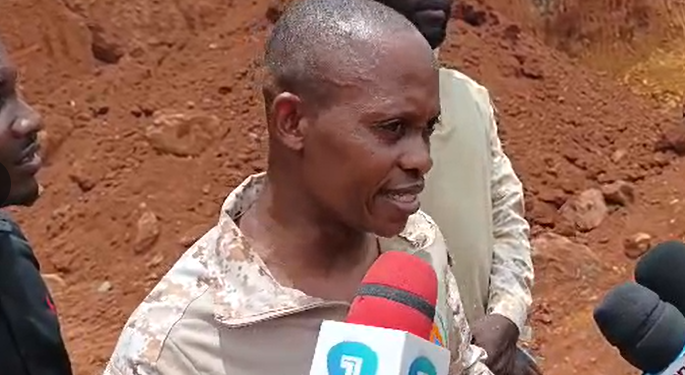
Ghana's mining sector faces a growing safety emergency in the Eastern Region, with the National Disaster Management Organisation reporting that at least 30 people have lost their lives in mining-related accidents since the start of 2026. The latest tragedy underscores the urgent need for stricter oversight and compliance with safety protocols across mining operations.
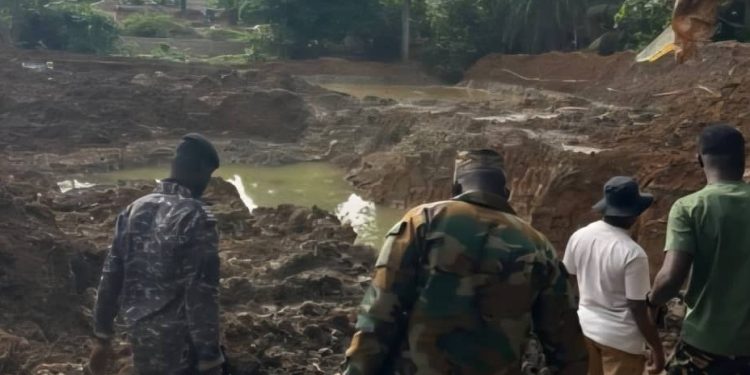
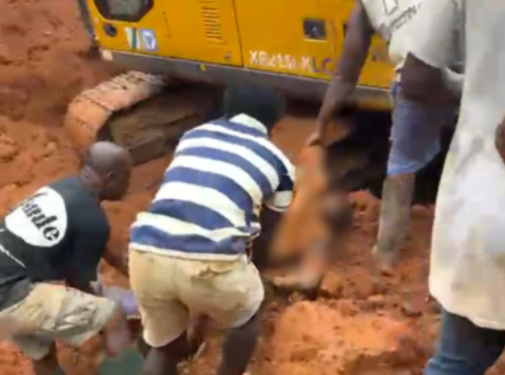
The grim toll includes seven deaths from a recent mining pit collapse at Asaman Tamfoe, according to Emmanuel Konja Tullah, Deputy Eastern Regional NADMO Director in charge of Technical and Disaster Risk Reduction. Speaking to media at the incident scene, Mr Tullah described the pattern of deaths as evidence that current safety measures remain inadequate across mining communities in the region.
What's driving the deaths
Many of the fatalities stem from avoidable hazards, particularly abandoned or improperly secured mining pits. Workers and community members continue to fall into uncovered excavations that pose obvious dangers but remain unprotected. The problem appears systemic, reflecting a broader pattern of poor site management and inadequate oversight by concession owners.
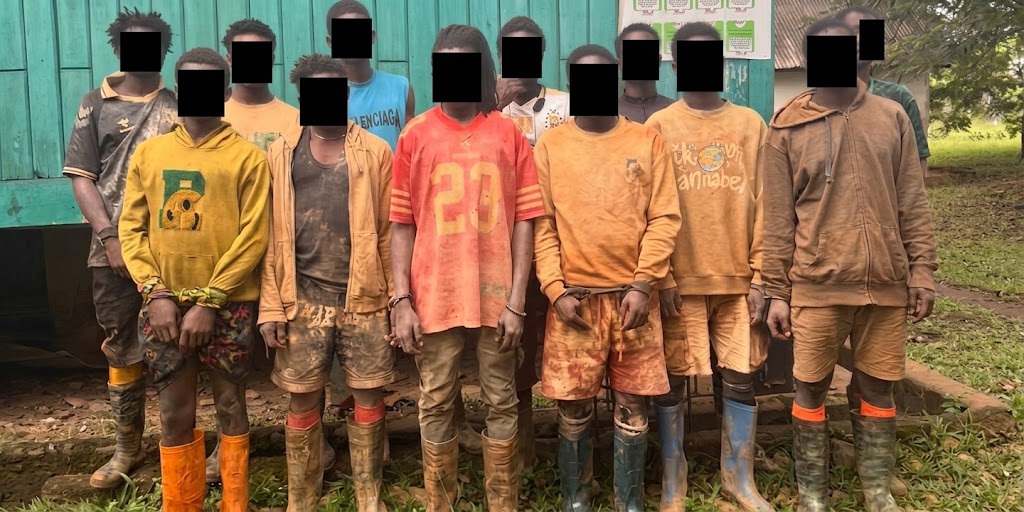
Beyond pit collapses, the deaths encompass various mining-related accidents, including those linked to illegal small-scale mining operations, locally known as galamsey. These unregulated activities often operate without basic safety infrastructure, proper training, or emergency protocols.
Why it matters for Ghana
The Eastern Region's mining sector is vital to Ghana's economy and employs thousands of workers, but the human cost of poor safety practices has become unsustainable. These deaths represent families losing breadwinners and communities losing productive members. Beyond the human tragedy, the safety crisis threatens Ghana's international reputation and could invite increased regulatory scrutiny from global mining oversight bodies.
The incidents also highlight the tension between economic activity and worker protection in Ghana's extractive industries. Unlike formal mining operations run by major international companies, smaller concessions and illegal operations often lack resources or incentive to invest in safety infrastructure. NADMO's intervention suggests government recognition that the problem requires coordinated action across multiple agencies.
What happens next
NADMO has committed to intensifying safety education across mining communities and partnering with concession owners, government agencies, and other stakeholders. The organisation is calling for stronger responsibility from mining concession holders, demanding they enforce safety regulations, properly secure abandoned sites, and improve coordination and security measures on their operations.
However, enforcement remains a challenge. Mr Tullah's appeal for concession owners to take greater responsibility implies that current compliance levels are insufficient. Without meaningful penalties for violations and consistent monitoring, education campaigns may have limited impact.
The repeated calls for action suggest this is not the first time NADMO has raised these concerns. For lasting change, Ghana may need to combine education efforts with stricter enforcement, improved inspection protocols, and possibly higher penalties for operators who fail to meet safety standards. The loss of 30 lives in a single region within months demands more than warnings—it demands measurable change in how mining sites are managed and regulated.
Source: The Ghana Report

Comments (0)
Be the first to comment.