Woanyah Retains NPP Volta Chair Despite Close Contest, Signals Continuity in Rebuilding Push
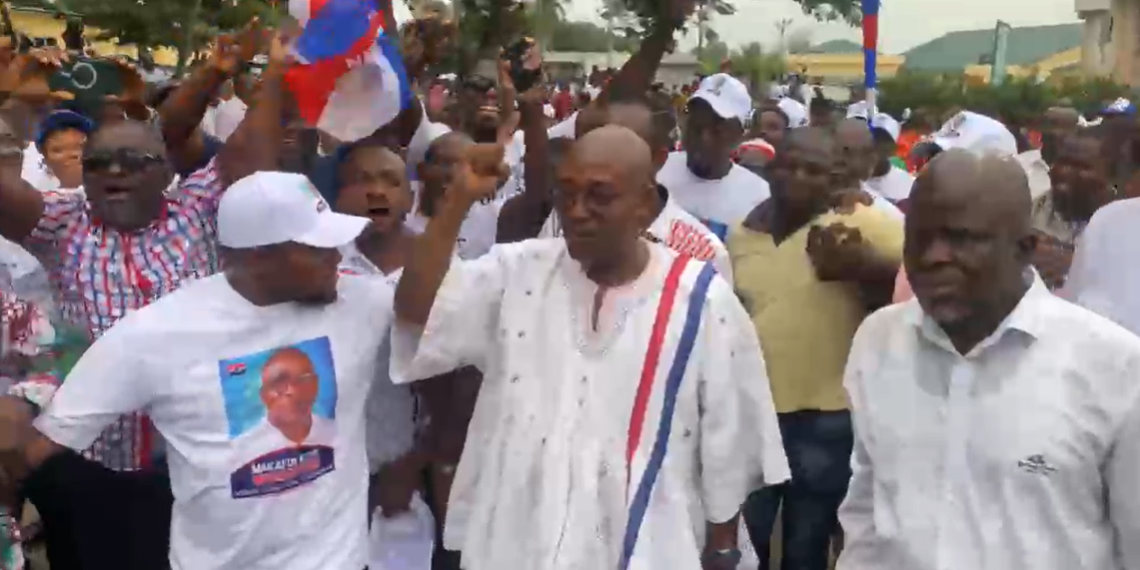
Makafui Kofi Woanyah has successfully retained his position as the New Patriotic Party's Volta Regional Chairman, defeating challenger Joseph Wallace Homenya in the party's regional executive elections. The victory, secured by a narrow margin of just 21 votes, signals the Volta Region NPP membership's preference for continuity as the party navigates a critical period of organisational restructuring and electoral recovery.
According to provisional results, Woanyah garnered 169 votes to Homenya's 148 in what proved to be a closely contested election. The slim victory reflects divisions within the party's regional structures, with both camps presenting distinct visions for the NPP's future in the Volta Region—an area traditionally considered a stronghold but where the party's electoral performance has weakened in recent years.
The Campaign: Two Competing Visions
Woanyah's campaign emphasised his track record in strengthening the NPP's organisational infrastructure across the Volta Region. His supporters highlighted his involvement in developing party structures and coordinating electoral activities, positioning him as the candidate capable of maintaining momentum in ongoing reorganisation efforts.
Homenya's challenge represented a call for fresh direction. His backers argued that the party needed new leadership and alternative strategies to revive its appeal in the region and attract previously disconnected members. They framed the election as an opportunity for renewal, suggesting that different approaches were necessary to reverse the party's declining fortunes ahead of upcoming electoral cycles.
Why It Matters for Ghana
The Volta Region occupies significant strategic importance in Ghana's political landscape. Historically a competitive battleground, regional leadership elections often foreshadow broader party dynamics and signal where internal power lies. The NPP's performance in the Volta Region has direct implications for the party's national electoral strategy.
Woanyah's narrow victory suggests that whilst members valued his administrative experience, there remains considerable appetite for change within party ranks. The close margin indicates that nearly half the voting membership supports alternative leadership—a signal that internal tensions persist. For the broader NPP, this result underscores the necessity of unified messaging and strengthened communication if the party is to rebuild credibility and membership in traditionally competitive regions.
The election also reflects broader challenges facing Ghana's political parties during periods of reorganisation. Both major parties have faced declining membership and weakened structures in certain regions, particularly outside their historical strongholds. Elections like this reveal whether existing leaders retain grassroots confidence or whether members believe organisational shake-ups require new personnel.
Moving Forward
Woanyah's continued leadership means the NPP Volta Region will maintain its current strategic direction during the next electoral cycle. However, the closeness of the result suggests he will need to demonstrate tangible improvements in the party's regional standing to consolidate support among members who backed his opponent.
The party will now focus on leveraging Woanyah's administrative experience whilst addressing the underlying concerns that motivated Homenya's challenge—namely, the need for renewed strategies to expand membership and electoral appeal. Success will likely depend on the extent to which the regional leadership can bridge the divisions exposed by this election and present a unified front to the broader membership.
Source: MyJoyOnline


Comments (0)
Be the first to comment.