COKA sweeps to victory in Ashanti NPP regional chairmanship race
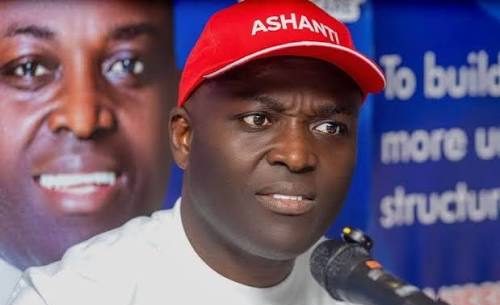
Odeneho Kwaku Appiah, commonly referred to as COKA, has secured the Ashanti Regional Chairmanship of the New Patriotic Party following the party's regional executive elections. The victory marks a significant consolidation of his influence within the NPP's largest stronghold, which has historically been crucial to the party's electoral fortunes.
According to the provisional election results, COKA garnered 663 votes against his principal challenger Henry Kwabena Kokofu, who polled 269 votes. The margin of 394 votes represents a decisive win, reflecting substantial backing from delegates at the regional congress.
What COKA's victory means for party strategy
COKA now assumes leadership of the NPP's operations across Ashanti Region, a role that positions him at the centre of the party's organisational machinery and mobilisation efforts. His responsibilities will include overseeing party structures, coordinating activities, and driving grassroots engagement as the NPP gears up for the 2028 general elections. The regional chairmanship is one of the most influential positions within the party structure, given Ashanti's status as the NPP's traditional heartland and its consistent delivery of substantial parliamentary and presidential votes.
The regional chairman typically plays a pivotal role in candidate selection, campaign coordination, and dispute resolution within the party. COKA's election signals the delegates' confidence in his ability to navigate these complex responsibilities and strengthen the party's competitive position in Ghana's political landscape.
The broader nationwide reorganisation context
COKA's election forms part of a comprehensive nationwide exercise by the NPP to elect new regional executives. This party-wide refresh is designed to revitalise organisational structures and ensure effective coordination ahead of the next general election cycle. Similar elections are being conducted across all regions to install fresh leadership that can mobilise party members and supporters at the grassroots level.
Such internal elections are standard practice for Ghana's major political parties, serving as an opportunity to assess internal democracy, test leadership credentials, and align party machinery with evolving political dynamics. The timing, following the 2024 general elections, indicates the NPP's strategic focus on rebuilding and repositioning for the 2028 contest.
Why it matters for Ghana's political landscape
The Ashanti Region remains central to Ghana's electoral calculations. In recent general elections, Ashanti has delivered overwhelming support to the NPP, making it a cornerstone of the party's electoral strategy. Leadership changes at the regional level often signal shifts in internal party dynamics and can influence how effectively a party mobilises its support base.
COKA's decisive victory suggests a consolidated mandate to push the NPP's agenda in the region and could influence factional alignments within the broader party. Given that regional chairmen often emerge as potential vice-presidential or ministerial candidates in subsequent administrations, such elections also provide insight into emerging leaders within Ghana's dominant political formations.
The results also reflect the health of internal party democracy, demonstrating that the NPP members remain actively engaged in selecting leadership and that contested elections remain a feature of Ghana's political culture, even within ruling parties.
Source: The Ghana Report




Comments (0)
Be the first to comment.