NPP Upper West Leadership Reelected: Chairman White Retains Position in Regional Executive Reshuffle

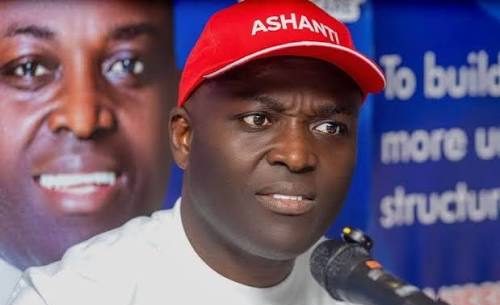
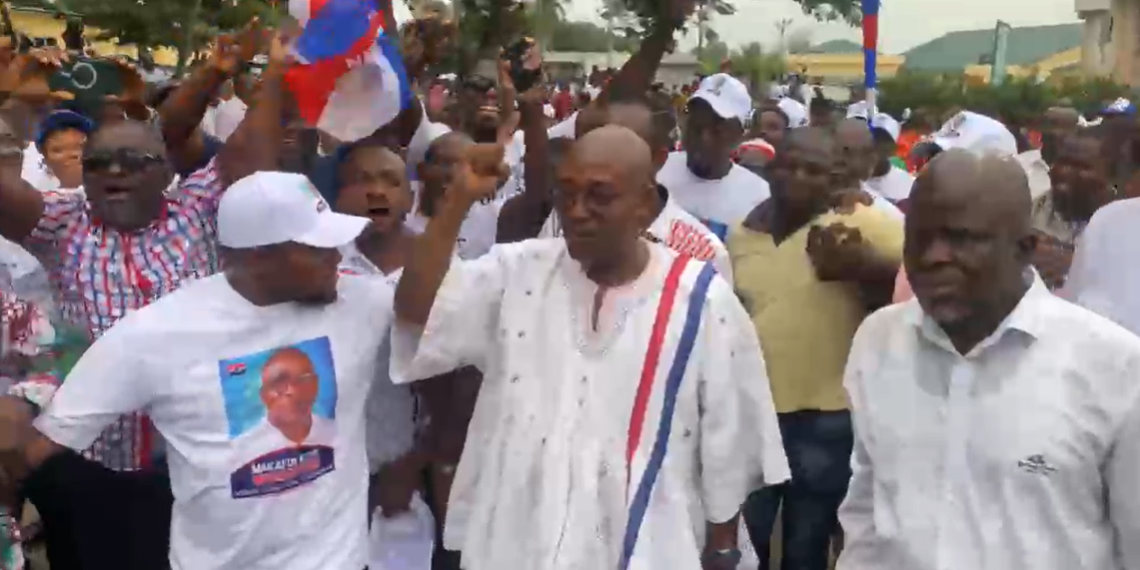
The New Patriotic Party (NPP) Upper West Regional branch has completed its executive elections, with the incumbent chairman, known as "Chairman White", securing retention of his position following competitive voting among party delegates.
In a closely contested election, Chairman White defeated his sole challenger, Alhassan Kanton Braimah Nala, who received 86 votes from the 259 valid ballots cast during the exercise. The results reflect continued confidence from the regional party base in the current leadership's direction.
Strengthening Party Organisation in Upper West
The NPP Upper West Region, which encompasses constituencies across Ghana's northwestern terrain, plays a significant role in the party's broader national strategy. Regional executive elections typically serve as barometers of internal party sentiment and help shape how effectively the party mobilises supporters at grassroots level ahead of future electoral cycles.
The retention of "Chairman White" suggests the regional party membership broadly endorsed the outgoing administration's performance and vision for party development in the region. Such elections, whilst routine administrative processes, often carry implications for resource allocation, candidate selection procedures, and party messaging within the zone.
Why It Matters for Ghana
Regional executive positions within Ghana's major political parties hold considerable influence over party fortunes in local elections and national campaigns. The NPP's strength in Upper West affects the party's competitive position during general and municipal elections, as regional executives oversee campaign strategy, grassroots mobilisation, and candidate vetting within their jurisdictions.
Upper West Region, though less densely populated than southern regions, remains strategically important for parties seeking parliamentary majorities. The region typically produces several MPs and considerable bloc voting during presidential contests. Stable, elected leadership in regional branches helps ensure effective party coordination and prevents factional disputes that could weaken electoral performance.
Additionally, the retention of incumbents versus election of new faces in party structures often signals whether existing strategies are gaining traction or require adjustment. Party members' voting choices reflect their assessment of whether current regional leadership is adequately advocating their interests within the broader NPP structure.
What Happens Next
With the executive elections concluded, the regional leadership team will focus on strengthening party organisation across constituencies within Upper West. Typical priorities include: membership registration and verification, capacity building for party agents, coordination with constituency-level officers, and preparation for upcoming electoral activities.
- Executive positions include not only the chairman but various officers responsible for finance, communications, youth, women, and other functional areas
- Regional executives serve fixed terms and coordinate between national party headquarters and constituent parties at constituency level
- Election outcomes often reflect broader power dynamics within party structures and can influence distribution of party resources and nominations
The NPP will now look to consolidate this leadership team's mandate and deploy them effectively in advancing party objectives across Upper West Region during the coming years.
Source: 3News


Comments (0)
Be the first to comment.