Tumu chiefs enforce road corridor clearance for Ghana-Burkina Faso trade route
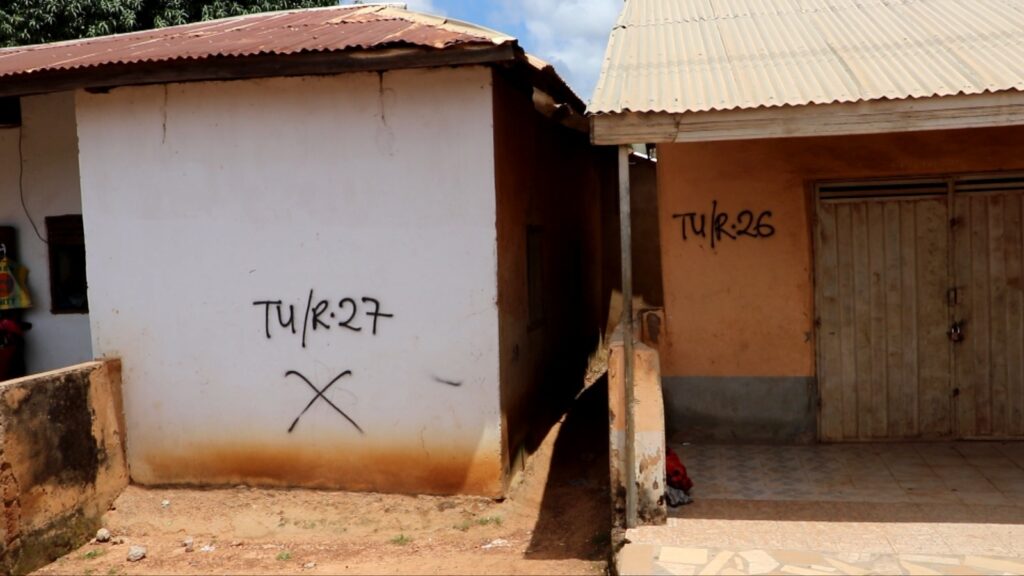
The Tumu Traditional Authority has issued a firm two-week deadline for residents and businesses to clear encroachments along the road corridor linking Tumu to Léo on the Burkina Faso border, clearing the path for a major infrastructure project under the government's "Big Push" initiative.
Godfred Baveru Kanton, Secretary to the Landlord of Tumu, emphasised that the road demarcation has existed for over 80 years and is recognised as an international route. All illegal structures must be dismantled and marked road reservations vacated immediately to enable construction to commence.
Container owners and kiosk operators have been warned to remove belongings before demolition begins to avoid losses. Mr Kanton also issued a pointed caution to political leaders, including the Member of Parliament and Chief Executive, against intervening on behalf of affected persons, despite their earlier efforts to secure the project for the region.
Political and Economic Support for the Corridor
Sissala East Member of Parliament Issah Mohammed Bataglia backed the clearance directive, arguing that the long-term economic gains justify short-term inconvenience for residents. He framed the initiative as part of a broader vision to enhance economic activity in the area and open trade pathways to Burkina Faso.
According to Mr Bataglia, the corridor will boost local commerce, strengthen highway security, and create employment opportunities in transport-related sectors. The MP committed to continued stakeholder engagement to minimise social disruption whilst ensuring contractors face no unnecessary delays.
The Traditional Authority has praised the President's focus on road infrastructure in the Sissala enclave and appealed for Mawums—the contractor handling roads in the region—to retain the contract for the international corridor, citing the company's track record on the Tumu-Sissily road project.
Why This Matters for Ghana
The Tumu-Léo corridor is strategically significant for Ghana's economic integration with Burkina Faso and the broader ECOWAS region. Improved transport links to Burkina Faso could facilitate cross-border trade, reduce logistics costs, and position Ghana as a trade hub for landlocked neighbouring states. The corridor also supports the government's infrastructure ambitions to strengthen regional connectivity.
However, the clearance process highlights tensions between infrastructure development and livelihood protection. While the project promises long-term economic benefits, it displaces informal traders and business operators in the Upper West Region, an area already facing economic challenges. The government and local leaders must balance development imperatives with adequate compensation and livelihood support for affected residents.
School Infrastructure Upgrade Amid Road Works
The redevelopment plans will also affect public institutions in Tumu, including Kanton Senior High School. Headteacher Mahamudu Zakaria Savei described the school's internal road conditions as severe, with erosion rendering some routes impassable to vehicles. The school has not undergone major infrastructure intervention since its construction in the 1960s.
Mr Savei appealed for the government to honour its commitment to rehabilitate the school's internal roads as part of the broader corridor project. He also noted promises to upgrade the school from Category B to Category A status, which could significantly improve the teaching and learning environment. Officials including the Chief Executive, MP, and Roads and Highways Minister have reportedly pledged these upgrades, and the Headteacher urged follow-through on these commitments.
Source: MyJoyOnline


Comments (0)
Be the first to comment.