
Transport Minister reveals he wanted only 5% fare hike — GPRTU's strong bargaining secured 8%

Transport Minister Joseph Bukari Nikpe has lifted the curtain on the behind-the-scenes negotiations that led to Ghana's latest public transport fare increment, revealing that he personally favoured a modest 5% increase before union pressure during talks ultimately pushed the final figure to 8%.
Speaking on TV3's Hot Issues, the Minister described a week-long negotiation process that tested the resolve of both government and transport operators, with neither side willing to give ground easily. "Actually, I wanted 5%, and that delayed the one-week negotiation we were having. But you know they are also strong negotiators, so they were able to move to the 8%," he said.
How the 8% figure was reached
The Ghana Private Road Transport Union (GPRTU) officially increased transport fares by 8%, taking effect from Saturday, 26 September 2026, following a final round of discussions with the Ministry of Transport on Tuesday, 22 September.
What makes the final figure particularly striking is just how wide the gap was between the opening positions of the two sides. According to Samuel Amoah, the Deputy Public Relations Officer of the GPRTU, the union entered negotiations demanding a 30% fare increment — a figure they were unwilling to reduce at the outset.
"We were pushing for 30% and not coming down. But then during the meeting, the Minister also said that the President has given some directive and that hopefully we will have some more reduction on petroleum products," Amoah explained.
The union's argument was straightforward: without a meaningful upward adjustment in fares, drivers and transport operators would struggle to cover rising operational costs, threatening the viability of their livelihoods. The Minister, for his part, acknowledged that while there were discussions about keeping fares at existing levels, the union made clear that some increment was unavoidable to sustain day-to-day operations across the country.
The eventual 8% compromise — well below the union's initial demand but above the government's preferred ceiling — reflects the delicate balancing act between protecting commuters from sharp cost increases and ensuring transport operators can continue functioning.
Why it matters for Ghana
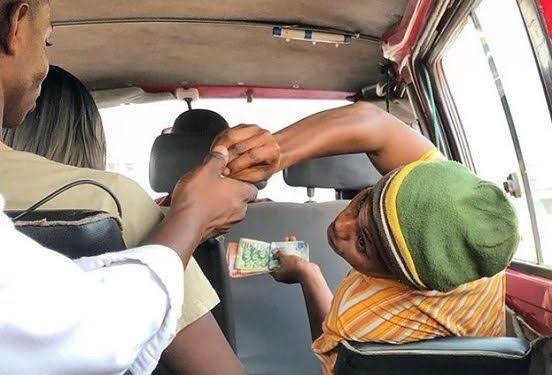
Public transport fares are among the most politically and economically sensitive issues in Ghana. Millions of Ghanaians — particularly those in urban centres like Accra, Kumasi and Takoradi — depend on trotros, buses and shared taxis as their primary means of daily movement. Any increase in fares directly affects household budgets, especially for low- and middle-income earners who already face pressure from the rising cost of living.
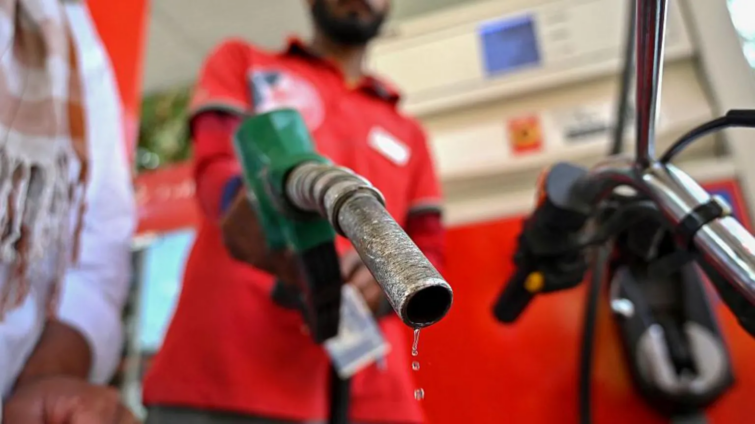
Fare negotiations in Ghana have historically been closely tied to fuel prices, since petroleum costs represent one of the largest operating expenses for transport operators. The Minister's reference to a possible presidential directive on petroleum product reductions suggests government is aware of this linkage and may be exploring ways to ease the burden on both operators and passengers simultaneously.
The gap between the union's opening demand of 30% and the agreed 8% also illustrates how significant the downward pressure from government negotiations can be — and raises questions about what commitments, if any, were made to operators to bring them down from their original position.
What to expect going forward
- Commuters across Ghana are now paying fares adjusted upward by 8% following the GPRTU's implementation of the new rates.
- Transport operators may revisit fare levels if the anticipated fuel price reductions do not materialise, potentially triggering fresh negotiations.
- Civil society groups and commuter advocates are likely to monitor whether the adjustment is applied uniformly or whether some operators attempt to charge beyond the agreed rate.
For now, the 8% increment stands as the outcome of one of the more transparent fare negotiation processes Ghana has seen in recent times, with the Minister himself offering a candid account of how the final figure came to be.
Source: MyJoyOnline

.jpg)

Comments (0)
Be the first to comment.