
Transport Minister Admits He Pushed for 5% Fare Rise Before Operators Negotiated It Up to 8%


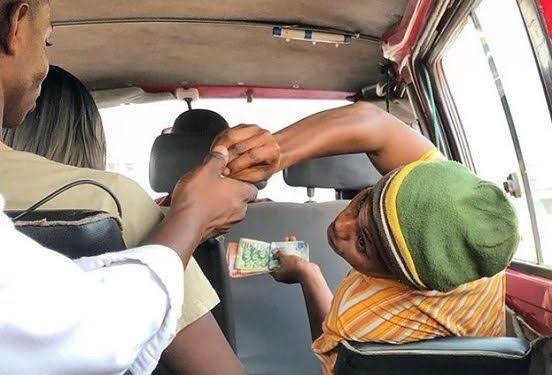
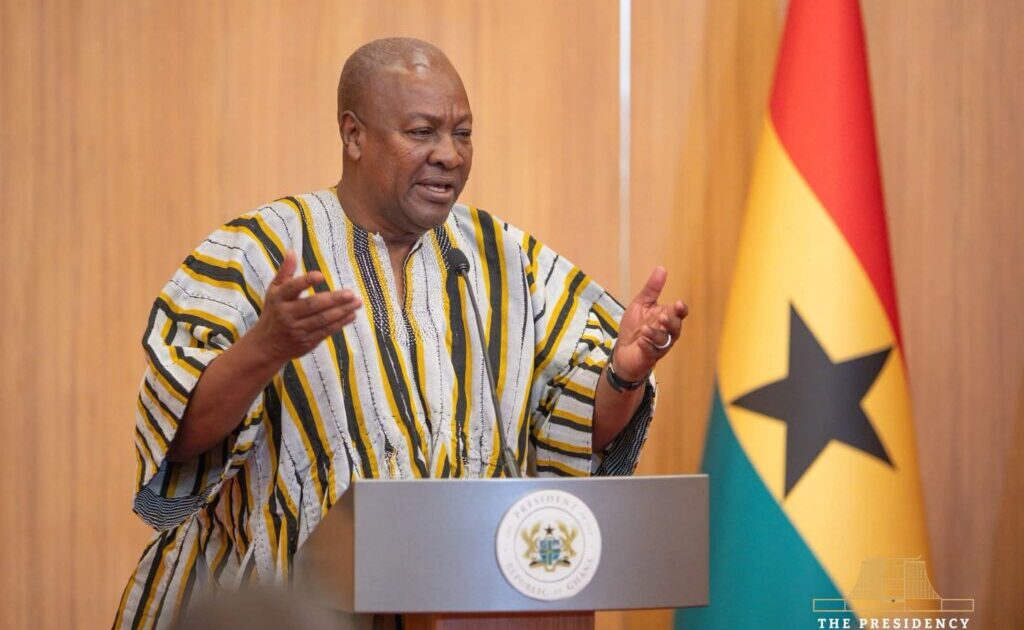
Ghanaians commuting daily on trotros, buses and shared taxis are now paying 8% more in transport fares — and the Minister responsible for the sector has admitted that the final figure was not entirely his idea. Transport Minister Joseph Bukari Nikpe has openly stated that he entered negotiations with transport operators hoping to settle on a 5% increment, but the unions proved to be tough negotiators and pushed the adjustment up to 8%.
How the fare hike came about
Fare adjustments in Ghana are typically the result of negotiations between the government, through the Transport Ministry, and the major transport unions and operator groups. These bodies represent the interests of commercial drivers whose livelihoods are directly tied to fuel prices, spare parts costs, and general operating expenses.
Minister Nikpe's candid admission sheds light on the behind-the-scenes dynamics of this process. Rather than the government simply announcing a fixed increment, there is clearly a bargaining process at play — one in which operators wield considerable influence. The minister acknowledged as much, describing the transport unions as strong negotiators who were able to move the final figure beyond what he had originally envisaged.
The 8% fare hike has since taken effect, meaning passengers travelling on commercial vehicles across the country are absorbing higher costs at a time when many households are already under significant financial pressure.
Why it matters for Ghana
Transport costs sit at the heart of everyday life for millions of Ghanaians. For the majority of urban and peri-urban residents who rely on commercial transport to get to work, school, hospital and market, any upward movement in fares has an immediate and direct impact on their budgets.
An 8% increase — rather than the originally proposed 5% — may appear modest in percentage terms, but on routes already costing several cedis per trip, the cumulative effect over a month can be substantial for low- and middle-income earners. Workers who commute twice daily, five or more days a week, will feel the difference keenly.
Beyond the passenger, the debate also touches on the sustainability of the transport sector itself. Operators have consistently argued that rising fuel prices and the high cost of imported spare parts — worsened by the depreciation of the cedi against major currencies — make fare increases not just desirable but necessary for their businesses to remain viable.
The minister's disclosure also raises questions about the structure of fare-setting in Ghana. When transport operators can successfully negotiate the government's own opening position upward by three percentage points, it points to the significant leverage these unions hold. Critics may argue that passengers — who arguably have the greatest stake in the outcome — have no equivalent seat at the negotiating table.
What happens next
Fare adjustments in Ghana rarely end the conversation. Transport operators have historically returned to the table whenever fuel prices rise sharply or the cedi weakens further. With global oil markets remaining unpredictable and Ghana's economy still on a recovery path supported by the IMF programme, further pressure on transport costs cannot be ruled out.
Consumer and commuter advocacy groups are likely to scrutinise the 8% figure closely and may call for a more transparent, formula-based approach to fare-setting — one that balances the genuine operating costs of drivers with the affordability concerns of passengers. The minister's remarks have, perhaps unintentionally, opened a wider conversation about who really controls Ghana's public transport pricing.
Source: 3News



Comments (0)
Be the first to comment.