Transport fares creeping up on Accra routes despite operators' 30% increase freeze
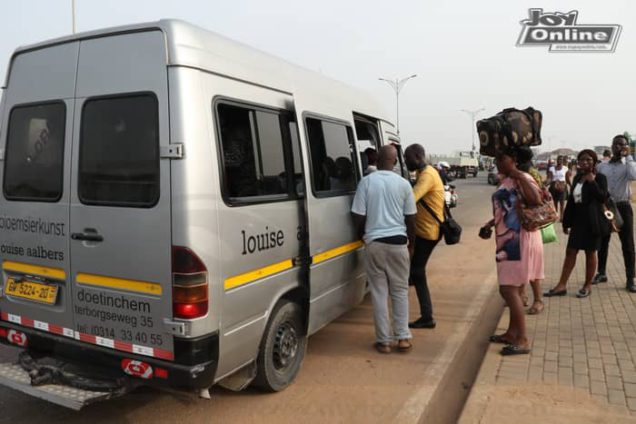
Ghanaian commuters are experiencing transport fare increases on several key routes across the Greater Accra Region, despite transport operators' public commitment to freeze a planned 30% fare adjustment while monitoring fuel prices.
The Ghana Private Road Transport Union (GPRTU) and allied operators suspended the proposed fare hike following government talks, with both parties agreeing to hold off on any new structure pending developments in fuel costs. Yet passengers report being charged more without official announcement or clear justification.
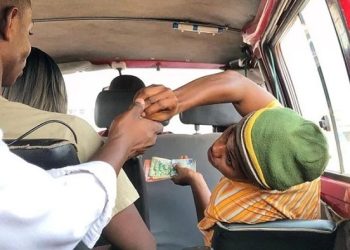
Reports from multiple commuters reveal increases ranging from GH₵1 to GH₵4 per journey. A Fadama route passenger noted their fare rose from GH₵6 to GH₵7, whilst someone travelling from Amasaman to Kaneshie experienced a jump from GH₵10 to GH₵14. Another commuter on the Madina to Spintex route reported an increase from GH₵11 to GH₵14. A Koforidua to Accra passenger also flagged an unannounced hike.
"I didn't hear any announcement of a fare increment," one Amasaman-Kaneshie commuter told JoyNews, expressing frustration at the lack of transparency. Several passengers have called on authorities to intervene and prevent what they describe as arbitrary fare-setting.
The disconnect between operators and commuters
The gap between the official suspension and ground-level increases suggests either that individual operators or drivers are acting independently of union directives, or that informal adjustments are occurring without formal announcement. Transport operators have not yet unveiled a new nationwide fare structure since freezing the 30% proposal.
The lack of communication appears to be compounding commuters' concerns. When official fares do change, transport authorities typically issue public notices. The absence of such announcements in these cases has left passengers confused and suspicious about whether increases are legitimate or exploitative.
Why it matters for Ghana
Transport costs directly impact household budgets for millions of Ghanaians who depend on public tro-tros, shared taxis and long-distance coaches daily. Even modest fare increases accumulate over time—a GH₵4 daily increase multiplies to GH₵80 monthly for regular commuters, a significant burden for lower-income workers.
This situation reflects a broader tension in Ghana's transport sector: operators face genuine cost pressures from fuel prices and vehicle maintenance, but commuters have limited alternatives and little bargaining power. The government's decision to engage operators on fare adjustments was intended to balance these competing interests, yet the apparent circumvention of that agreement undermines trust in both operators and regulatory bodies.
The lack of transparency also risks eroding public confidence in the GPRTU's ability to enforce agreements among its members. If individual operators can raise fares unilaterally without sanction, the suspension becomes meaningless.
What happens next
Authorities must clarify whether these increases are authorised adjustments or unauthorised overcharging. The GPRTU and government need to issue updated guidance and enforce it consistently. Until a new official fare structure is announced with proper public notice, commuters deserve protection from unexpected charges. The transport sector cannot function effectively if passengers cannot trust the prices they will pay.
Source: MyJoyOnline

.jpg)
Comments (0)
Be the first to comment.