
TraffiTech-GH Speed Camera Fines: What You Must Know Before You Pay


Motorists across Ghana are increasingly encountering fines linked to the TraffiTech-GH automated speed camera system, but widespread confusion about the correct amounts, legitimate payment channels, and fraudulent SMS codes is putting drivers at risk of being duped. Here is everything you need to know to stay on the right side of both the law and your wallet.
What the law says about speeding fines
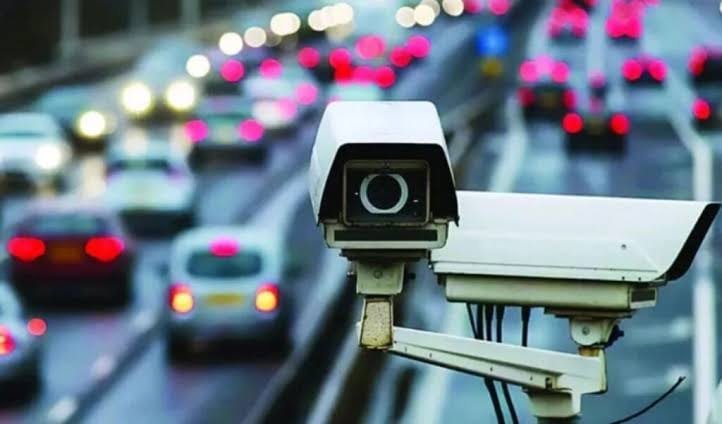
TraffiTech-GH operates under Legislative Instrument 2519, the legal framework governing road traffic offences in Ghana. Under this instrument, speeding fines begin at GH¢240, though the amount can escalate depending on how significantly a driver exceeds the posted speed limit. The system uses automated cameras positioned on major roads and highways to capture offending vehicles, with the data fed directly to enforcement authorities.
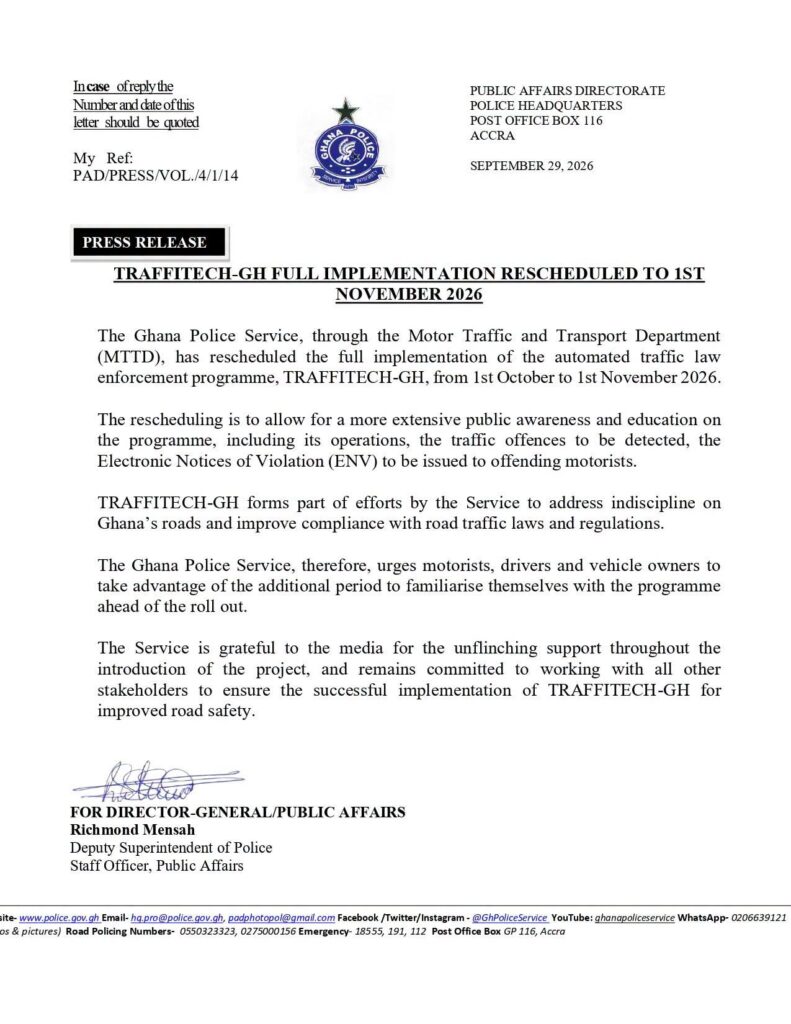
Official notifications of a speeding violation are issued exclusively by the Ghana Police Service Motor Traffic and Transport Department (GPS-MTTD). If you receive an alert purporting to be from any other body — a private company, an unknown government agency, or an unofficial number — treat it with serious suspicion. The GPS-MTTD is the sole authorised body to communicate penalty notices to motorists under this scheme.
The only legitimate ways to pay your fine
Once you have received an official notice from GPS-MTTD, there are only two approved channels through which payment can be made:
- USSD shortcode *710*0# — dialable from any mobile network, this code connects you directly to the official payment platform for traffic fines.
- NIB (National Investment Bank) online portal — payments can also be completed through NIB's designated web portal, which is linked to the official traffic fine collection system.
Drivers are strongly warned not to send money via mobile money to unknown individuals, respond to unsolicited SMS links, or pay cash to anyone claiming to collect fines on behalf of TraffiTech-GH or the MTTD. Scammers have been known to circulate fake shortcodes and fraudulent payment instructions that mimic official communications.
Why this matters for Ghana's road safety and your pocket
Ghana has long grappled with dangerous driving behaviour, particularly speeding on inter-city highways such as the Accra–Kumasi and Accra–Cape Coast corridors, where fatal accidents remain alarmingly frequent. The rollout of automated speed enforcement through TraffiTech-GH represents a significant step toward data-driven road safety — removing the human element from speed checks and, in theory, reducing the opportunity for roadside bribery that has historically undermined traffic law enforcement.
However, any new enforcement technology creates a window of opportunity for fraudsters who exploit public unfamiliarity. The confusion over how fines work, what the legitimate amounts are, and where to pay has already given rise to misinformation circulating on social media and via text message. Ghanaians who are unaware of the correct process may either pay fake fines to scammers or, conversely, ignore genuine notices believing them to be fraudulent — both outcomes being harmful.
Drivers should also be aware that unpaid legitimate fines can have consequences for vehicle registration renewals and may result in further legal proceedings. It is therefore in every motorist's interest to understand the system properly.
If you are uncertain whether a notice you have received is genuine, visit your nearest MTTD office directly or call the Ghana Police Service through official contact numbers published on their verified platforms. Do not act on any payment instruction that arrives via an unsolicited message, and never share personal or financial information in response to such messages.
As Ghana's road infrastructure and enforcement systems continue to modernise, staying informed remains the best protection against both traffic penalties and the scams that follow in their wake.
Source: 3News


Comments (0)
Be the first to comment.