
The Simpsons brings back Apu with Indian-American actor after stereotype row — what changed?
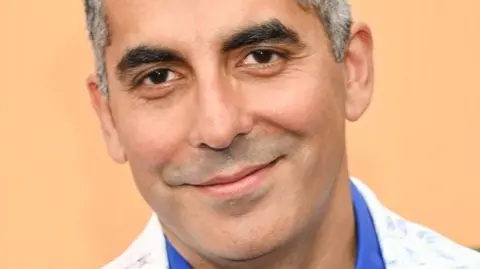

After nearly a decade away from Springfield, Apu Nahasapeemapetilon has made a comeback on The Simpsons with a fresh voice and a storyline that directly addresses the controversy that sidelined him. The beloved shopkeeper, voiced for the first time by India-born actor Sunil Malhotra, reappeared in Sunday's episode titled The Revengening on US network Fox, marking a significant moment for the long-running animated series and its handling of diversity criticism.
Apu's absence has weighed heavily on the show since October 2017, when Indian-American comedian Hari Kondabolu released a documentary called The Problem With Apu. The film argued that the character—a South Asian convenience store clerk—perpetuated harmful stereotypes, particularly through his exaggerated Indian accent and portrayal by white actor Hank Azaria. The criticism sparked broader conversations within the entertainment industry about representation and who should voice minority characters.
How Apu's return addresses the past
Rather than simply bringing the character back unchanged, The Simpsons made his return narrative-driven. In The Revengening, Apu appears as a vengeful figure who has been left for dead and forgotten by Springfield residents. Through his monologue, he directly calls out the town—and by extension, the show's writers and audience—for abandoning him: "I am the man you left for dead. I am the one you pretended never existed." This meta-commentary appears to be the production's way of acknowledging the accusations levelled against the show.
Marge Simpson then delivers an on-screen apology: "Apu, we're so sorry we left you for dead. Believe me, we wanted to do the right thing." Homer Simpson reinforces Apu's importance to the community, listing his contributions and admitting: "We took you for granted. I took you for granted." This explicit acknowledgement differs markedly from the show's 2018 episode that first addressed the controversy, which many viewers felt was insufficient.
Why it matters for Ghana and African audiences
This storyline carries relevance beyond American television. Stereotyping in global entertainment affects how minority groups are perceived worldwide, including Africans and people of African descent. When major international shows perpetuate caricatures—whether of South Asian characters or others—it reinforces limiting narratives globally. Ghana, as a media-consuming nation with significant diaspora communities and growing media literacy, has seen its own creatives grapple with authentic representation versus lazy stereotyping. The Simpsons' decision to actively reckon with past mistakes rather than ignore them sets a precedent for how established productions can evolve.
Sunil Malhotra, who has appeared in Star Wars: Tales of the Jedi and The Legend of Vox Machina, described his involvement as a "deeply collaborative experience." He spoke with showrunner Matt Selman and co-executive producer Cesar Mazariegos about making Apu "culturally appropriate for 2026." Malhotra expressed hope that the approach would resonate with both long-time fans and South Asian viewers who had stopped watching the show.
Broader casting changes
The shift extends beyond Apu's voice actor. Apu's wife Manjula will now be voiced by Janina Gavankar, known for her work on Apple TV's The Morning Show, replacing previous voice actors. These casting changes signal a comprehensive rethinking of how The Simpsons represents its South Asian characters.
Hank Azaria, who voiced Apu for over 30 years, announced his departure from the role in 2020. In a 2021 podcast appearance, he reflected on the impact of his portrayal: "Part of me feels like I need to go around to every single Indian person in this country and personally apologise." His willingness to step aside opened space for authentic representation.
The episode will be available to UK viewers on Disney+ next week, extending the conversation internationally about how beloved cultural institutions address past missteps.
Source: MyJoyOnline


-800x1060.webp)

Comments (0)
Be the first to comment.