Supreme Court rejects Oppong Nkrumah's challenge to judicial operations during legal vacation
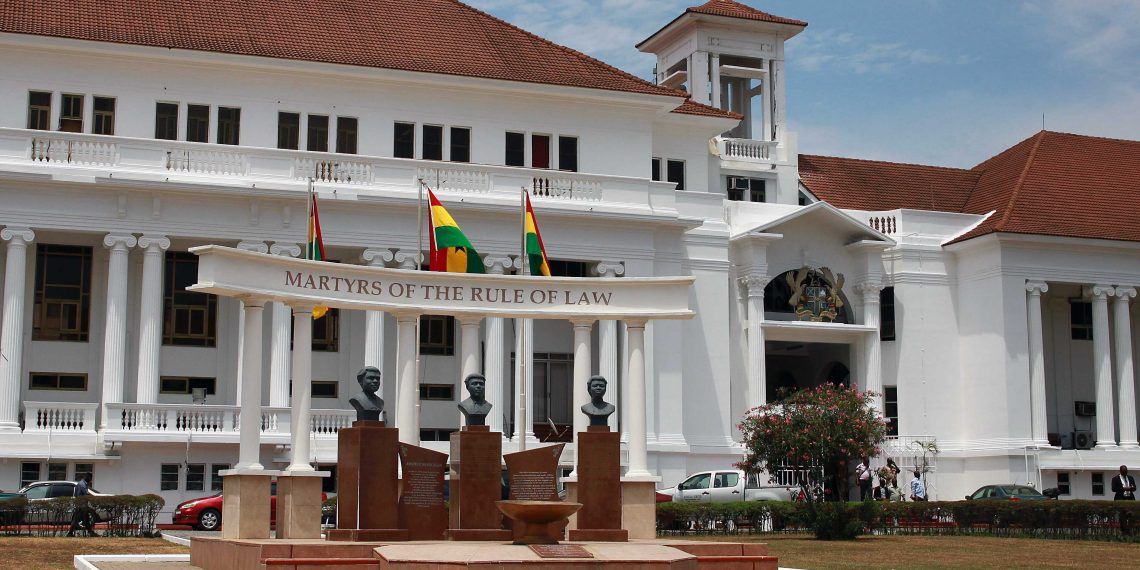
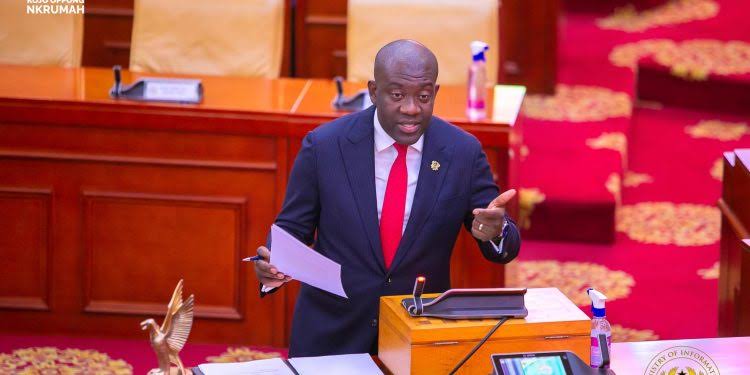
Ghana's Supreme Court has dismissed an injunction application filed by Ofoase Ayirebi Member of Parliament Kojo Oppong Nkrumah that sought to block the Chief Justice from allowing selected judges to preside over criminal matters during the country's legal vacation period.
The ruling marks the end of Oppong Nkrumah's legal challenge against what he argued was an irregular extension of judicial operations outside the scheduled court calendar. The MP had taken the matter to the nation's highest court, but the justices found no grounds to uphold his application for an injunction that would have prevented the arrangement.
What prompted the legal challenge
Oppong Nkrumah's writ centred on his objection to the Chief Justice's decision to permit a selected number of judges to continue hearing criminal cases while the courts were in their official vacation period. The MP contended that this arrangement deviated from established judicial procedures and warranted court intervention.
Legal vacations in Ghana are periods when regular court operations are suspended to allow judicial officers and court staff respite. However, emergency provisions typically allow for urgent matters to be addressed even during these breaks. The question at the heart of Oppong Nkrumah's challenge appeared to concern whether the scope of criminal matters being heard fell within acceptable emergency procedures or represented an overreach by the Chief Justice's office.
Why it matters for Ghana
This case touches on important principles of judicial administration and the balance of power within Ghana's legal system. The Supreme Court's dismissal of the application affirms the Chief Justice's authority to manage judicial operations and determine how courts function during vacation periods.
For ordinary Ghanaians, the ruling has practical implications. It means that criminal cases can continue to be processed during legal vacations where the Chief Justice determines this is necessary, potentially preventing backlogs in the justice system. However, it also validates the executive authority of the Chief Justice in making such determinations without requiring legislative approval or external court orders.
The decision also reflects how the judiciary interprets its own operational boundaries. By rejecting Oppong Nkrumah's challenge, the court effectively ruled that questions about how judges are deployed during vacation periods fall within internal judicial management—an area where the Supreme Court has considerable discretion and is unlikely to second-guess decisions made by the Chief Justice's office.
From a parliamentary perspective, the ruling shows that even Members of Parliament cannot easily challenge judicial administrative decisions through the courts. This reinforces the separation of powers doctrine, though it may also raise questions about oversight mechanisms for judicial management decisions that affect court efficiency and access to justice.
The case underscores ongoing discussions within Ghana's legal community about resource allocation, court efficiency, and the modernisation of judicial operations to reduce case backlogs—a persistent challenge in the country's justice system.
Source: 3News


Comments (0)
Be the first to comment.