Supreme Court Judge Appointments: Forson Junior Backs Removal of Judicial Cap
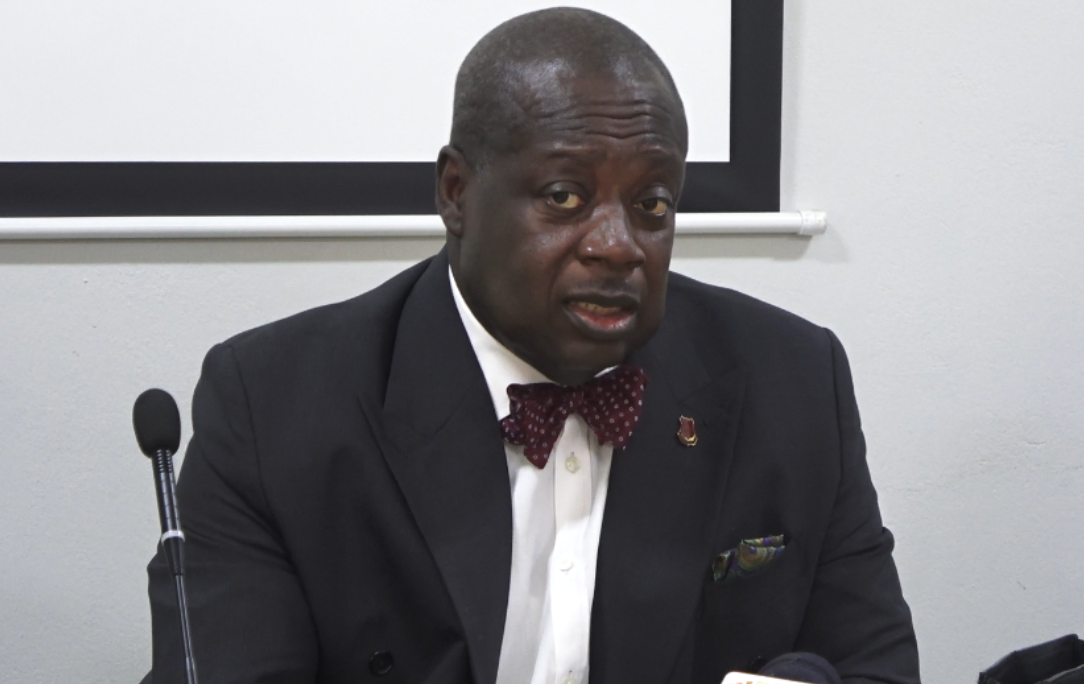
A prominent legal advocate has reignited discussion about Ghana's judicial architecture by calling for the removal of limitations on Supreme Court judge appointments. The position challenges current constraints on the bench and raises important questions about how the country structures its highest court.
The advocate's stance centres on the argument that capping the number of judges at Ghana's apex court may hinder judicial efficiency and the capacity to handle increasing caseloads. This intervention comes as the judiciary continues to grapple with case backlogs and delays that affect access to justice for Ghanaians across the country.
The Judicial Capacity Argument
Proponents of removing caps on judicial appointments argue that Ghana's growing population and increasingly complex legal matters demand a larger bench. With more judges, the Supreme Court could theoretically distribute cases more efficiently, reduce waiting times, and improve the quality of judicial decisions through decreased workload pressures on individual justices.
The current structure of Ghana's judiciary has long been a point of discussion among legal professionals and civil society organisations concerned with access to justice. Courts at all levels have faced significant delays, with some cases taking years to resolve. Additional judicial capacity could potentially address some of these systemic bottlenecks.
Balancing Independence and Accountability
However, any expansion of the bench would require careful consideration of constitutional implications. Ghana's legal framework establishes specific procedures for judicial appointments, and expansion would necessitate either constitutional amendment or legislative action.
Critics of unlimited judge appointments often raise concerns about maintaining judicial independence while ensuring proper oversight and accountability. The quality of judicial appointments becomes increasingly critical as the bench expands, requiring robust vetting processes and adherence to merit-based selection criteria.
Why It Matters for Ghana
This debate directly affects ordinary Ghanaians seeking justice through the courts. A more robust Supreme Court could potentially:
- Reduce case backlogs that currently delay justice for citizens and businesses
- Improve the speed of constitutional and appellate decisions affecting national policy
- Allow judges more time to write considered judgements rather than rushing through heavy caseloads
- Strengthen the judiciary's capacity to handle complex commercial and constitutional matters
Ghana's justice system forms the backbone of democratic governance and the rule of law. Any structural changes to the Supreme Court ripple through the entire legal ecosystem, affecting everything from criminal justice to business disputes. As Ghana continues developing economically and legally, ensuring the judiciary has adequate resources remains crucial for maintaining public confidence in the courts.
The conversation about judicial capacity also reflects broader questions about Ghana's institutional development. As the country tackles complex issues from corruption to commercial disputes, a well-resourced and efficient Supreme Court becomes essential infrastructure for national progress.
Source: 3News




Comments (0)
Be the first to comment.