SSNIT Boosts Pensioner Support with 32% Minimum Pension Increase to GH¢396.58
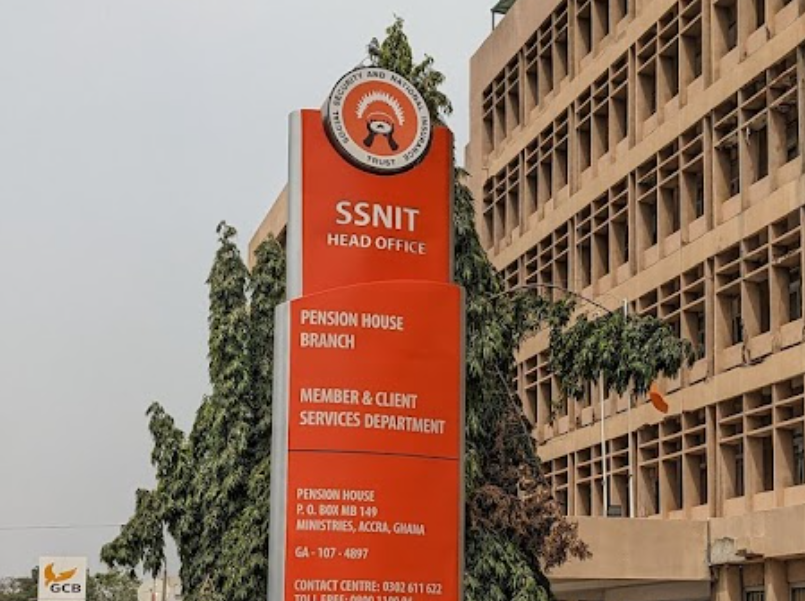
Ghana's Social Security and National Insurance Trust (SSNIT) has significantly strengthened support for the nation's retirees, raising the minimum monthly pension by 32 percent to GH¢396.58 whilst distributing a total of GH¢7.6 billion in benefits during the reporting period, according to findings in the National Pensions Regulatory Authority's (NPRA) 2025 Annual Report.
The substantial increase represents a meaningful response to cost-of-living pressures faced by Ghana's elderly population and underscores the pension fund's commitment to maintaining adequate income replacement for those who have exited the workforce. This adjustment marks one of the most significant pension reviews in recent years, reflecting efforts to preserve pensioners' purchasing power against inflationary pressures.
The Scale of Pension Payouts
The GH¢7.6 billion in annual benefit payments demonstrates the considerable financial commitment SSNIT maintains to retirees across Ghana. This sum underscores the critical role the state pension scheme plays in providing social security to hundreds of thousands of Ghanaians who have contributed throughout their working lives. The distribution reaches pensioners nationwide, forming a crucial safety net for older citizens and their dependents.
The pension increase applies across the board for all SSNIT beneficiaries, ensuring that even those receiving the minimum entitlement benefit from the upward adjustment. This inclusive approach helps prevent poverty amongst Ghana's elderly whilst acknowledging the broader economic challenges households face.
Why This Matters for Ghana
Pension adequacy remains a pressing concern for Ghana's social security system. With many Ghanaians in the informal sector lacking robust retirement savings, the state pension scheme provides essential income security for millions. The 32 percent increase signals the government's recognition that previous pension levels were insufficient to maintain dignity and cover basic living costs in an increasingly expensive economic environment.
However, the significance extends beyond individual retirees. Adequate pensions support broader economic stability by maintaining consumer demand amongst older citizens whilst reducing pressure on younger family members to shoulder the full financial burden of elderly care. This multiplier effect strengthens communities and reduces poverty transmission across generations.
The NPRA's reporting of these figures also reflects the regulatory authority's role in ensuring transparency and accountability within Ghana's pension system. Public disclosure of benefit payments and pension adjustments builds confidence in the institutional integrity of SSNIT and demonstrates progress on governance fronts.
Looking Forward
The pension increase raises questions about the long-term sustainability of SSNIT's benefit structure. As Ghana's population ages and life expectancy increases, pension funds face mounting pressure to balance adequate replacement rates with fiscal viability. Future adjustments will need to consider demographic trends, contribution rates and overall economic capacity.
The announcement also comes amid ongoing discussions about Ghana's multi-pillar pension system, which combines mandatory state provision through SSNIT with supplementary private pensions. The performance of the state scheme remains central to retirement security for most Ghanaians, particularly those without access to employer-sponsored plans.
Source: 3News



Comments (0)
Be the first to comment.