Spain's EU Crisis: How a Single Border Breach Exposed Deep Fractures in European Migration Policy
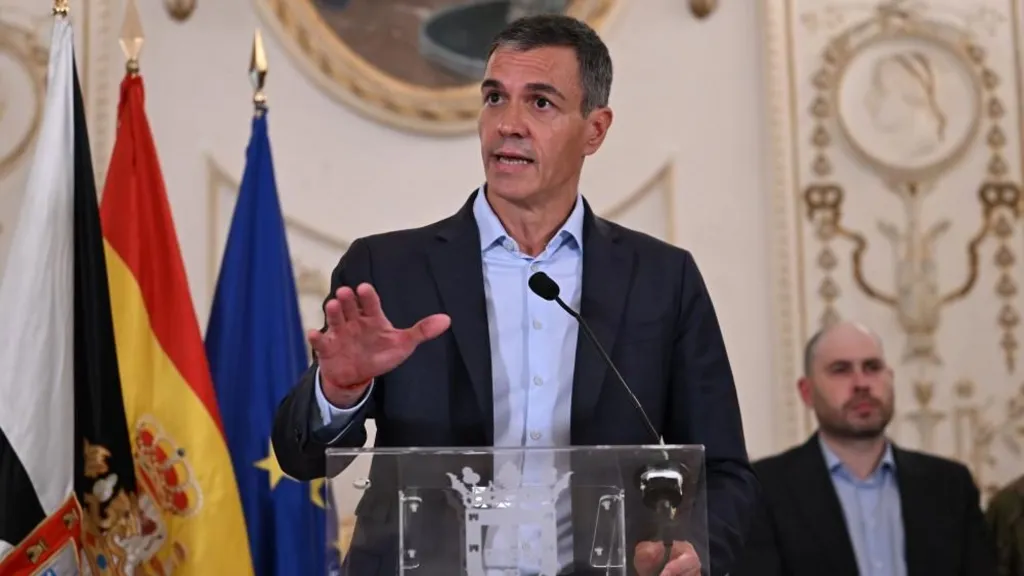
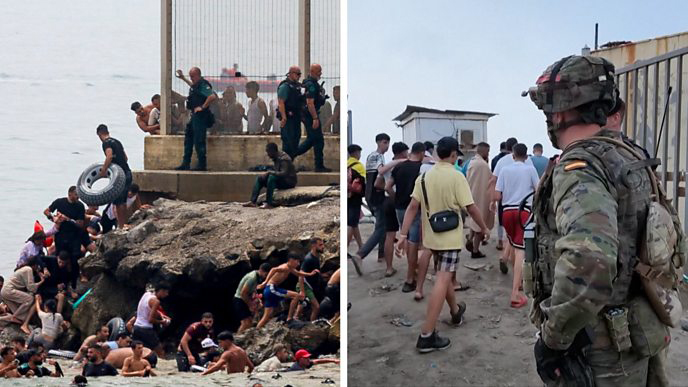
A dramatic influx of approximately 60,000 migrants into Spain's North African enclave of Ceuta has triggered an unprecedented diplomatic crisis within the European Union, exposing fundamental disagreements over how member states should handle migration challenges.
The breach occurred on 30 July, when border controls in Ceuta apparently collapsed, allowing a mass crossing from Morocco. Spanish authorities have since regained control, with nearly all arrivals returning and at least 67 deaths reported during the chaos. Yet the political fallout continues to reverberate across European capitals, with Spain's Prime Minister Pedro Sánchez now accusing fellow EU nations of responding with "selfish, polarising and unlawful" measures rather than offering solidarity.
The EU's Fractured Response
Italy's decision to temporarily suspend the Schengen border-free agreement with Spain has triggered a domino effect of border-related actions across Europe. Prime Minister Giorgia Meloni framed the incident as a security threat, while Finland, Denmark, and Czech Republic signalled support for similar suspensions. France has tightened border checks and increased police presence, and Portugal is considering reinforcing its frontier with Spain.
This collective response represents a stark departure from the EU's founding principle of unrestricted movement within the bloc. The Schengen Area, spanning 29 countries, has long been viewed as a cornerstone of European integration, yet Spain's allies appear willing to weaponise it in response to a migration crisis they perceive as Madrid's failure.
Spain's government, meanwhile, argues it restored full control within 48 hours and prevented any unauthorised onward movement to mainland Europe. EU officials have confirmed that no migrants successfully crossed into the broader European Union.
Why It Matters for Ghana and West Africa
Ghana and other West African nations watch this crisis with particular concern. The incident underscores how European states respond to pressure from migration flows, and these responses often directly affect West African citizens attempting to reach Europe through Morocco or other routes.
The political backlash in Europe—with nationalist leaders like Italy's Meloni gaining credibility through hardline stances—typically hardens migration policies across the continent. This makes irregular routes more dangerous and pushes migrants towards smuggling networks. For Ghanaians already in transit or considering migration, the rising hostility in Europe signals increasingly difficult conditions ahead.
Morocco, a key transit country for West African migrants, faces pressure from European governments to "take back illegal migrants immediately," as Germany's Friedrich Merz demanded. This could intensify cooperation between Moroccan and European authorities to intercept and return West African migrants, including Ghanaians.
The broader implication is that migration crises in one part of the Mediterranean rapidly become leverage points for European nations to justify stricter border enforcement and reduced asylum access—policies that ultimately affect millions of potential migrants from Africa.
The Root Cause: A Court Ruling Gone Viral
Spanish authorities have traced the surge to a June Supreme Court ruling that migrants stopped at sea could not be summarily returned to Morocco without due process. Sánchez described how trafficking gangs seized on this interpretation, which "spread like wildfire."
This explanation highlights a paradox: when judicial safeguards are put in place to protect migrants' rights, criminal networks exploit them for profit. Spain's government has blamed these trafficking mafias for orchestrating the crossing, framing it as a "violation of Spain's territorial integrity" rather than a spontaneous migration event.
The incident has also drawn criticism from the United States, where President Donald Trump called it a "catastrophe" and suggested it resembled an "invasion." Such rhetoric, echoing European populist leaders, further legitimises the hardline stance that Spain now faces from its EU partners.
As Spain deploys additional troops, police, and vessels to both Ceuta and Melilla, the underlying question remains: can Europe develop a coordinated migration policy, or will individual nations continue to respond with unilateral border measures that fracture the union?
Source: MyJoyOnline

Comments (0)
Be the first to comment.