
Ghana and West Africa step closer to landmark $25bn Nigeria-Morocco gas pipeline
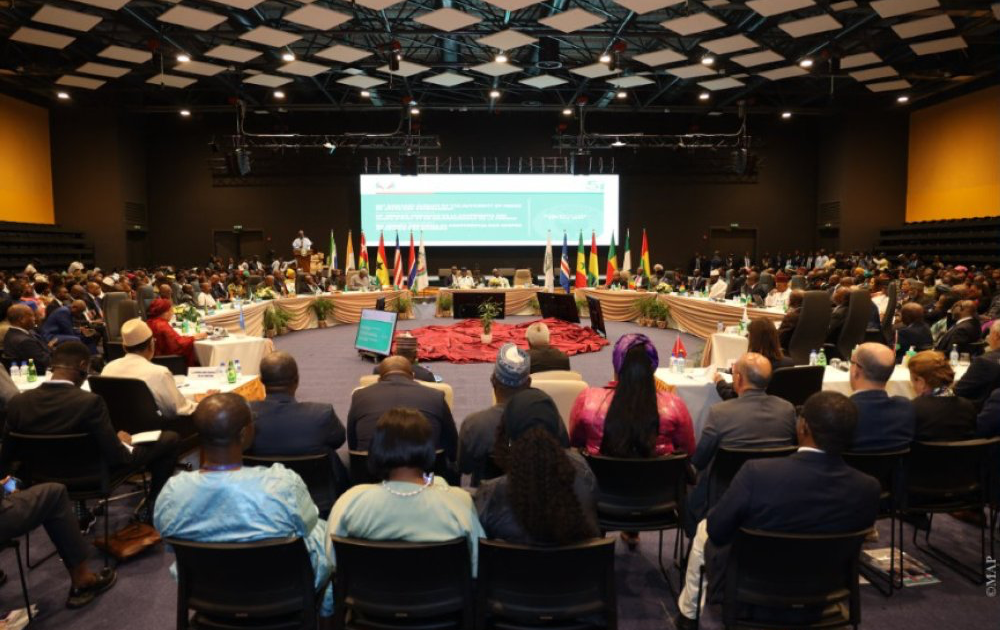

West African leaders have moved a transformative energy project significantly closer to reality, with ECOWAS formally endorsing the legal and institutional framework for the Nigeria–Morocco African Atlantic Gas Pipeline during a summit in Freetown, Sierra Leone this week. The agreement represents a pivotal moment in continental integration efforts, positioning the 6,800-kilometre pipeline as more than a bilateral venture between two nations—it is now a genuinely regional undertaking with implications for energy security across West Africa.
The pipeline will transport Nigerian natural gas along Africa's Atlantic coastline to Morocco, with capacity to supply European markets through existing connections. The $25 billion project, initially conceived when Morocco's King Mohammed VI met former Nigerian President Muhammadu Buhari in 2016, is being developed jointly by Morocco's National Office of Hydrocarbons and Mines (ONHYM) and Nigeria's National Petroleum Company Limited (NNPC).
How the pipeline will work
Once completed, the African Atlantic Gas Pipeline will traverse 13 African countries, eventually connecting to Morocco's existing Maghreb–Europe Gas Pipeline network. Projections indicate the pipeline will transport approximately 30 billion cubic metres of natural gas annually. Of this capacity, up to 15 billion cubic metres would supply Morocco and European markets, whilst the remainder would address energy deficits in participating West African nations.
The Freetown endorsement established critical governance structures now under development. A dedicated project company will be based in Casablanca, whilst a Pipeline Higher Authority will be headquartered in Abuja. These bodies will manage operational, regulatory and financial oversight, coordinating with participating governments, energy firms, investors and international financial institutions. The next phase of negotiations will involve Morocco, Nigeria and Mauritania—the latter being crucial to the route despite not being an ECOWAS member.
Why it matters for Ghana
For Ghana and neighbouring West African nations, this pipeline represents a potential game-changer for energy independence and industrial development. Many countries across the region continue grappling with chronic power shortages and elevated electricity production costs, hampering both household access and industrial competitiveness. Access to reliable natural gas supplies could fundamentally transform energy generation capacity, reduce dependency on costly diesel and heavy fuel oil imports, and create conditions for sustainable economic growth.
The project also positions West Africa within a broader continental infrastructure narrative. Beyond energy transportation, officials are promoting the pipeline as a regional development corridor that could spur industrial investment, job creation and economic cooperation. Countries with domestic gas resources may also be incentivised to develop these assets for integration into the network, potentially unlocking additional revenue streams and foreign direct investment.
For Ghana specifically, participation in this framework signals opportunities for improved electricity generation reliability, reduced energy costs for businesses and households, and enhanced industrial competitiveness in sectors reliant on stable power supplies. The project also aligns with Africa's broader push toward energy security and reducing reliance on volatile global oil and gas markets.
The road ahead
Despite political support, substantial challenges remain. Project partners must now intensify efforts to secure financing following completion of technical, environmental and engineering studies. Construction timelines depend on finalising regulatory and financial arrangements—a complex undertaking involving multiple governments and international institutions.
The Freetown endorsement marks a critical institutional turning point, converting a bilateral initiative into a multilateral African integration project. However, observers note that translating political commitment into concrete financing, construction and sustainable long-term operation of what could become Africa's largest energy infrastructure project will test the region's capacity for coordinated development planning.
For Ghana and West Africa, success would represent a transformative investment in regional stability and shared prosperity.
Source: MyJoyOnline



Comments (0)
Be the first to comment.