
Nigeria's farmer-herder violence escalates: what Ghanaians need to know about the regional security crisis
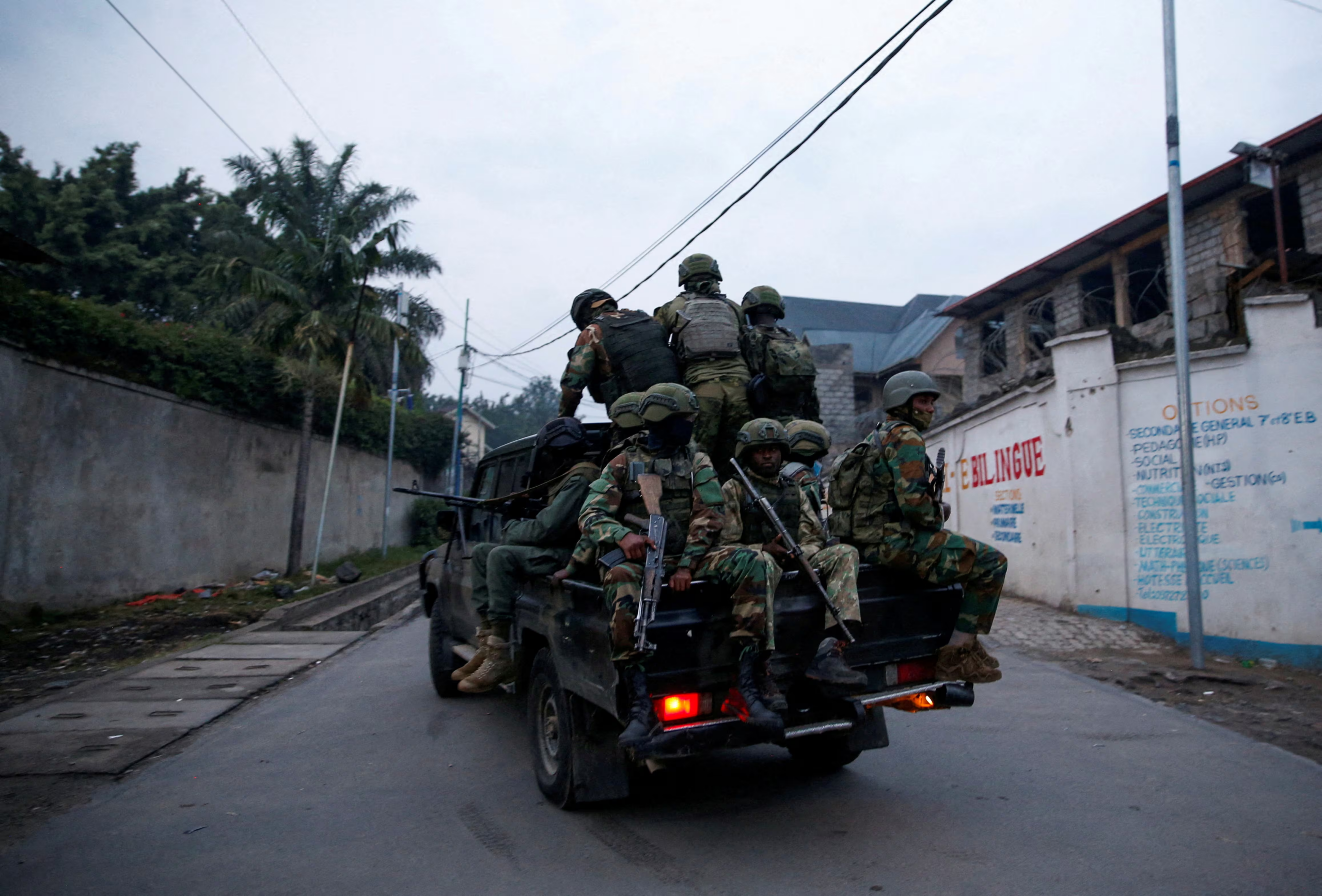

A violent attack in Nigeria's Benue state has left at least 14 people dead and several others wounded, marking the latest escalation in a long-running conflict between farming and herding communities across Nigeria's central belt. The incident, which took place early Tuesday in Efeyi village in the Otukpo area, underscores a persistent security crisis that has claimed hundreds of lives in recent years and carries implications for stability across West Africa, including neighbouring Ghana.
According to Otukpo council chairman Maxwell Ogiri, gunmen launched an unprovoked assault on the village. Local officials have attributed the attack to Fulani militia groups, pointing to a pattern of similar incidents reported in surrounding communities in recent days. However, Fulani herding associations have consistently denied involvement in such attacks in the past, and no group has claimed responsibility for Tuesday's violence.
The farmer-herder conflict explained
The violence in Benue state is rooted in fundamental resource competition. As climate change drives desertification in Nigeria's northern regions, pastoralist communities have increasingly pushed southward with their cattle herds in search of grazing land and water. This migration brings them into direct conflict with farming communities whose crops are damaged by livestock, triggering cycles of retaliation. The divide is further complicated by religious and ethnic lines: herders are predominantly Fulani Muslims from the north, while farmers are mostly Christian communities from the south and central belt.
Benue state has become particularly notorious as a flashpoint. The state's agricultural wealth and water resources make it attractive to herders, yet its dense farming population means clashes are frequent and deadly. Over recent years, hundreds have been killed in similar attacks, with entire villages sometimes abandoned as residents flee to safer areas.
Why it matters for Ghana and West Africa
Nigeria's instability has profound ripple effects across West Africa. As the region's largest economy and most populous nation, security crises in Nigeria inevitably influence neighbouring countries, including Ghana. The farmer-herder violence has contributed to broader displacement, refugee movements, and the spread of armed groups that operate across borders. Some armed factions have ties to larger militant networks operating in the Sahel region, where terrorism linked to extremist groups has destabilised multiple countries.
For Ghana specifically, Nigerian instability can trigger refugee influxes, strain border security, and create opportunities for transnational criminal and militant networks to operate more freely. Additionally, the economic disruption caused by Nigeria's internal conflicts affects the entire West African bloc through reduced trade, investment uncertainty, and regional cooperation challenges. The Economic Community of West African States (ECOWAS), of which both Ghana and Nigeria are members, depends on stability within its largest member state.
The Benue violence also highlights a wider challenge facing the Sahel and West Africa: climate-driven resource scarcity combined with weak conflict resolution mechanisms. As environmental pressures increase across the region, similar tensions could intensify in other countries, including areas near Ghana's northern border.
Response and investigations
Benue police spokesperson Udeme Edet confirmed that officers have been deployed to the affected area and that an investigation into the attack is underway. However, security responses have historically struggled to prevent recurring incidents, partly due to the vast geographic area involved and the difficulty of policing dispersed rural communities.
The violence underscores the urgent need for regional dialogue, conflict resolution mechanisms, and climate adaptation strategies that address the root causes of farmer-herder tensions rather than treating only symptoms through security operations alone.
Source: MyJoyOnline





Comments (0)
Be the first to comment.