Spain Clashes with EU Over Ceuta Migration Crisis as Schengen Threatens to Fracture
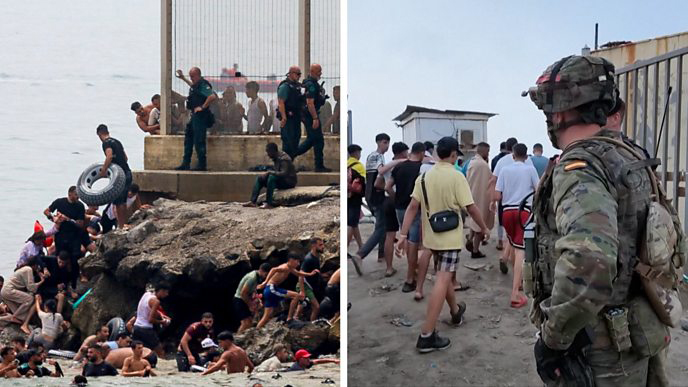
A major diplomatic row has erupted within the European Union following a mass migration incident at Spain's North African enclave of Ceuta, with several member states suspending open-border arrangements and Spain accusing its neighbours of "selfish and unlawful" responses to the crisis.
On 30 July, approximately 60,000 migrants from Morocco crossed into Ceuta in a largely uncontrolled surge that overwhelmed Spanish border authorities. Spanish officials now report that almost all migrants have been returned, though the Interior Minister confirmed at least 67 deaths during the crossings. However, the incident has exposed deep fractures within Europe's migration policy framework and triggered retaliatory border measures from multiple countries.
The Schengen System Under Strain
Italy's Prime Minister Giorgia Meloni responded swiftly by temporarily suspending the Schengen agreement—the EU's cornerstone open-border system spanning 29 countries—between Italy and Spain. Meloni characterised the crossings as a threat to national security and described the scenes as "shocking." Her move has cascaded into broader European fragmentation, with Finland and Denmark backing the suspension, while Czech Prime Minister Andrej Babiš called for temporarily revoking Spain's Schengen membership altogether.
France has tightened border checks with Spain and increased police presence, while Portugal's PM Luis Montenegro indicated he is considering similar reinforcements. These actions underscore how migration crises can rapidly weaponise the Schengen system—designed to guarantee freedom of movement—into a tool for member states seeking political cover against perceived security threats.
Spain's Defence and the European Response
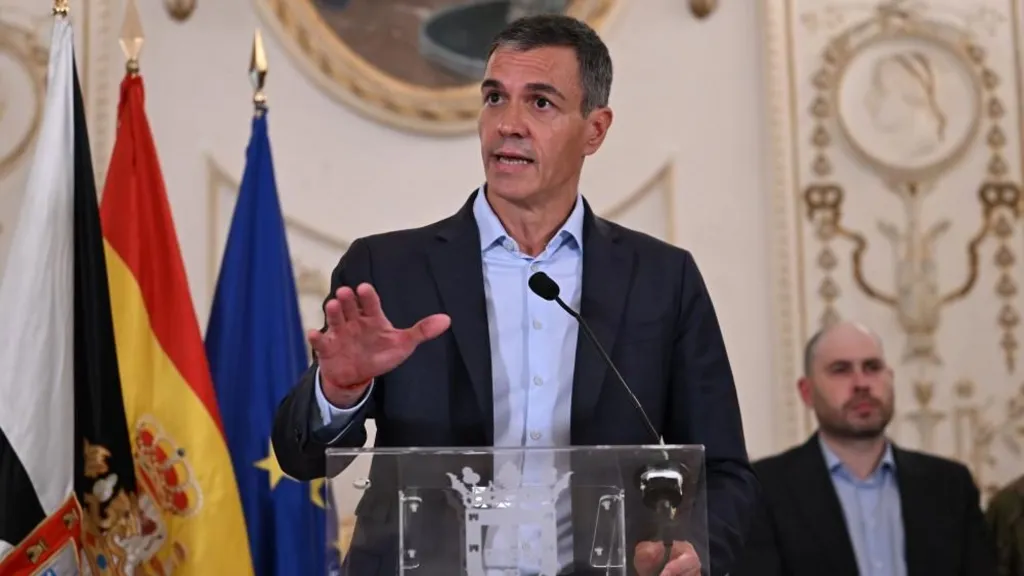
Spanish Prime Minister Pedro Sánchez has mounted a vigorous defence, emphasising that his government restored full border control within 48 hours and prevented any onward movement into continental Europe. In a pointed letter to European Commission President Ursula von der Leyen, Sánchez accused certain EU governments of being "driven by prejudice, fake news, ignorance, or political interest," and stressed that Ceuta itself falls outside the Schengen zone—meaning migrants technically did not breach the agreement.
Spain's Interior Minister Fernando Grande-Marlaska reported that the situation in Ceuta had largely normalised, with businesses reopening and almost all migrants having left. Spain has begun installing inflatable maritime barriers to prevent future crossings, a measure alluding to the broader desperation within the bloc to manage migration independently.
The response from most EU states has been mixed. Twenty-two of the bloc's 27 members called for emergency talks, framing their position as supportive of Spain while seeking coordinated EU instruments to bolster border security. Von der Leyen described the images as "unacceptable," whilst German Chancellor Friedrich Merz expressed support for Spain's resistance to illegal migration and demanded Morocco strengthen its controls.
Why It Matters for Ghana
This crisis illuminates critical pressures shaping migration patterns from West Africa. Ghana, along with other Sahel and coastal nations, remains a significant source of migrants attempting to reach Europe via North Africa. The increasing militarisation of EU borders—including maritime barriers and Schengen suspensions—will likely intensify routes through North African intermediaries and increase risks for migrants.
Moreover, the EU's fractured response signals weakening institutional cohesion on migration management. This may embolden North African nations like Morocco to use migration flows as leverage in bilateral negotiations, potentially affecting Ghanaian migrants transiting those routes. For Ghana's government, the Ceuta incident underscores the urgency of addressing economic drivers of emigration and strengthening bilateral cooperation with transit countries to protect citizens attempting migration.
EU interior ministers are scheduled to meet by video conference on Tuesday to develop a coordinated response, though the political polarisation evident thus far suggests little consensus will emerge quickly.
Source: The Ghana Report

Comments (0)
Be the first to comment.