
Sexual abuse must go to police, not elders – Ghana needs stronger protections, says tourism chief


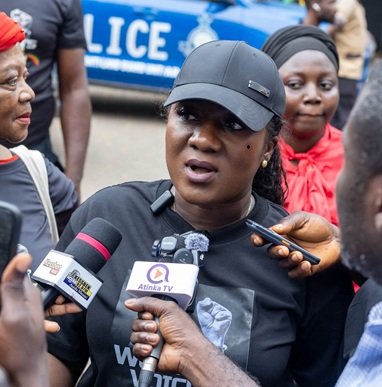
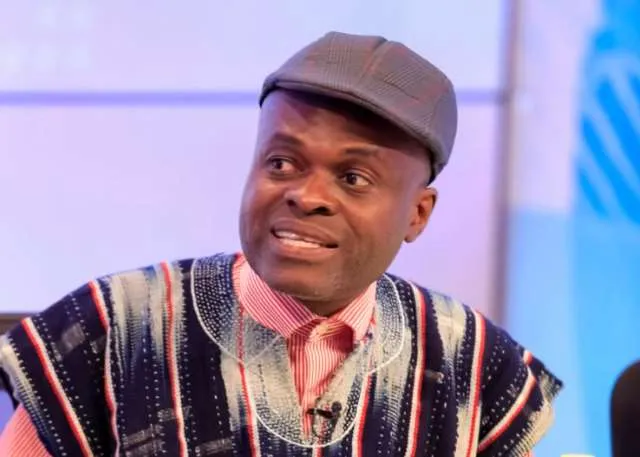
Ghana's approach to sexual abuse allegations must fundamentally shift from informal community resolution to formal police investigation, according to Felicity Nelson, Deputy Chief Executive Officer of the Ghana Tourism Development Company. Speaking on JoyNews' Newsfile on Saturday, Ms Nelson called for an end to the practice of traditional leaders, religious figures and elders brokering private settlements in sexual abuse cases, a practice she believes undermines accountability and perpetrator responsibility.
Her intervention comes amid heightened concern over sexual abuse allegations at Obuasi Senior High Technical School, which has intensified scrutiny on how educational institutions and broader society handle such cases. The senior executive argued that when chiefs, queen mothers, pastors and imams intercede on behalf of accused perpetrators, they effectively shield offenders from legal consequences and deny justice to victims.
"We have to look culturally as Ghanaians and say this idea that when someone commits a crime, especially of a sexual nature, where elders, church leaders, imams, chiefs and queen mothers go and beg on their behalf needs to stop," Ms Nelson stated. She suggested that normalising such interventions has become so entrenched that criminalising the practice might be necessary to break the cycle.
The scale of sexual abuse in Ghana
The scope of sexual abuse in Ghana is far more alarming than many realise. According to UNICEF data cited by Ms Nelson, approximately 22 per cent of adolescent girls have experienced some form of sexual abuse. Even more troubling, separate reports indicate that 51 per cent of girls in secondary schools experienced sexual abuse between 2019 and 2021.
These figures suggest the problem is not isolated to a single school or region but systemic and widespread. Ms Nelson emphasised that the Obuasi case, whilst serious, is merely a visible symptom of a deeper national crisis. Many incidents remain unreported, either because victims fear reprisal or cultural norms discourage disclosure to authorities.
Why this matters for Ghana
The tension between traditional justice systems and formal law enforcement reflects a broader challenge facing Ghana's child protection framework. While community-based dispute resolution has deep cultural roots and can offer speed and accessibility, sexual abuse cases demand rigorous investigation, forensic evidence and prosecution to protect future victims and deter offenders.
Ms Nelson's call for priority support to victims is equally critical. She advocated for comprehensive psychological, emotional and medical care for alleged survivors, recognising that trauma extends far beyond the immediate incident. Without structured support systems in schools, hospitals and communities, many survivors are left to manage lasting harm alone.
The question now is whether Ghana's government will strengthen safeguarding mechanisms in educational institutions, train teachers and administrators to recognise and report abuse, and establish clear protocols that route all sexual abuse allegations directly to police. Existing laws may be sound, but implementation and cultural resistance remain significant barriers to justice.
For Ghana to address this endemic problem, society must collectively reject the notion that sexual abuse is a private family or community matter to be hushed and settled. It is a crime requiring investigation, evidence and appropriate punishment under law.
Source: MyJoyOnline



Comments (0)
Be the first to comment.