
Scammers Are Sending Fake Traffic Fines to Ghanaian Motorists — Here Is How to Protect Yourself
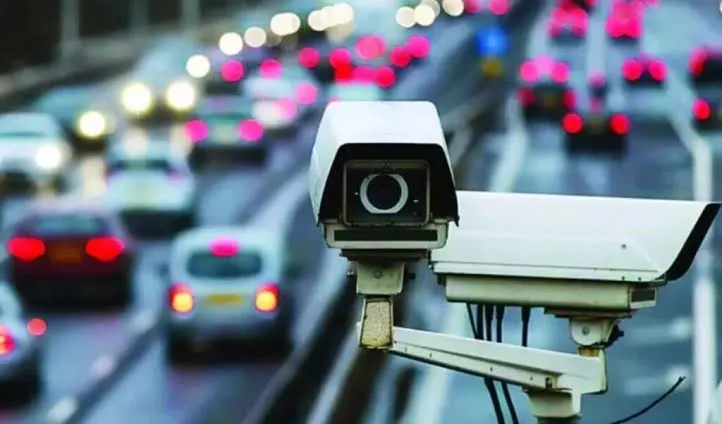

Ghanaian motorists are facing a new threat on and off the road: sophisticated scammers who are impersonating official traffic enforcement authorities, sending fake penalty notices via SMS and directing unsuspecting drivers to fraudulent payment websites. The Ghana Police Service raised the alarm on 4 November 2024, and the Cyber Security Authority followed days later on 9 November, urging the public to exercise extreme caution before paying any traffic-related fine received through unofficial channels.
How the scam works
The scheme is deceptively simple, and that is precisely what makes it so dangerous. A motorist receives a text message claiming that their vehicle has been captured by an electronic traffic camera committing an offence — perhaps speeding, running a red light or some other violation. The message includes what appears to be an official reference number, the vehicle's registration details and a stern instruction to pay a fine before a specified deadline or face prosecution.
The payment link provided, however, does not lead to any government platform. It leads to a fake website designed to harvest mobile money credentials, bank details or direct cash transfers from panicked drivers who do not stop to question the legitimacy of the notice.
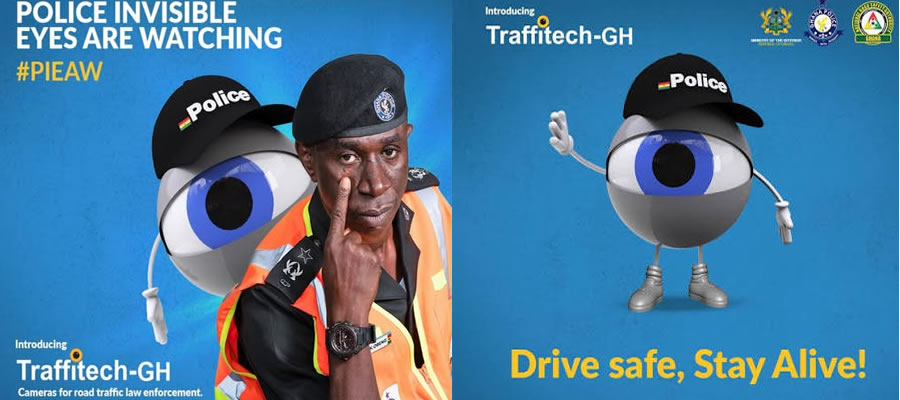
The scam is particularly effective because Ghana has been rolling out genuine electronic traffic enforcement infrastructure — meaning many motorists know that camera-generated fines are a real possibility. When a threatening message arrives referencing their actual vehicle registration, the instinct for many is to pay first and ask questions later.
Why it matters for Ghana
Ghana's roads remain among the more hazardous in West Africa. Road traffic crashes claim hundreds of lives every year and injure thousands more. Electronic enforcement — cameras that record offences without the possibility of on-the-spot negotiation — has long been advocated as a credible tool to improve compliance with traffic laws and reduce the carnage on the country's highways.
The emergence of this scam threatens to undermine public confidence in that system before it has had the chance to prove its value. If motorists cannot reliably distinguish a legitimate penalty notice from a fraudulent one, two things happen: genuine offenders feel emboldened to dispute or ignore real fines, and innocent drivers end up losing money to criminals. Both outcomes damage the broader goal of road safety.
The situation also exposes a critical gap in public education. When a government introduces a new enforcement or payment system, it must simultaneously run a clear, sustained campaign explaining exactly how official communications will be delivered, which platforms are authorised for payment and what recourse citizens have if they are unsure. Without that foundation, fraudsters need only dress their deception in the language of authority to find willing victims.
What motorists should do
Both the Ghana Police Service and the Cyber Security Authority have urged the public to take the following precautions:
- Do not click payment links received via unsolicited SMS or social media messages claiming to be traffic fines.
- Verify independently — visit an official Ghana Police Service office or use only verified government digital platforms to confirm whether any fine is legitimately registered against your vehicle.
- Do not share personal or financial details on websites reached through links in text messages, regardless of how official they appear.
- Report suspicious messages to the Cyber Security Authority or the Ghana Police Service so the relevant numbers and websites can be investigated and taken down quickly.
Electronic traffic enforcement has genuine potential to make Ghana's roads safer and to reduce the culture of impunity that has long defined driving behaviour in many parts of the country. But technology alone is never enough. Public awareness, transparent communication from authorities and swift action against fraudsters are equally essential. Until motorists can trust that an official notice is genuinely official, every legitimate fine will carry an uncomfortable shadow of doubt — and every scammer will be counting on exactly that uncertainty to make a profit.
Source: The Ghana Report




Comments (0)
Be the first to comment.