
Road inspections about progress, not punishment — Agbodza assures contractors
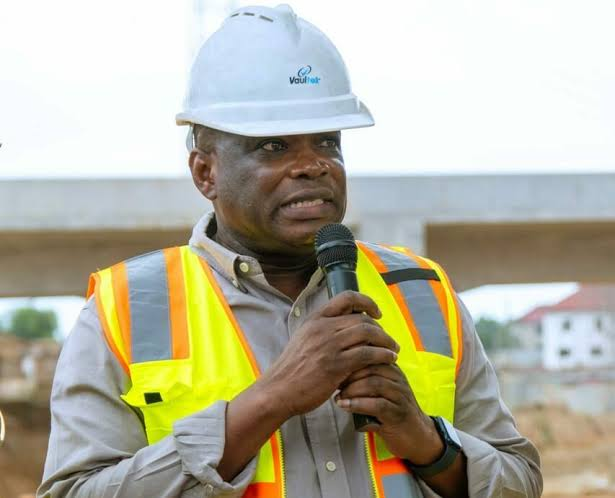

Ghana's Minister for Roads and Highways, Governs Kwame Agbodza, has moved to ease tensions among construction contractors over the government's ongoing nationwide road inspection programme, insisting the exercise is developmental rather than punitive.
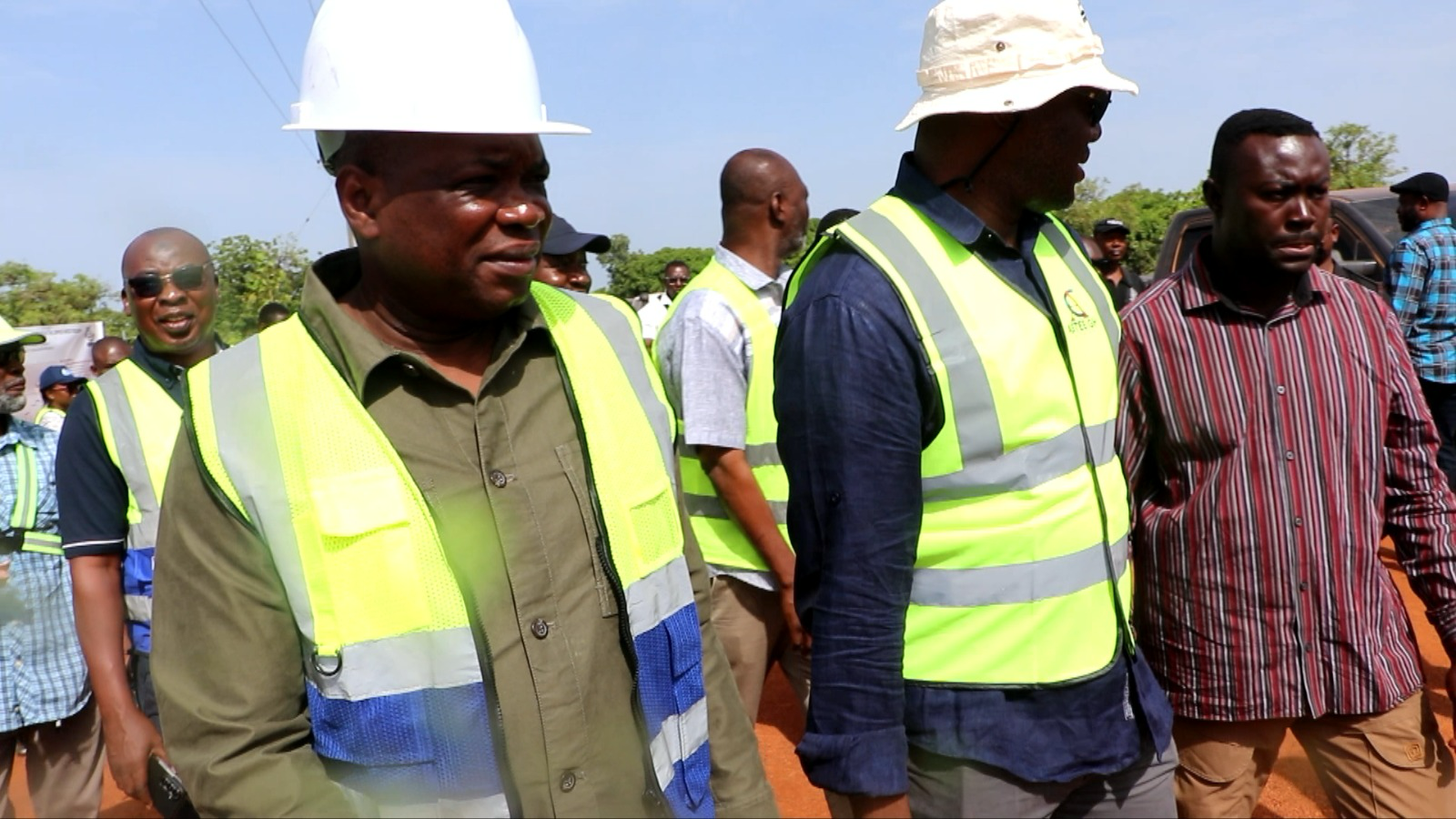
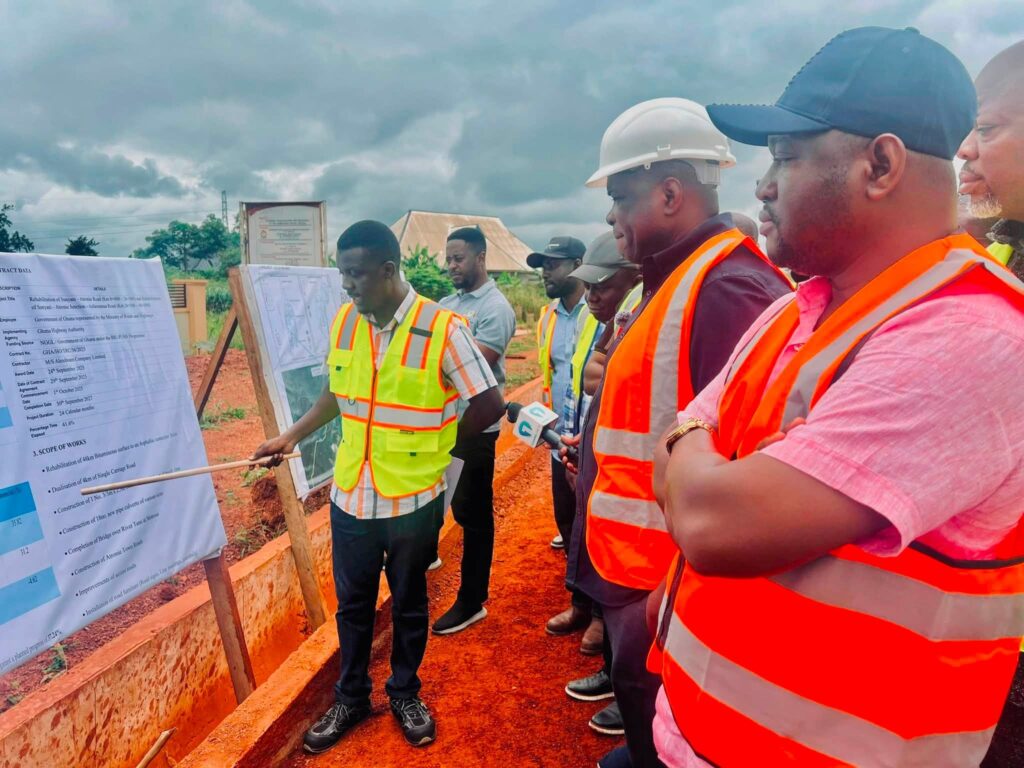
During a working visit to the Northern Region on Saturday, Mr Agbodza clarified that the inspection tour is designed to evaluate construction progress, pinpoint bottlenecks and push contractors to meet their contractual deadlines — not to manufacture problems or blame for delays.
The reassurance comes as the inspection exercise has generated some apprehension within the construction industry, with contractors potentially concerned about implications of site visits and assessments.
Government support, not fault-finding
Mr Agbodza emphasised that many contractors, particularly those under the Big Push for Roads initiative, are performing satisfactorily. He noted that the inspections have already motivated some contractors to accelerate their work pace.
"We don't go around just trying to look for trouble for contractors, but indeed, many of the Big Push contractors and other contractors are doing very well," the Minister stated.
He offered an olive branch to contractors struggling to meet their timelines, assuring them that government support is available to help them complete projects on schedule. "Don't worry, with our support, you can also complete your work on schedule," he added, signalling a collaborative rather than adversarial approach.
Why it matters for Ghana
Road infrastructure remains a critical bottleneck in Ghana's development agenda. The Big Push for Roads initiative represents a significant government investment aimed at expanding and improving the national road network — essential for economic growth, trade facilitation and connectivity between regions.
For ordinary Ghanaians, timely completion of road projects directly impacts travel safety, reduced commute times and improved access to markets and social services. Delays in road construction often cascade into broader economic costs and frustration for road users.
The Minister's clarification is important because contractor morale affects project execution. If contractors perceive inspections as witch-hunts rather than support mechanisms, productivity may suffer. Conversely, a collaborative inspection regime that identifies genuine challenges — such as material supply issues, financing gaps or technical difficulties — allows government and contractors to jointly problem-solve.
The inspection tour also reflects government's commitment to transparency and accountability in public infrastructure spending, an area where Ghanaians have historically expressed concern. Regular site visits demonstrate active oversight of taxpayer funds invested in roads.
Nationwide tour underway
The Minister's Northern Region visit is part of a broader countrywide inspection sweep. Such exercises typically reveal real-time data on project status, helping policymakers assess whether the road network expansion is on track and where interventions may be needed.
The emphasis on encouraging contractors and offering support suggests the government recognises that infrastructure delivery requires functional partnerships between public sector oversight and private sector execution — an approach that may improve outcomes across Ghana's ongoing road development programmes.
Source: MyJoyOnline



Comments (0)
Be the first to comment.