
Pru East MP Sounds Alarm Over Typhoid Crisis as 99 Communities Go Without Safe Water


The Member of Parliament for Pru East, Emmanuel Kwaku Boam, has painted a troubling picture of a public health emergency unfolding in his constituency, telling Parliament that a collapsed water supply system is directly responsible for persistent typhoid fever outbreaks affecting tens of thousands of residents across the Bono East Region.
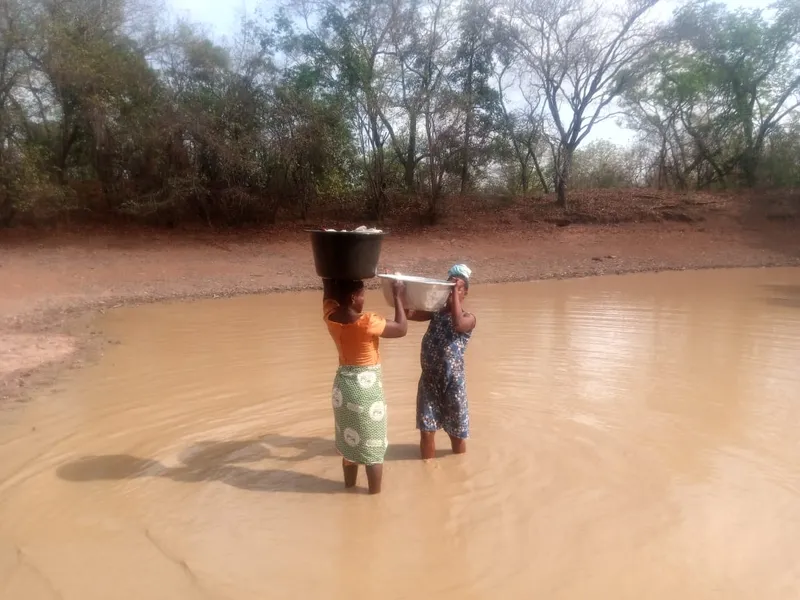
Boam disclosed that approximately 99 communities in Pru East currently lack access to safe, clean drinking water — a situation he described as both preventable and urgent. Among the most alarming consequences he raised was the diagnosis of intestinal perforation in children, a severe and life-threatening complication that arises when typhoid fever goes untreated or is poorly managed. Intestinal perforation requires emergency surgery and carries a high risk of death, particularly where healthcare infrastructure is limited.
A Community Left Behind by Infrastructure Failure
The Pru East District sits within the Bono East Region, one of Ghana's newer administrative regions carved out during the regional reorganisation of 2019. Like many inland districts, the area has historically struggled with water and sanitation infrastructure that has failed to keep pace with population growth and community needs.
Typhoid fever, caused by the bacterium Salmonella typhi, spreads primarily through contaminated food and water. In communities where piped water systems are broken or non-existent, residents often resort to unprotected wells, rivers, and other surface water sources — dramatically increasing their exposure to the disease. Ghana's rural communities have long battled this cycle, but the scale described by the Pru East MP — nearly 100 affected communities — underscores how infrastructure neglect can translate directly into preventable deaths and suffering.
The MP's intervention in Parliament is consistent with a broader pattern across Ghana, where local legislators increasingly use parliamentary platforms to escalate constituency-level crises that have gone unaddressed through ordinary administrative channels.
Why It Matters for Ghana
Ghana has made significant strides in expanding water access over the decades, but progress has been uneven. Urban centres such as Accra and Kumasi benefit from more developed water systems, while rural and peri-urban communities — particularly in the northern and middle belt of the country — continue to face chronic shortfalls. The situation in Pru East is a stark reminder that national water coverage statistics can obscure deep inequalities on the ground.
Intestinal perforation as a complication of typhoid is a particularly serious indicator of systemic failure. It suggests that not only are communities contracting the disease at high rates, but that cases are progressing to advanced stages — pointing to gaps in both prevention and timely medical treatment. For children, the consequences can be fatal.
The Minister responsible responded to the MP's concerns with a promise to ensure repairs are carried out on the broken water infrastructure. However, communities and health advocates will be watching closely to see whether that commitment translates into swift, tangible action on the ground, or remains another parliamentary pledge unfulfilled.
What Needs to Happen Next
Public health experts consistently emphasise that sustainable typhoid control requires a two-pronged approach: reliable access to clean water and sanitation on one hand, and accessible healthcare for early diagnosis and treatment on the other. Vaccination campaigns targeting typhoid-endemic communities have also proven effective in other African countries and could offer a short-term shield while infrastructure repairs are completed.
- The Ghana Water Company Limited and the Community Water and Sanitation Agency are the primary bodies responsible for rural water delivery, and accountability for the breakdown in Pru East falls within their remit.
- Civil society organisations active in water, sanitation and hygiene — commonly referred to as WASH — have called for increased budgetary allocations for rural water systems in successive national budgets.
- Residents of affected communities deserve not just repairs, but a long-term plan that prevents the same infrastructure from deteriorating again within a few years.
For now, the MP's public escalation of the crisis is a necessary step. The health of nearly 99 communities, and the lives of children already suffering from advanced typhoid complications, demand nothing less than urgent government action.
Source: 3News



Comments (0)
Be the first to comment.