
President Mahama's board dissolutions spark governance row as academics question lack of transparency

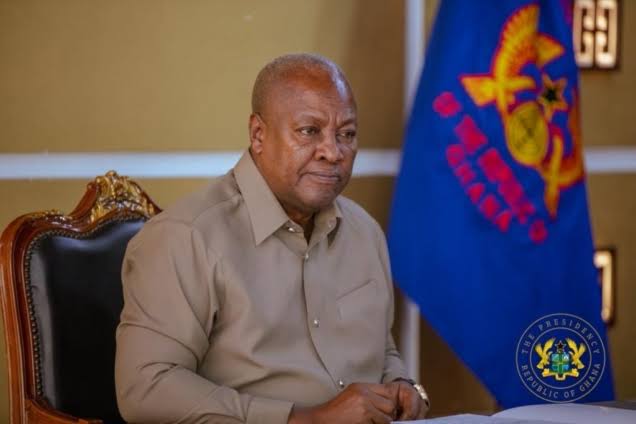
President John Dramani Mahama's sudden dissolution of governing boards at nine major state-owned enterprises has ignited a political firestorm, with academics and governance experts questioning the government's lack of transparency and warning of potential chilling effects on corporate decision-making across the public sector.
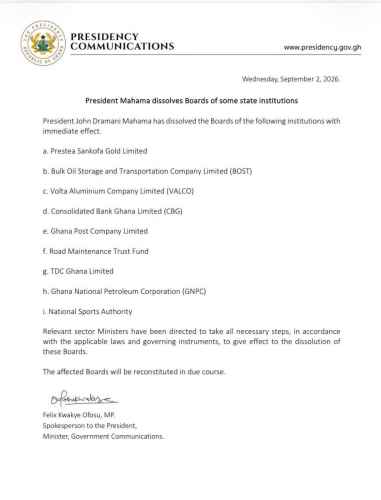
On 3 September 2026, the Presidency announced the removal of boards overseeing the Ghana National Petroleum Corporation (GNPC), Bulk Oil Storage and Transportation Company (BOST), Volta Aluminium Company (VALCO), Consolidated Bank Ghana (CBG), Ghana Post Company Limited, TDC Ghana Limited, the Road Maintenance Trust Fund, Prestea Sankofa Gold Limited and the National Sports Authority. The government stated that replacement boards would be appointed "in due course" but provided no justification for the sweeping action.
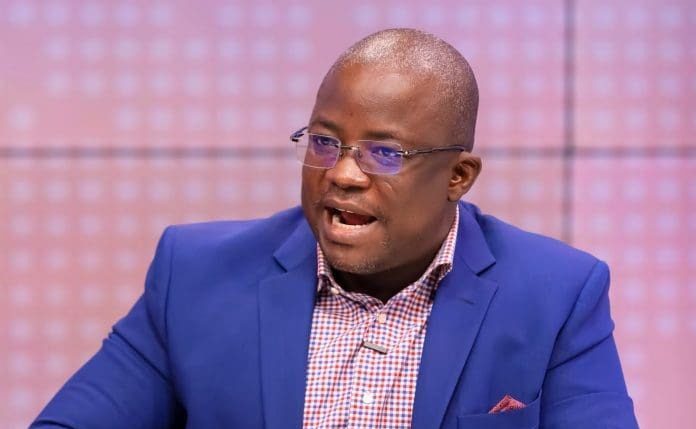
Dr. Joshua Zaato, a political science lecturer, has described the move as a "show of force" with potential political rather than performance-based motivations. His criticism cuts to the heart of a governance challenge: without clear reasoning, stakeholders are left to interpret the dissolutions through a political lens rather than an institutional one.
The case against performance-based justification
Dr. Zaato argues that attributing the board removals to poor financial performance is difficult to sustain. Recent reports, including the State Interests and Governance Authority's (SIGA) 2025 State Ownership Report published on 28 August 2026, have documented improvements in several state-owned enterprises' financial positions. Some institutions have transitioned from losses to profitability—a metric typically used to gauge institutional success.
"If these companies are actually done in two years, it is a promotion, not a fact," Dr. Zaato stated, highlighting the contradiction between demonstrated improvements and sudden board removals. The academic suggests that if the numbers show genuine progress, removing boards appears disconnected from sound corporate governance principles.
This gap between stated and implied reasons for the action has created space for political interpretation. Dr. Zaato notes that whilst the president is not legally obligated to provide detailed explanations for executive decisions, the absence of transparency inevitably invites scrutiny and scepticism from the public and civil society.
The governance and morale implications
Beyond the immediate controversy, Dr. Zaato warns of broader institutional damage. Mass board removals without transparent criteria create an atmosphere of uncertainty and fear among directors and board members still serving in government institutions. This psychological shift could fundamentally alter how executives approach their duties.
When board chairs and directors face the prospect of sudden removal, they may become reluctant to challenge government proposals or exercise independent judgment—precisely the kind of oversight that healthy corporate governance demands. Dr. Zaato illustrates the problem starkly: a board chairman faced with a questionable proposal may lack the confidence to dissent if removal threatens their position.
This dynamic risks hollowing out the independence that state-owned enterprises need to operate efficiently and in the national interest, rather than as extensions of political patronage.
Why it matters for Ghana's institutional health
Ghana's development depends partly on functional state-owned enterprises that can generate revenue, provide critical services and operate under professional management. When governance decisions lack transparency or appear politically motivated, they undermine confidence in institutions and discourage competent professionals from accepting public-sector roles.
Dr. Zaato also critiques the broader practice of allocating state enterprise positions as rewards for political supporters. This approach prioritises political loyalty over competence, weakening corporate governance standards and diverting institutional focus from performance to patronage.
The controversy highlights a tension in Ghana's governance: whilst presidents retain constitutional authority to make such decisions, the legitimacy and effectiveness of those decisions depend on public understanding and trust. Without explanation, even legally valid actions can damage institutional credibility and create the perception—justified or otherwise—that governance serves political ends rather than national development.
Source: The Ghana Report



Comments (0)
Be the first to comment.