
Presbyterian Church commits to full disability inclusion with new policy and dedicated committee
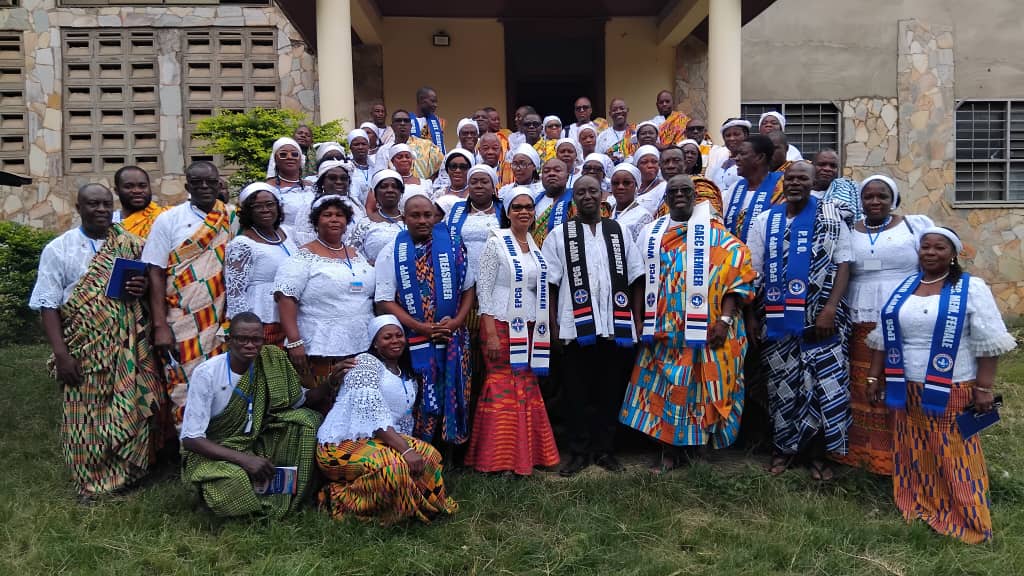

The Presbyterian Church of Ghana has taken a significant step toward institutional inclusion by formally launching its Disability Policy and inaugurating a National Committee on Disability. The move signals a churchwide commitment to ensure persons with disabilities participate fully in all aspects of congregational life, from worship and governance to leadership roles.
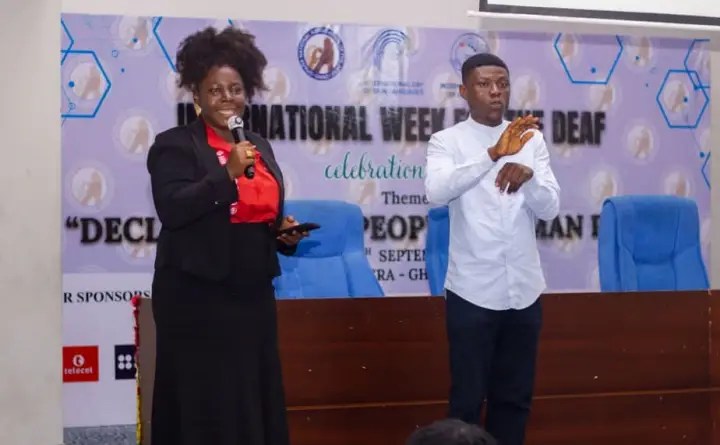
Reverend David Aboagye Danquah, Clerk of the General Assembly, emphasised that inclusion must move beyond rhetoric into concrete practice at every level—from the General Assembly down to individual congregations. He outlined specific infrastructure improvements the Church will pursue, including the installation of ramps, accessible washrooms, and other disability-friendly facilities. Beyond physical access, the Church plans to provide sign language interpretation during services, produce large-print bulletins, and develop tailored programmes responsive to the needs of members with disabilities.
A critical element of the policy addresses harmful theological messaging. Rev Danquah cautioned preachers and teachers against perpetuating the damaging association between disability and sin, curses, or personal failure—a misconception that has long stigmatised disabled persons in many faith communities. He called for persons with disabilities to hold every role in the Church, from Presbyters and Committee Chairpersons to Sunday School Teachers and Choir members, underlining that "disability inclusion is not a favour we extend to others; it is an act of obedience to the God who created all persons in His Image."
Implementation and financial commitment
Mrs Gertrude Oforiwa Fefoame, National Focal Person on Disability, acknowledged that rolling out the policy will require sustained investment. She appealed to all church courts to allocate budgets specifically for disability inclusion initiatives, describing such funding as a necessary and intentional commitment rather than an optional expense.
The implementation roadmap includes establishing Disability Committees in all Presbyteries, conducting cascading training, collecting data on disability participation, and submitting six-monthly progress reports. The Church has also pledged to observe a Presbyterian National Week of Disability, institutionalising recognition and awareness-raising.
Why this matters for Ghana
In Ghana, persons with disabilities face persistent barriers to participation in civic, economic, and social life. According to the 2021 Census, over 700,000 Ghanaians live with some form of disability. Religious institutions, including churches, shape social attitudes and often serve as gatekeepers to community belonging. When a major denomination like the Presbyterian Church—which has a significant presence across Ghana—commits publicly to inclusion, it sends a powerful signal that disability is not a private burden but a collective responsibility.
The policy also challenges deeply rooted cultural and theological beliefs in Ghana linking disability to spiritual failure or ancestral punishment. By explicitly rejecting these narratives from the pulpit and through institutional practice, the Church can help shift broader societal attitudes. Additionally, the commitment to accessible infrastructure and sign language services sets a standard that other institutions—schools, hospitals, government offices—may feel pressure to adopt.
Reverend Andrew Shardow, National Director of the Department of Church Life and Nurture, stressed that the Church's vision of holistic ministry demands deliberate action. Reverend Ebenezer Acheampong Asiedu, National Chairperson of the Committee on Disability, pledged the committee would "raise a prophetic voice against stigma, discrimination and societal barriers," signalling that the Church intends not only to transform internally but to advocate for systemic change beyond its walls.
For Ghana's disability community, the policy represents a concrete institutional commitment. For the Church, it reflects an evolving understanding that true witness is demonstrated through inclusive practice, accessible spaces, and prophetic leadership on social justice.
Source: MyJoyOnline



Comments (0)
Be the first to comment.