
Political Endorsements and Pay Cheques: The Complicated Dance Between Ghanaian Musicians and Politicians
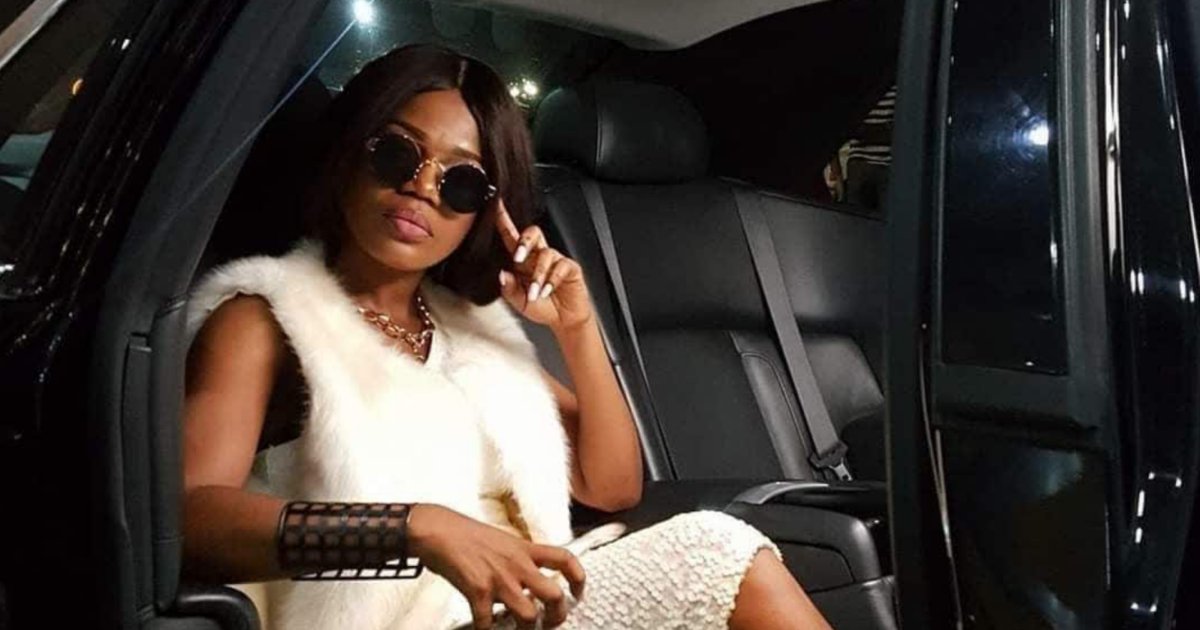

Every four years, Ghana's entertainment industry undergoes a quiet but unmistakable transformation. Campaign platforms fill up with familiar faces from the music scene, catchy political anthems flood the airwaves, and artists who spent the previous years carefully avoiding partisan conversations suddenly become passionate advocates for one party or another. The relationship between Ghanaian musicians and politicians is as old as multiparty democracy itself — but it raises questions that deserve honest answers.
A Partnership Built on Mutual Benefit
The appeal of this arrangement is not difficult to understand. Musicians bring something politicians cannot manufacture on their own: cultural credibility, emotional connection, and direct access to millions of young Ghanaians who might never sit through a policy speech but will stream a campaign anthem on repeat. A well-crafted political song can embed a party's message more deeply into public consciousness than an entire manifesto.
In return, politicians offer exposure, financial opportunities and, in some cases, access to government contracts or appointments that can significantly elevate an artist's career. When both sides are honest about the arrangement, there is nothing particularly scandalous about it. Musicians are professionals, campaign organisers are clients, and entertainment has always intersected with power.
The problems begin when paid performances are dressed up as heartfelt endorsements, or when an artist's political loyalty appears to follow the direction of whoever is currently in power. Ghana's social media landscape has a long memory — old campaign videos have a habit of resurfacing at the most inconvenient moments, and artists who sang the praises of one administration have found themselves publicly accountable when they pivoted enthusiastically to the opposition after a change of government.
Why It Matters for Ghana
Ghana has one of West Africa's most vibrant music industries, and its artists command genuine influence — particularly among the country's large youth population. When a celebrated musician endorses a political candidate, a significant portion of their fanbase may treat that endorsement as an informed recommendation rather than a commercial decision or personal preference. This dynamic carries real consequences in a democracy where youth voter turnout and political engagement can decide elections.
The concern is not that musicians participate in politics — they have every right to do so, and their platforms can make national conversations about unemployment, education, healthcare and corruption far more accessible to ordinary citizens. The concern is when celebrity influence is used to bypass critical thinking rather than stimulate it. Filling a stadium is not a qualification for evaluating fiscal policy, and producing hit songs does not make someone an authority on constitutional governance.
Ghana needs artists who are willing to challenge those in power, question the delivery of public services and hold governments accountable — not simply those who can make political slogans sound appealing over an infectious beat. The country's democracy is strengthened when public figures, including musicians, engage substantively with national issues rather than simply lending their image to the highest political bidder.
Transparency Is the Missing Ingredient
The debate is not about whether Ghanaian artists should engage with politics. That question has long been settled — from highlife legends who sang about independence and national identity to contemporary artists who address social inequality in their lyrics. Political expression is a legitimate and historically important part of Ghanaian musical culture.
What is missing is transparency. There is a meaningful difference between an artist who genuinely supports a party's vision and campaigns accordingly, and one who is fulfilling a paid contract while presenting it as personal conviction. Audiences deserve to know which is which.
Freedom of expression does not disappear because someone earns a living entertaining people. Artists should be free to support parties, perform at rallies and compose campaign music without being condemned for it. But that freedom comes with a responsibility to be honest about motivations — both to the public and, perhaps more importantly, to themselves.
- Ghanaian musicians wield significant influence over young voters during election campaigns.
- The boundary between paid political performance and genuine endorsement is frequently unclear.
- Transparency about commercial arrangements would strengthen both artistic credibility and democratic culture.
Source: MyJoyOnline

Comments (0)
Be the first to comment.