
Cashew Traders Urge Mahama to Drop Export Ban, Agree to Fair Levy Instead
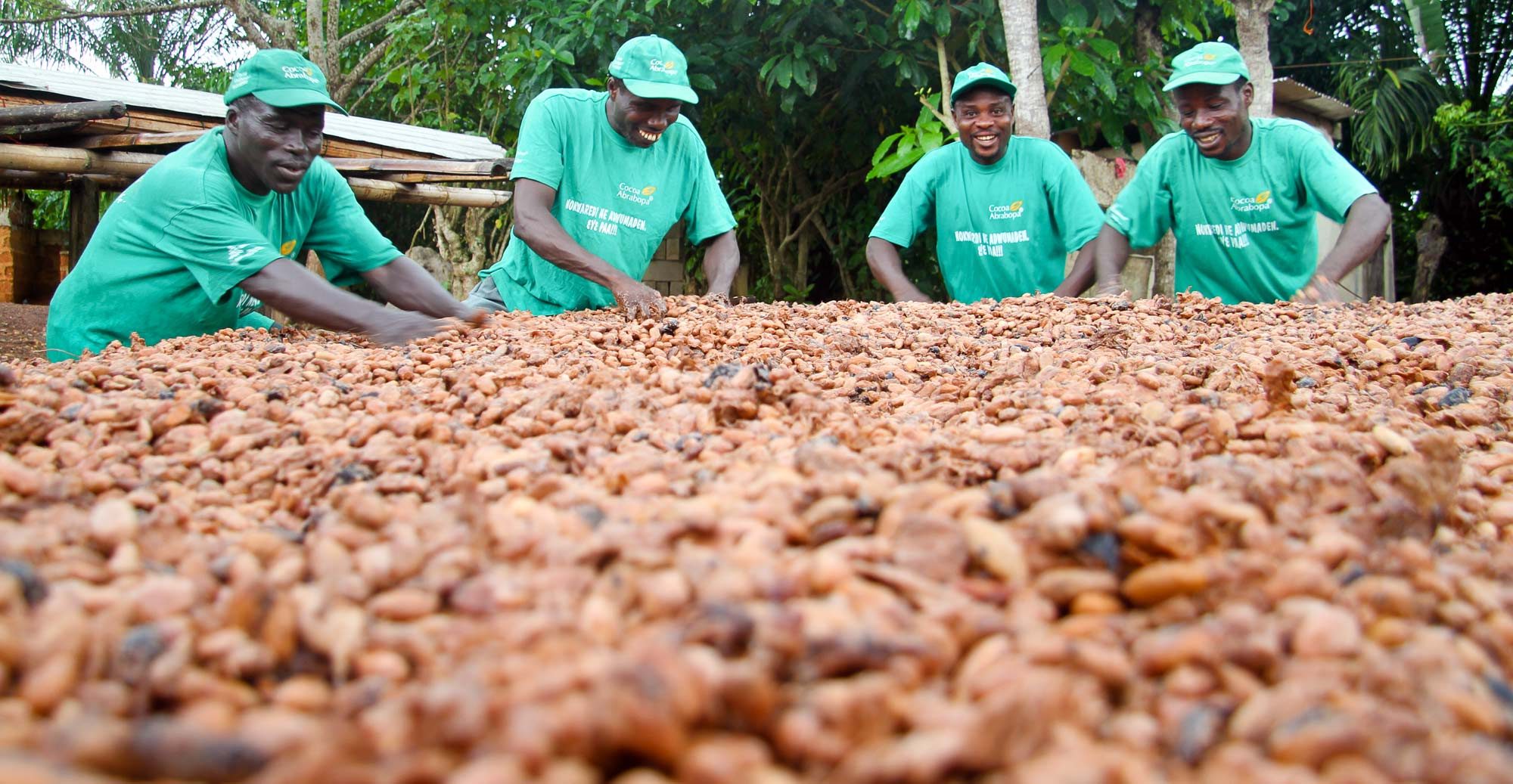

Cashew traders, exporters, and farmer-led associations representing approximately 3,500 traders and aggregators across Ghana's key cashew-producing regions have formally petitioned President John Mahama, urging him to withdraw a proposed three-month ban on raw cashew exports. The groups warn the restriction could devastate farmer incomes, disrupt investments, and destabilise livelihoods across communities in Techiman, Nkoranza, and Kintampo — the heartland of Ghana's cashew belt. At the same time, the petitioners have signalled a willingness to work with government on a structured export levy as a more balanced alternative.
What sparked the petition
The controversy was ignited on 16th November 2026, when the government announced the proposed export restriction and levy at the commissioning of the NADKANSCO processing factory in Techiman — a ceremony meant to celebrate progress in local industrial processing. The joint petition, dated 17th November 2026 and signed by Chairman Abdel Mumuni Musah and Secretary Adams Ayuba, was filed just a day later, underscoring the urgency felt by stakeholders on the ground.
The petitioners acknowledged the government's broader goals of promoting local value addition, industrialisation, and job creation — objectives they say they share. However, they contend that an outright export ban is the wrong tool to achieve those ends, arguing it would remove competition among buyers, weaken farmers' ability to negotiate better prices, and potentially depress the farmgate prices on which hundreds of thousands of rural households depend.
They also raised pointed questions about whether Ghana's domestic processing sector currently has the purchasing power and processing capacity to absorb the country's full raw cashew output. Without that capacity, they argue, a blanket restriction would simply strand produce rather than redirect it into value-added manufacturing.
Why it matters for Ghana
Ghana is one of West Africa's significant cashew producers, and the crop is a vital source of income for smallholder farmers across the Bono, Bono East, and Ahafo regions. The cashew industry supports not just farmers but a wide ecosystem of aggregators, transporters, and traders — many of them women — whose livelihoods depend on the smooth flow of the commodity to both local and international markets.
A sudden three-month export halt could have cascading consequences. Existing international supply contracts could be breached, triggering financial penalties. Bank facilities secured against expected export revenues could come under pressure. And if farmgate prices fall because competition among buyers dries up, the very farmers the policy is meant to protect could end up worse off in the short term.
That is why the associations' conditional support for an export levy is significant. Rather than rejecting government intervention entirely, the groups are offering a middle path — one that generates revenue, encourages price stability, and incentivises local processing without shutting Ghana out of global cashew markets.
- The petitioners are calling for adequate financing and incentives to help domestic processors compete for raw cashew on a level playing field.
- They want recognised farmer, trader, and exporter associations formally included in all future policy decisions affecting the cashew sector.
- Existing commercial contracts, stock holdings, and bank facilities must be protected under any new policy framework, the groups insist.
What happens next
The associations are seeking an urgent audience with President Mahama or his designated representatives to present their concerns and table alternative proposals. Their core demand is straightforward: suspend the proposed restriction pending comprehensive stakeholder consultations and an independent assessment of its economic impact before anything is implemented.
The government now faces a delicate balancing act. Pushing ahead without broader consultation risks alienating a large and organised constituency of farmers and traders at a time when agricultural sector confidence is critical. Backing down entirely, however, could send a signal that industrial policy commitments made at commissioning ceremonies carry little weight.
A negotiated outcome — one that pairs a carefully designed export levy with meaningful investment in processing capacity — appears to be the outcome all sides could live with. Whether that conversation happens swiftly enough to prevent disruption to Ghana's upcoming cashew season will be watched closely across the industry.
Source: MyJoyOnline


Comments (0)
Be the first to comment.