Police seize $6.9m cocaine haul at Tema Port; major drug trafficking ring uncovered
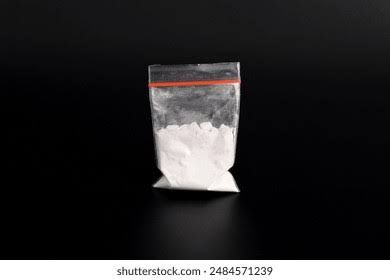
Ghana's drug enforcement efforts have scored a significant victory with the Tema Regional Police Command intercepting a massive consignment of suspected cocaine worth approximately $6.9 million at the Tema Harbour. The operation, which led to three arrests, represents one of the largest drug seizures at the country's busiest port in recent months and highlights the ongoing battle against international narcotics trafficking through Ghanaian soil.
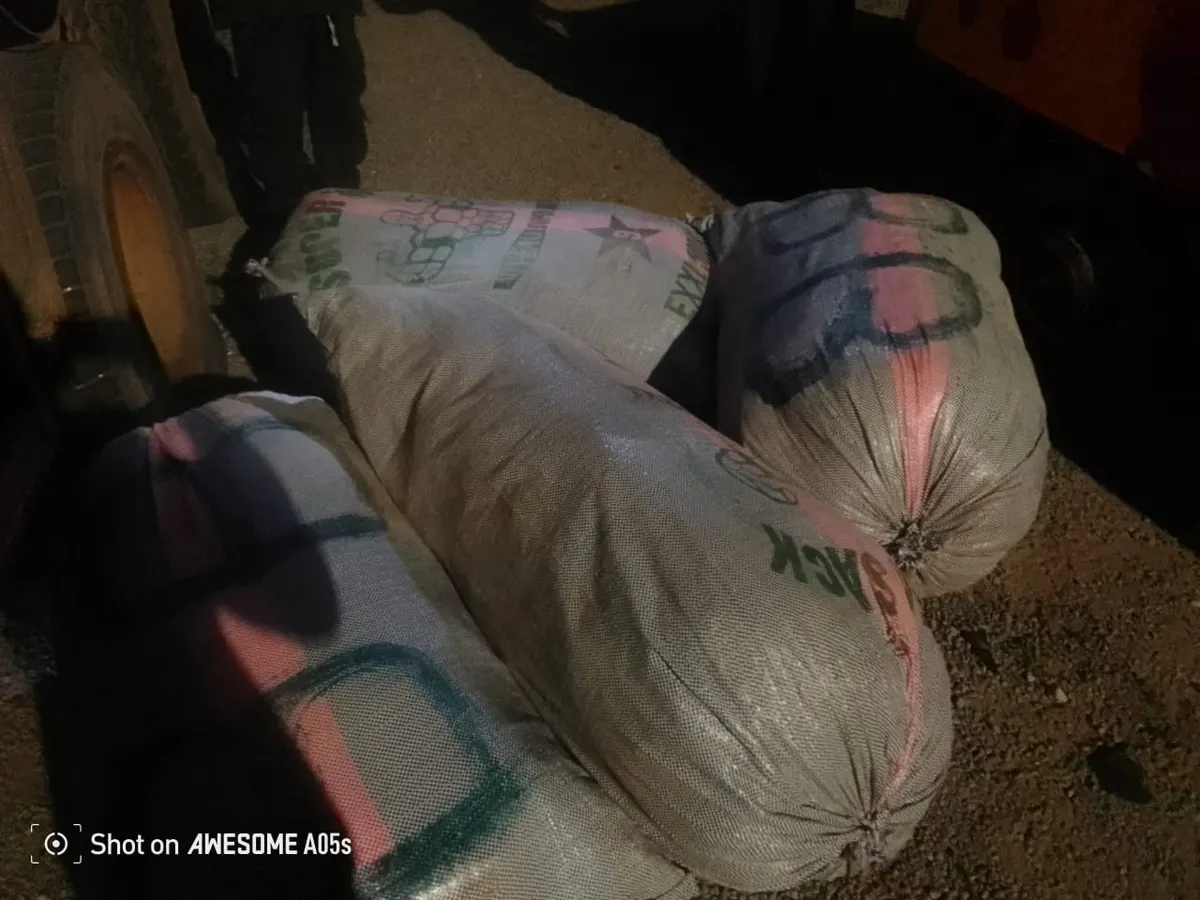
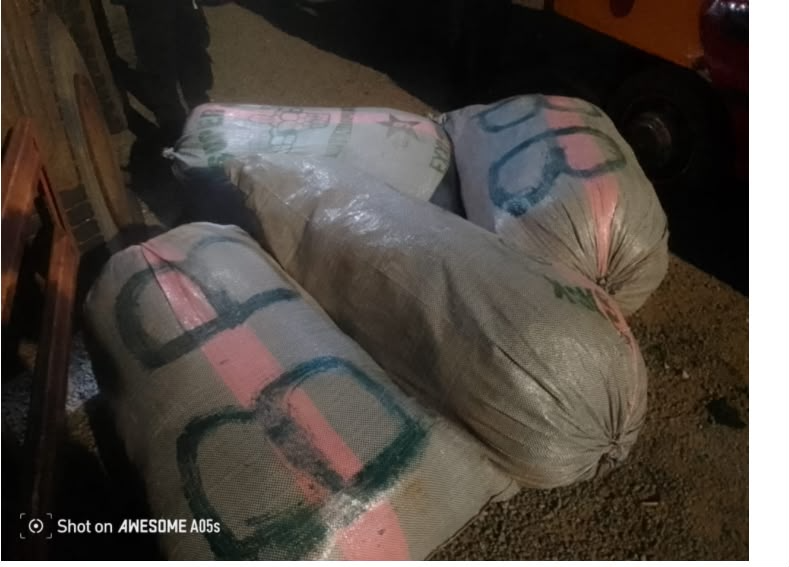
The 866 parcels of suspected cocaine were discovered concealed within sacks of gari, a traditional Ghanaian staple food made from fermented maize, attempting to leave Ghana via the port. The sophisticated concealment method—utilising a commodity as a cover—demonstrates the organised nature of drug trafficking networks operating through Tema and their knowledge of port security procedures.
Growing concern over port security
The seizure underscores Ghana's vulnerability as a transit hub for international drug trafficking. Tema Harbour, as West Africa's second-busiest port, remains a critical vulnerability point where narcotics destined for Europe, North America and other markets are frequently intercepted. The use of legitimate food exports as cover for illicit drugs is a technique increasingly employed by smuggling syndicates seeking to evade detection at ports and airports.
The three suspects arrested in connection with the haul are currently in custody assisting with investigations. Police have not yet disclosed their identities or roles within the suspected trafficking network, though such operations typically involve multiple layers of coordination—from source suppliers to logistics handlers to port operatives.
Why it matters for Ghana
This interception carries significant implications for Ghana's international standing and domestic security. Countries combating drug trafficking closely monitor seizure rates in transit nations; successful operations like this demonstrate Ghana's commitment to international drug enforcement protocols and enhance cooperation with foreign law enforcement agencies, particularly those from consuming nations in Europe and North America.
Domestically, however, the persistent flow of narcotics through Ghanaian ports raises concerns about corruption within port security infrastructure, customs agencies and law enforcement. The sophistication of this particular smuggling attempt—using a food product familiar to port workers as camouflage—suggests either detailed insider knowledge or systematic exploitation of security gaps.
Ghana remains classified as a major transit point for cocaine destined for Europe under various international drug control assessments. The country's geographic location on West Africa's coast, combined with its relatively developed port infrastructure, makes it attractive to international trafficking organisations seeking efficient export routes.
Next steps in the investigation
The Tema Police Command is expected to charge the three suspects following completion of investigations. The seized cocaine will undergo laboratory analysis to confirm its composition and purity. Intelligence gathered from this operation may assist authorities in dismantling broader trafficking networks and identifying other operatives involved in moving drugs through Ghanaian ports.
Police have urged the public to report suspicious activities at ports and harbours, and to provide information on drug trafficking operations to the appropriate authorities. Combating organised narcotics smuggling requires coordination between port authorities, customs, maritime security and national police.
Source: 3News
-1200x675.webp)

Comments (0)
Be the first to comment.