Kwabenya Court Remands Six Suspects in Massive 3.9-Tonne France Cocaine Case

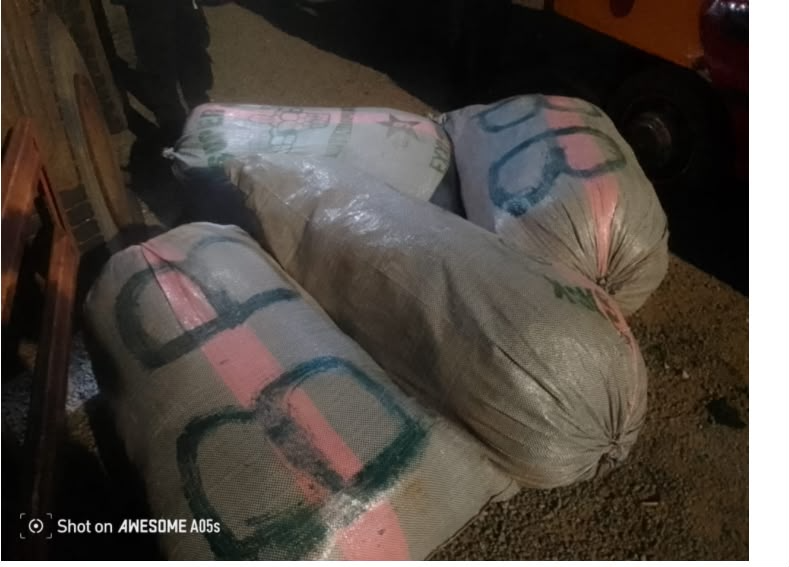
The Kwabenya Circuit Court has rejected bail applications for six individuals implicated in one of Ghana's most significant drug trafficking cases—the seizure of 3.9 tonnes of cocaine in France. The denial of bail means the suspects will remain in custody as their trial proceeds, marking a critical development in what appears to be a large-scale international narcotics operation with Ghanaian connections.
The Case and Charges
The six accused persons are standing trial in connection with the cocaine shipment that was intercepted in France. The sheer volume of the narcotics—nearly four tonnes—underscores the scale of the alleged trafficking network and suggests involvement of organised crime networks operating across West Africa and Europe. Drug trafficking cases of this magnitude typically involve multiple layers of coordination, from source suppliers to distribution networks.
The decision by the Kwabenya Circuit Court to deny bail is a strong indication that the court views the evidence against the suspects as substantial and considers them flight risks or potential dangers to the public. Bail denial in major drug cases often signals that prosecutors have presented compelling preliminary evidence linking the accused to the alleged crime.
Why It Matters for Ghana
Ghana has increasingly become a transit point for international drug trafficking networks, particularly for cocaine moving from Latin America to European markets. Major seizures like this one demonstrate the country's vulnerability to being exploited by organised criminal syndicates. The involvement of Ghanaian nationals in international drug operations affects Ghana's international reputation and complicates diplomatic relations, particularly with countries like France.
These cases also highlight the challenges faced by Ghana's law enforcement and judicial systems in combating transnational organised crime. The fact that this shipment was intercepted in France rather than at Ghana's borders raises questions about the efficacy of border security and customs operations. Additionally, successful prosecution of such cases is crucial for demonstrating Ghana's commitment to international drug control treaties and maintaining cooperation with foreign law enforcement agencies.
Implications for Drug Trafficking Enforcement
The denial of bail is significant as it keeps the suspects in remand custody during the trial period, preventing them from potentially tampering with evidence or fleeing the jurisdiction. For Ghana's criminal justice system, such high-profile international drug cases serve as important precedents in demonstrating the seriousness with which major trafficking offences are treated.
The trial will likely involve cooperation between Ghanaian authorities and French law enforcement, further strengthening anti-narcotics collaboration between the two nations. Successful prosecution would send a powerful message to criminal networks that Ghana's justice system is capable of pursuing complex transnational cases to conviction.
Source: 3News

Comments (0)
Be the first to comment.