Parliament in turmoil over GH¢22bn Ghana Gold Board losses; Afenyo demands accountability
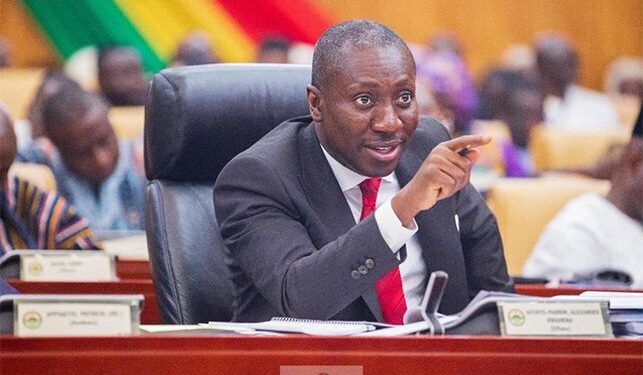
Tensions are rising in Parliament following revelations that the Ghana Gold Board has recorded losses totalling GH¢22 billion, with the Minority Leadership accusing the government of mismanaging critical national assets and demanding immediate parliamentary accountability.
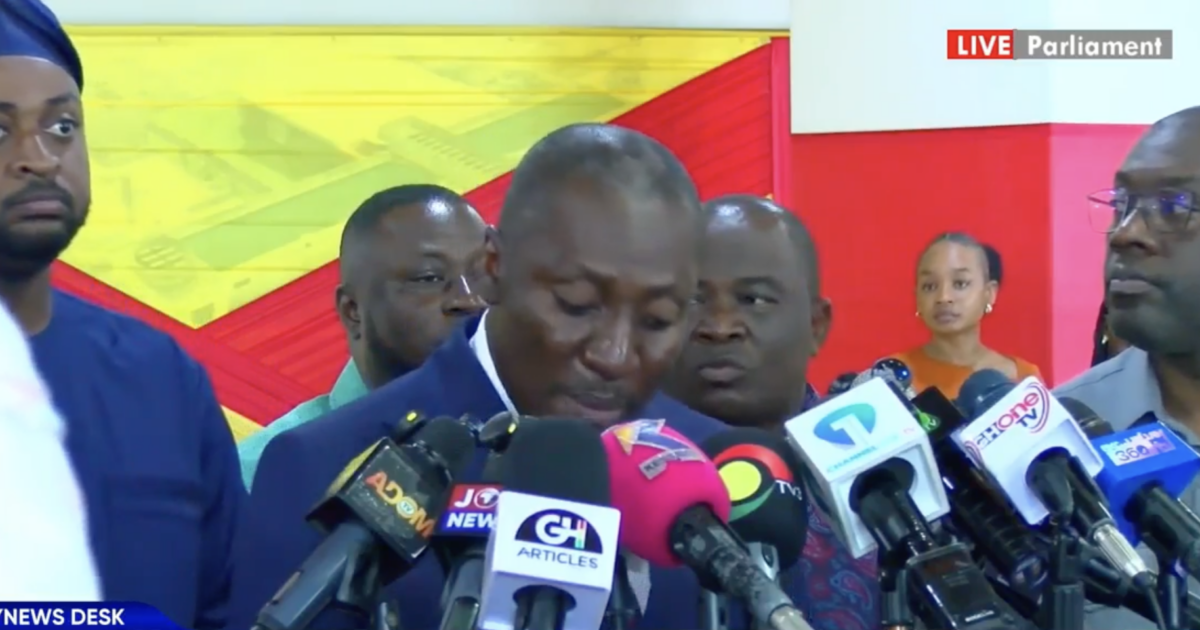
Minority Leader Alexander Afenyo-Markin has pointedly questioned how a gold trading institution could accumulate such staggering losses, suggesting the figures point to deliberate mismanagement rather than market mishaps. He has called on the Majority faction in Parliament to allow a motion demanding full transparency and accountability regarding how the funds were deployed and lost.
The scale of the crisis
The GH¢22 billion in reported losses represents a significant drain on Ghana's resources at a time when the country is navigating fiscal pressures and debt obligations. For context, this figure would represent substantial portions of budgets allocated to critical sectors such as health, education and infrastructure development. The Gold Board, as a state institution, operates with public funds and is expected to generate revenue for the national treasury—not deplete it.
The losses have sparked broader questions about governance, institutional oversight and the competence of management within Ghana's state-owned enterprises. If such large-scale financial haemorrhaging occurred, it raises critical questions about whether internal controls and audit mechanisms functioned effectively.
Why this matters for Ghana
Gold remains one of Ghana's most valuable national resources and a significant contributor to foreign exchange earnings. The Gold Board's role is central to ensuring that this asset class is leveraged responsibly to generate wealth for the state. Large unexplained losses undermine confidence in Ghana's institutional capacity to manage strategic resources and may have ripple effects on investor confidence in the broader public sector.
The political dimensions are equally important. The Minority's push for accountability reflects legitimate parliamentary oversight responsibilities. Parliament, as the nation's highest legislative body, has a constitutional duty to scrutinise how public institutions deploy state resources. When such scrutiny is blocked or resisted, it fuels public suspicion and erodes institutional credibility.
For ordinary Ghanaians, losses of this magnitude directly affect government's ability to invest in public services, expand economic opportunities and manage inflation. Every cedis lost in poorly managed state enterprises is a cedis unavailable for schools, hospitals, roads and other public goods.
The path forward
The demand for accountability is not merely partisan posturing—it reflects a fundamental principle of democratic governance. Key questions that Parliament must explore include:
- How were the losses incurred and over what period?
- Who made decisions that led to these losses, and what disciplinary action has been taken?
- What internal audit and oversight mechanisms failed?
- What steps are being implemented to prevent recurrence?
Whether the Majority allows the motion to proceed will be closely watched by Ghanaians and civil society organisations monitoring governance standards. Blocking scrutiny of public financial losses sets a dangerous precedent and suggests institutional accountability is negotiable rather than non-negotiable. Ghana's credibility—both domestically and internationally—depends on transparent management of state resources and swift remedial action when institutions fail.
Source: 3News



Comments (0)
Be the first to comment.