
Parliament Gift Row: Minority Caucus Denies GHC70k Payment Amid Signature Dispute


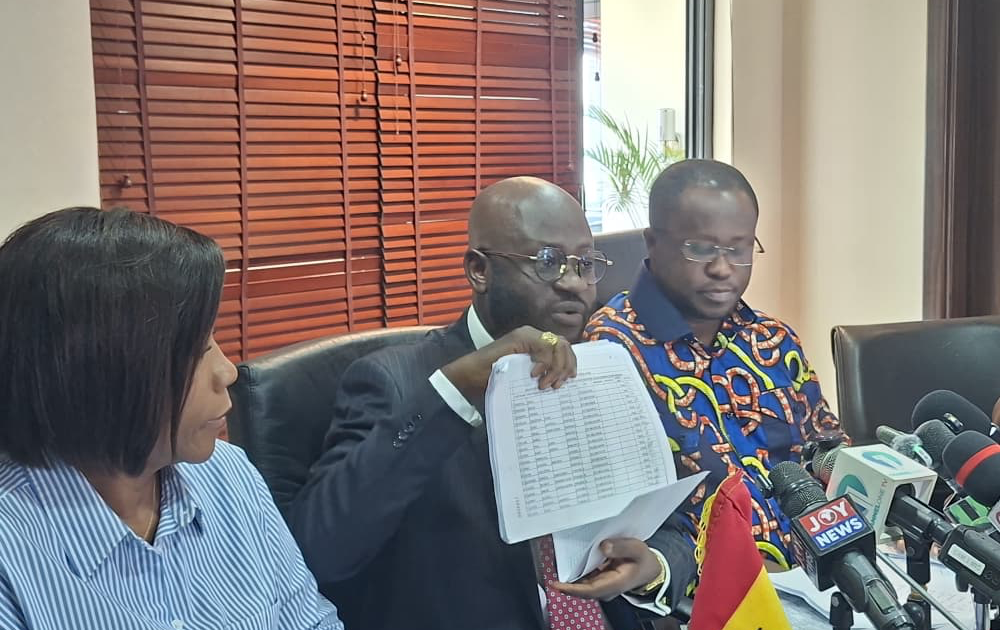
A document purporting to authorise a GHC70,000 payment has thrust Ghana's parliamentary Minority Caucus into the spotlight, with claims of forged signatures and disputed authenticity casting doubt on the memo's legitimacy. The alleged directive, which surfaced publicly within the last day, has ignited questions about parliamentary governance and financial accountability.
The core dispute centres on whether the signatures affixed to the memo genuinely belong to Minority leadership. Those disputing the document's validity have suggested that visual similarities between signatures may have led to confusion or deliberate misrepresentation, raising concerns about potential fraud or the circulation of fabricated parliamentary correspondence.
What the Controversy Reveals
The incident highlights a broader vulnerability in how official parliamentary documents can be challenged or misused. With signature verification becoming a central point of contention, the matter underscores the importance of robust document authentication procedures within Parliament. The emergence of such disputes in public discourse also reflects growing scrutiny of financial transactions involving legislative bodies and political actors.
The Minority Caucus, as one of Parliament's key institutional groupings, plays a vital oversight role. Any credible questions about the authenticity of documents bearing its name carry implications for parliamentary integrity and public trust in legislative institutions.
Why It Matters for Ghana
Parliamentary transparency and financial accountability are foundational to democratic governance. When documents purportedly authorising significant payments emerge without clear verification, it raises legitimate questions about how public and institutional funds are managed and authorised at the highest legislative levels.
For ordinary Ghanaians, such incidents matter because they reflect whether elected representatives and parliamentary institutions operate with the oversight and discipline the public expects. The ability to distinguish genuine from fraudulent parliamentary communications is essential for holding legislators accountable. Additionally, if signature forgery or document fabrication has occurred, it points to potential gaps in parliamentary security and administrative controls.
The dispute also carries political dimensions. In Ghana's parliamentary system, the Majority and Minority groupings are key players in legislative processes, budget approvals and policy oversight. Public confidence in their operations—and in their ability to police themselves against fraud—is crucial to the legislature's effectiveness.
Next Steps and Implications
Resolution of this matter will likely depend on forensic examination of the disputed signatures and official investigation into the memo's origins. Parliament's internal mechanisms, or potentially external oversight bodies, may need to determine whether the document is genuine, forged or a case of mistaken identity.
The public scrutiny surrounding this case may prompt broader reflection on document security, authentication protocols and financial transparency within parliamentary structures. How Parliament responds—whether through clarification, investigation or procedural reform—will signal its commitment to institutional integrity and public accountability.
Source: 3News



Comments (0)
Be the first to comment.