Pan-African Unity Still Elusive: Lumumba on Nkrumah's Unfinished Legacy

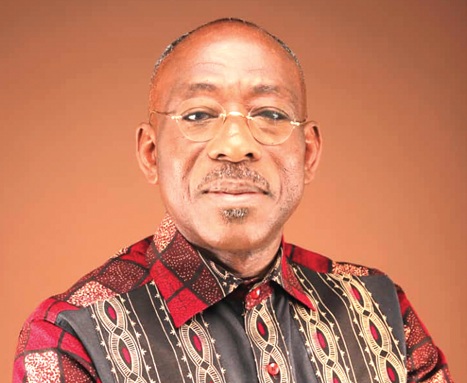
Ghanaian scholar and pan-African advocate Prof. Patrick Lumumba has reignited debate over the enduring relevance of Dr. Kwame Nkrumah's continental vision, arguing that nearly seven decades after Ghana's independence, the dream of a truly united Africa remains substantially unfulfilled. Speaking at the 2026 NkrumahFest in Nkroful, Ellembelle District in the Western Region—the birthplace of independent Africa's first president—Lumumba highlighted the profound gap between Nkrumah's aspirations and present-day continental reality.
Nkrumah's Revolutionary Linking of National and Continental Freedom
Lumumba emphasised that Nkrumah's greatest intellectual contribution was reframing Ghana's independence not as a parochial national achievement, but as a catalyst for the liberation of the entire African continent. By positioning Ghana's 1957 independence as inseparable from the broader decolonisation project, Nkrumah fundamentally altered African political consciousness. This ideological framework inspired liberation movements across sub-Saharan Africa throughout the 1960s and beyond, making Ghana a beacon for anti-colonial struggle. However, Lumumba's remarks suggest that while Nkrumah successfully mobilised African nations around the independence struggle, the subsequent task of building institutional and political unity has proven far more difficult to achieve.
The Gap Between Vision and Reality
Decades after Nkrumah's downfall in 1966 and his death in exile, the pan-African project has fragmented into competing national interests, regional blocs, and geopolitical rivalries. The African Union, established in 2002 as the institutional successor to Nkrumah-era ideals, has struggled to enforce continental decisions or resolve internal conflicts with authority. Economic integration across Africa remains limited, with intra-African trade accounting for a relatively small fraction of continental commerce. Political instability, military coups, and weak governance in several nations have further undermined collective African agency on the global stage. Lumumba's invocation of this unfulfilled vision at NkrumahFest serves as both historical remembrance and contemporary critique—a reminder that the unfinished work of continental integration demands renewed commitment from contemporary African leadership and citizenry.
Why It Matters for Ghana
For Ghana specifically, Nkrumah's legacy carries profound symbolic and practical weight. As the nation that first broke free from colonial rule and positioned itself as a leader of African liberation, Ghana has a stake in advancing the continental agenda Nkrumah championed. Ghana's role in the African Union, its participation in ECOWAS, and its diplomatic positioning within West Africa are all shaped by the historical narrative Nkrumah established. Furthermore, Ghanaians' understanding of their own national identity is intertwined with pan-African consciousness—a consciousness that Nkrumah forged. Lumumba's address suggests that reflecting on why this vision stalled can help Ghana and other African nations identify practical pathways toward deeper integration, whether through strengthened regional institutions, economic cooperation, or renewed political commitment to African-centred solutions to continental challenges. The question of African unity is not merely historical; it remains urgent for Ghana's economic development, security, and international standing.
Source: 3News

-800x600.webp)
Comments (0)
Be the first to comment.