
Over 5,000 Businesses Now Offering Credit Via Ghana Card — Here's What It Means for Ordinary Ghanaians
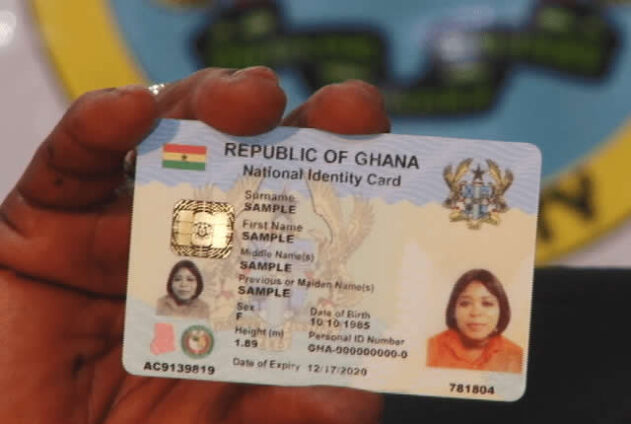

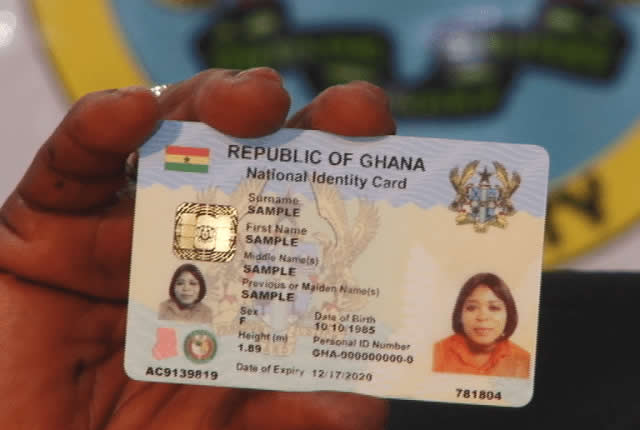
A quiet but significant revolution is under way in Ghana's credit landscape. More than 5,486 businesses — spanning electricity providers, hospitals, universities, insurance companies, retailers and hotels — are now extending credit to customers on the strength of their Ghana Card alone, with no bank statements, payslips or guarantors required. For millions of Ghanaians who have long been locked out of formal credit, the shift could be genuinely transformative.
How the system works
The arrangement is straightforward in practice. A customer presents their Ghana Card at the point of sale, their identity is verified instantly through the biometric National Identification System, and they can walk away with goods or services on credit. Repayment is then structured over an agreed period rather than demanded upfront.
That may sound simple, but the implications are far-reaching. Under the arrangement, a household struggling with an electricity bill from the Electricity Company of Ghana, a student facing school fees or a patient requiring hospital treatment can now access what amounts to a short-term credit facility without setting foot in a bank or producing formal financial documentation.
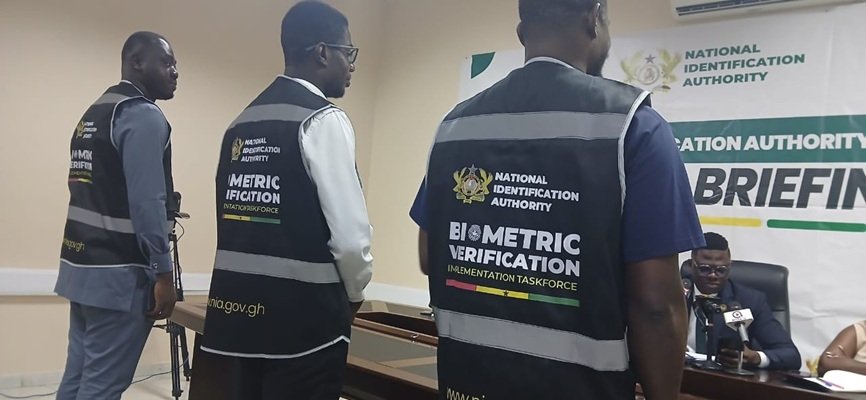
Because the Ghana Card is biometrically secured and linked to the National Identification Authority's database, businesses can tie a verified identity to a credit record — meaning they can be confident about who they are extending credit to, and customers build a track record each time they repay.
Why it matters for Ghana
For decades, formal credit in Ghana was effectively reserved for salaried workers and those with established banking relationships. Traders, farmers, artisans, kayayei, drivers and the millions of informal workers who collectively power the Ghanaian economy were largely excluded, not because they lacked income, but because they lacked the documentation the formal system demanded.
The result was a vicious cycle: without access to credit, many could not smooth over income shocks, invest in their businesses or manage unexpected expenses such as hospital bills. They were forced into informal lending arrangements — often at punishing interest rates — or simply went without.
The Ghana Card is beginning to break that cycle. By making identity verification instant, reliable and universally available, it lowers the cost and risk for businesses willing to extend credit, while simultaneously opening the door for customers who previously had no foot in the door.
Beyond credit, the Ghana Card has steadily become the backbone of Ghana's public and private services. It serves as the Tax Identification Number for the Ghana Revenue Authority, is required to open a bank account, and is linked to the National Health Insurance Scheme and SSNIT pension records. It is mandatory for new driver's licence applications and vehicle registration at the DVLA, required for passport applications, and is recognised as a travel document within the ECOWAS region.
What is taking shape is a consolidated identity infrastructure — one card, one number, one verified record — replacing the fragmented system in which Ghanaians previously carried separate cards for every institution.
What comes next
The growth in credit-offering businesses signals that confidence in the Ghana Card as a financial tool is deepening among the private sector. As more businesses adopt the model and credit records accumulate against individual Ghana Card numbers, the groundwork is being laid for a broader consumer credit economy — one that could eventually support formal credit scoring, micro-lending and digital financial products built on verified identity.
- For businesses, the benefit is equally clear: removing the need for upfront payment reduces a significant barrier to sales, particularly for higher-value goods and services.
- For policymakers, the data being generated offers an unprecedented view of how credit flows through the economy at the individual level.
- For ordinary Ghanaians, the most immediate gain is access — the ability to manage life's essential costs without being turned away at the counter.
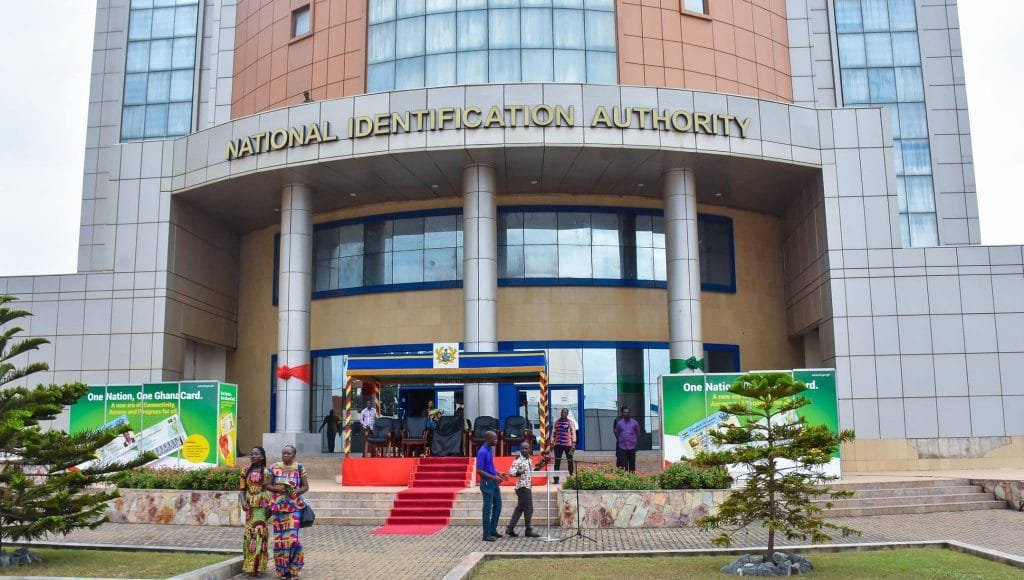
Ghana's National Identification Authority has spent years building the infrastructure behind the card. The emergence of over five thousand businesses willing to stake credit on it suggests the investment is beginning to pay real dividends for everyday Ghanaians.
Source: The Ghana Report


Comments (0)
Be the first to comment.