Over 3,000 left homeless as River Dayi overflows in Hohoe; MP calls for urgent aid
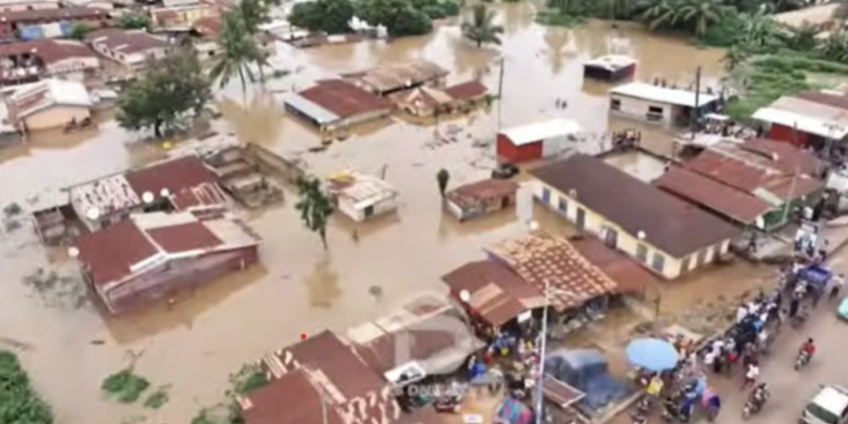
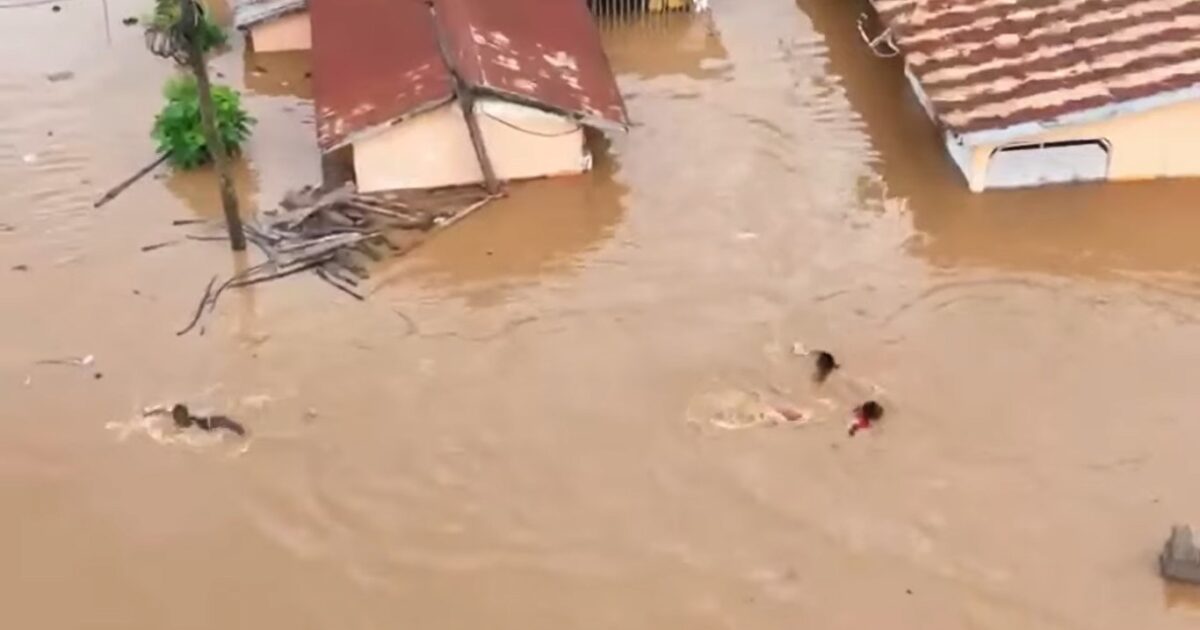
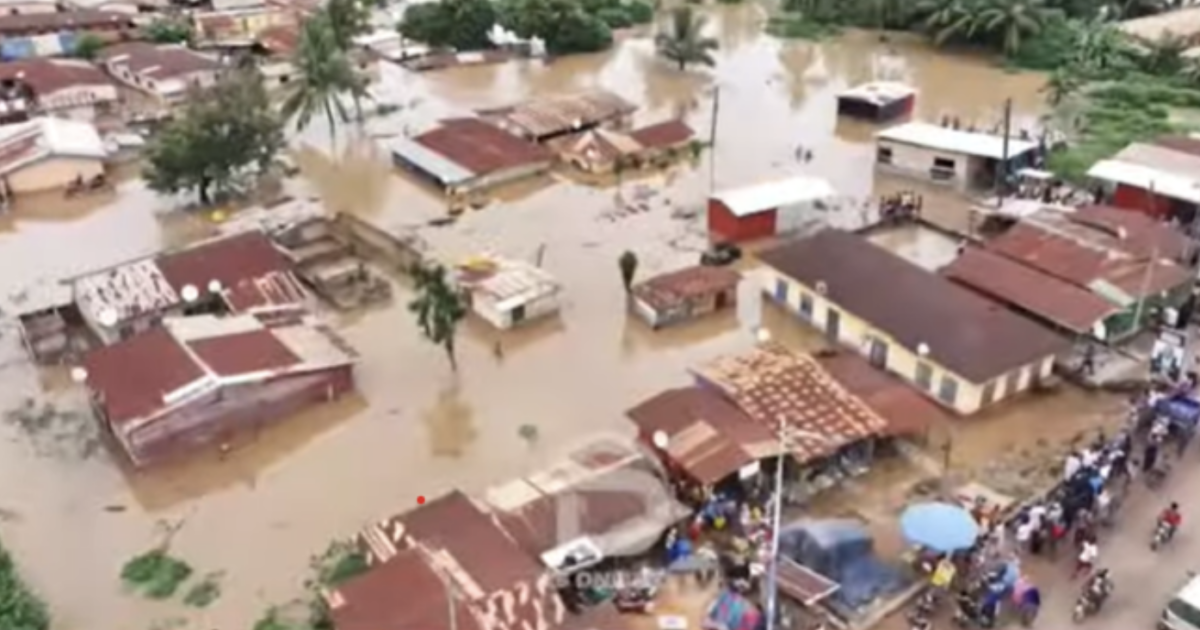
More than 3,000 residents in Hohoe Municipality, Volta Region, have lost their homes following devastating floods triggered by the overflow of the River Dayi. Over 400 homes have been affected across several riverside communities, with the Zongo area experiencing particularly severe damage after water submerged more than half the settlement.
The crisis has strained local resources significantly. Displaced residents have been temporarily housed in classrooms whilst authorities scramble to secure more adequate shelter. The continuous rise in water levels, even after heavy rains subsided, has kept emergency teams on high alert and forced officials to extend evacuation efforts into what remains an unpredictable situation.
Emergency response and the scale of need
The Hohoe Member of Parliament, Thomas Worlanyo Tsekpo, made an emotional public appeal on Monday, 28 September, acknowledging the limits of local capacity. He stressed that neither the MP nor the Municipal Chief Executive alone could address the crisis, emphasizing the critical need for external support from organisations, individuals and stakeholders to prevent further suffering.
Tsekpo praised the National Disaster Management Organisation (NADMO) and security agencies for their swift evacuation work, which has prevented loss of life despite the scale of destruction. However, the sustained emergency—with water levels continuing to rise despite the end of heavy rainfall—suggests this will be a prolonged recovery effort requiring ongoing assistance and coordination.
Why this matters for Ghana
The Hohoe flooding reflects a growing pattern of climate-related disasters across Ghana's regions. The Volta Region, in particular, has faced repeated flooding in recent years, affecting vulnerable communities with limited economic buffers. Such disasters expose gaps in disaster preparedness infrastructure and raise questions about early warning systems, urban planning near water bodies, and the readiness of local authorities to respond to large-scale displacement.
The displacement of 3,000 people creates immediate humanitarian challenges—access to clean water, sanitation, healthcare and schooling for children—and longer-term concerns about livelihood recovery. Many affected residents will have lost property, possessions and livestock, setting back household economies significantly.
For Ghana's broader disaster management framework, the Hohoe case illustrates why coordination between NADMO, the Municipal Assembly, Parliament and civil society remains vital. Whilst emergency responders prevented casualties, the call for external support underscores that local government budgets and disaster reserves are often insufficient for major events. This also highlights the importance of improved building codes, flood-risk mapping and community relocation planning in flood-prone areas.
The situation remains fluid, with water levels monitored closely as authorities work to ensure no further communities are cut off or submerged. Ghanaians in less affected areas are being urged to consider humanitarian support, whilst policymakers should view this incident as a prompt to strengthen climate adaptation and disaster resilience across vulnerable regions.
Source: Today GH

-1200x671.webp)
Comments (0)
Be the first to comment.