Over 90 Homes Destroyed as Devastating Floods Sweep North East Gonja District
-1200x671.webp)
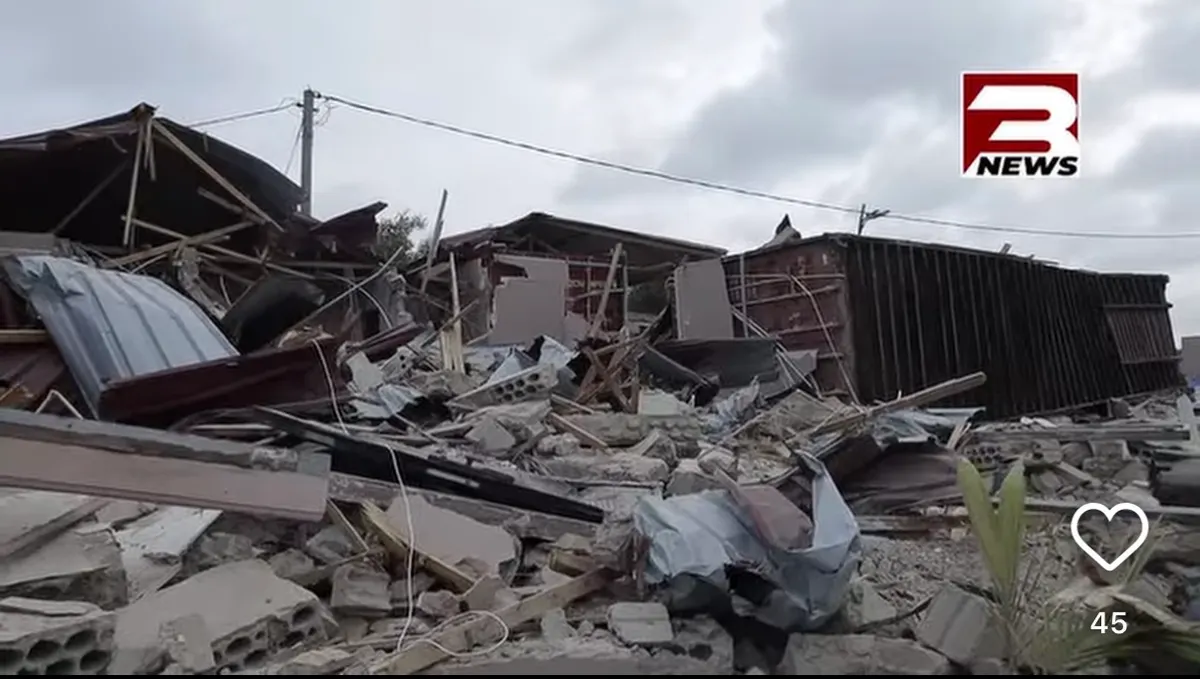
Residents of North East Gonja district are grappling with the aftermath of severe flooding triggered by intense rainfall, with at least 93 residential structures completely destroyed and more than 246 people now without shelter. The disaster has left affected communities struggling to access basic services and support as road networks become impassable.
Scale of the Disaster
The flooding has inflicted substantial damage across the district. Beyond the structural destruction, families have lost homes, belongings, and immediate access to food and water. The scale of displacement suggests that government and humanitarian intervention will be critical in the coming weeks. Initial assessments indicate that the collapsed houses represent a mix of residential properties, though specific breakdowns by community or ward have not yet been widely reported.
Access and Isolation Concerns
One of the most pressing challenges emerging from the floods is the isolation of affected communities. With roads cut off by waterlogging and debris, residents face severe difficulty accessing markets, health facilities, and educational institutions. Food supplies and medical assistance are struggling to reach those stranded in remote pockets of the district. This situation highlights how flooding in Ghana's northern regions can rapidly escalate from a housing emergency into a broader humanitarian crisis affecting health, nutrition, and economic activity.
Why It Matters for Ghana
North East Gonja, located in the Savanna Region, is part of Ghana's vulnerable northern belt where seasonal rains and poor drainage infrastructure have historically made communities susceptible to flooding. Recent years have seen increasingly severe weather patterns linked to climate variability, putting pressure on local government capacity to prepare and respond.
The displacement of 246 people raises urgent questions about disaster preparedness at the district level and the adequacy of early warning systems. In Ghana's northern regions, agricultural communities depend on predictable seasonal patterns; unpredictable flooding disrupts farming calendars and threatens food security for the year ahead. For internally displaced persons, shelter remains a critical gap—makeshift camps and overcrowded communal spaces risk disease outbreaks, particularly malaria and waterborne illnesses.
This incident will likely draw attention to the need for improved drainage infrastructure, flood-resistant building standards, and strengthened disaster management protocols across northern districts. The Savanna Region has experienced similar crises in recent years, but coordinated regional response mechanisms remain underdeveloped compared to southern regions.
Next Steps
Authorities are expected to conduct damage assessments and mobilise relief resources. The immediate priorities will be temporary shelter provision, water and sanitation support, and restoring road access. Longer term, the district may need technical and financial support to improve water management and housing resilience in flood-prone areas.
Source: 3News
Comments (0)
Be the first to comment.