Over 3,000 residents displaced as River Dayi floods devastate Hohoe communities
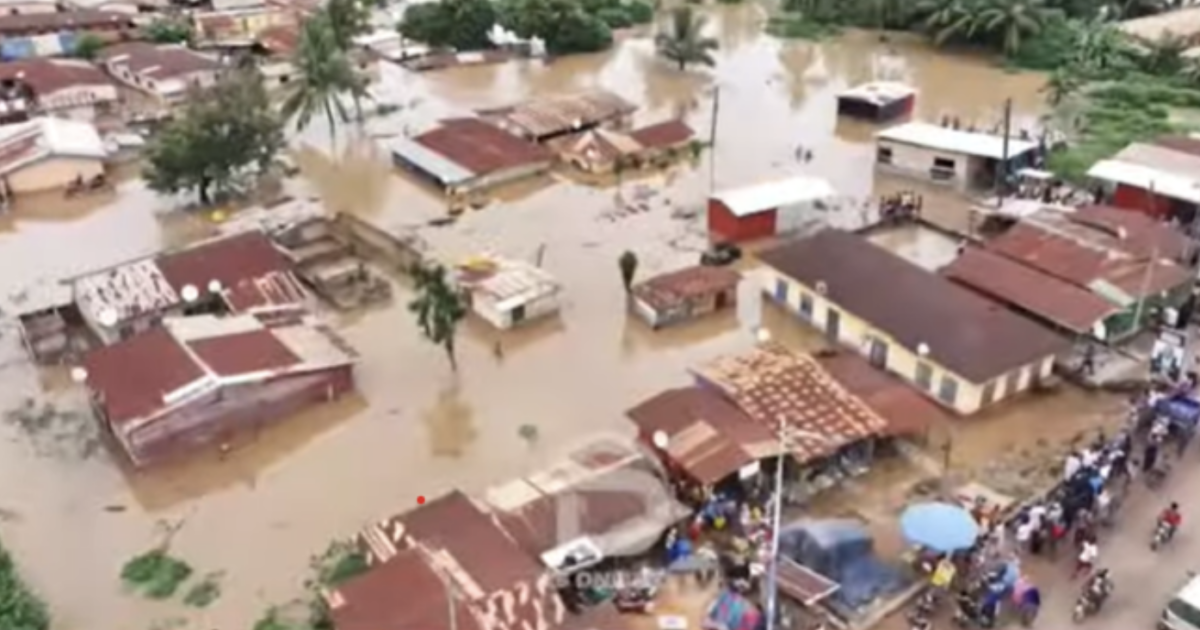
A devastating flood has wreaked havoc across the Hohoe Municipality in Ghana's Volta Region, forcing more than 3,000 residents from their homes after the River Dayi burst its banks. The disaster has affected numerous communities along the river, with over 400 homes damaged or destroyed, leaving families scrambling for shelter and basic necessities in the aftermath of the natural disaster.
The community of Zongo has suffered the worst damage, with reports indicating that more than half of the settlement lies underwater. Authorities have relocated displaced residents to temporary shelter, primarily in local school classrooms, whilst searches for more permanent accommodation solutions continue. The sheer scale of the displacement has overwhelmed response capacity at the municipal level, prompting urgent appeals for external support.
Response efforts and ongoing concerns
Member of Parliament for Hohoe, Thomas Worlanyo Tsekpo, made an emotional appeal on Channel One TV on Monday, September 28, underscoring the gravity of the situation. "It's overwhelming. The MP and the MCE alone cannot, in fact, we are not able. We are calling for support," he stated, highlighting the limits of local government resources in handling a crisis of this magnitude.
The MP acknowledged the critical role played by the National Disaster Management Organisation (NADMO) and security agencies in evacuating residents from high-risk areas and preventing loss of life during the emergency response phase. However, he cautioned that the situation remains fluid, as water levels continue to rise even after heavy rainfall had ceased, indicating that floodwaters may take considerable time to recede.
Why it matters for Ghana
Flooding in Ghana's Volta Region is not an isolated incident but part of a recurring pattern that reflects broader challenges facing the country's disaster management infrastructure. The Hohoe flooding demonstrates how communities in flood-prone areas remain vulnerable despite warnings and preparation efforts. The displacement of thousands of residents places immediate strain on local services including healthcare, education, and food distribution, whilst the destruction of homes represents significant economic losses for already vulnerable populations.
The appeal for assistance from government, civil society, and international organisations signals that localised disaster response capacity requires strengthening at the municipal level. As climate variability increases rainfall unpredictability across Ghana, flooding events like this underscore the need for improved early warning systems, better-designed drainage infrastructure, and comprehensive disaster preparedness programmes that protect residents in vulnerable communities.
For affected residents, recovery will be lengthy. Beyond immediate shelter and food assistance, communities will require support for rebuilding homes, restoring livelihoods disrupted by the flooding, and addressing potential health risks from waterborne diseases that often follow such events. The incident also raises questions about settlement planning and land use in flood-risk zones, issues that require urgent attention from regional and national authorities.
Source: MyJoyOnline

-1200x671.webp)
Comments (0)
Be the first to comment.