
Obuasi School Sex Scandal Exposes Leadership Failures, Activist Warns
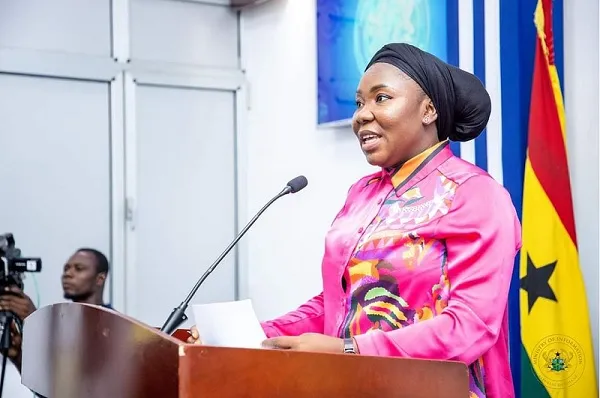

A prominent Ghanaian activist has slammed what she describes as a deeply troubling inconsistency in how the state prioritises criminal investigations, pointing to the alleged sexual assault scandal at Obuasi Secondary Technical School as a stark example of institutional negligence.
Fatimatu Abubakar has questioned why authorities move swiftly against individuals accused of hate speech whilst investigations into serious allegations of rape against vulnerable students remain stalled. Her remarks highlight growing frustration among civil society groups over the apparent prioritisation of certain offences over others that directly endanger children.
The Obuasi School Controversy
The Obuasi Secondary Technical School has been at the centre of a major scandal involving allegations of sexual assault against multiple students. The case has attracted significant public concern, particularly regarding how educational authorities and law enforcement have handled the matter. Questions have been raised about the speed and thoroughness of investigations, as well as whether sufficient support has been provided to alleged victims.
Abubakar's intervention represents mounting pressure on government institutions to demonstrate they treat crimes against young people with the same urgency they apply to other serious matters. The delay in responses across the chain of leadership—from school authorities to regional education offices to national law enforcement—has drawn particular criticism.
A Question of Institutional Priority
The activist's pointed comparison raises uncomfortable questions about how Ghana's justice system allocates resources and attention. She suggests that whilst the state acts decisively on some matters, sexual violence against minors appears to be treated with less urgency, signalling a troubling gap in how the nation protects its most vulnerable citizens.
Such inconsistencies, if accurate, undermine public confidence in institutions tasked with safeguarding children and enforcing the law fairly. They also send a message about which offences society truly prioritises, potentially emboldening perpetrators and demoralising survivors.
Why It Matters for Ghana
This controversy touches on several critical issues for Ghana: the protection of children in educational settings, the efficiency and impartiality of law enforcement, and the effectiveness of institutional oversight. Educational facilities should be safe spaces where young Ghanaians can learn without fear of exploitation. When allegations of assault emerge, swift and thorough investigation is both a legal and moral obligation.
The case also reflects broader concerns about accountability in Ghana's public institutions. Parents and guardians need confidence that schools report serious crimes, that authorities respond promptly, and that victims receive support rather than being left in limbo. A lackadaisical approach to such cases can perpetuate cycles of abuse and erode trust in systems meant to protect the young.
Furthermore, the comparison to other high-profile legal matters suggests a need for the government to review how it allocates investigative resources and ensure that sexual violence against children receives commensurate priority. This is not merely an administrative matter—it reflects Ghana's commitment to child protection and the rule of law.
Civil society groups, parents, and concerned Ghanaians continue to call for urgent action, better coordination between educational, law enforcement, and welfare agencies, and transparent communication about steps being taken to bring perpetrators to justice and support survivors.
Source: 3News




Comments (0)
Be the first to comment.