NPP set for historic Kumasi congress: 7,163 delegates to reshape party leadership and constitution
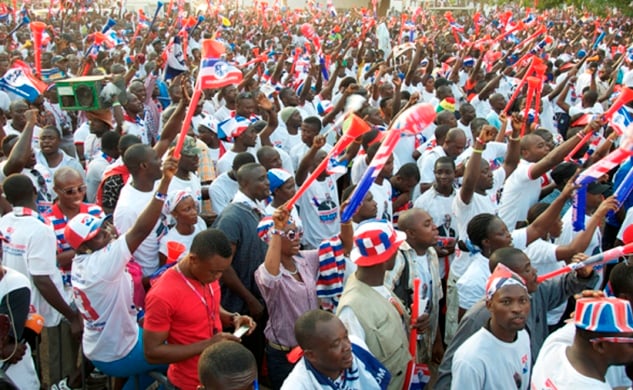
The New Patriotic Party is gearing up for a significant restructuring of its internal governance and leadership hierarchy. Over 7,000 delegates from all 16 regions will converge at Kumasi's Baba Yara Sports Stadium on October 3, 2026, to shape the party's future direction through constitutional amendments and elections for top executive positions.
The congress represents a critical juncture for Ghana's governing party as it faces evolving internal dynamics and seeks to clarify its organizational structure heading into future electoral cycles. The two-part proceedings will first address proposed constitutional amendments before moving to elections for nine national executive roles, with 45 aspirants competing across these positions.
What constitutional changes are coming?
Fewer than 20 amendments will be tabled, many of which were previously debated but rejected at the party's January 2026 constitutional conference in Accra. The most significant proposal concerns party leadership definition. The January conference had established that the National Chairman would serve as the party leader, but fresh deliberations have led to a new proposal: making the party's presidential flagbearer the recognised leader instead. This shift reflects ongoing discussions about how the NPP should balance its internal hierarchies with electoral strategy.
Additional changes target the Vice Chairmanship structure. Currently, all candidates contest for National First Vice Chairman, with rankings determined by vote count. The new system would allow candidates to apply for specific Vice Chairperson positions rather than a single pooled contest. The party is also proposing approval of three additional non-elected Vice Chairpersons, expanding the senior leadership circle.
Other reforms include creating Deputy Communications Officer positions and elevating the IT Officer to executive status—changes reflecting the party's modernisation priorities in an increasingly digital political environment.
Who participates and how?
The 7,163 delegates represent a broad geographic spread. Ashanti Region leads with 1,122 delegates, reflecting its size and traditional NPP strength. Greater Accra follows with 773, whilst the Eastern Region has 732. Smaller regions like Savannah (184 delegates) and Western North (223) still maintain meaningful representation in party decisions.
Specialist organiser elections have separate delegate pools: 2,745 delegates will vote for the National Youth Organiser, 1,275 for National Women's Organiser, and 858 for National Nasara Organiser. This segmentation ensures that different party wings have direct input into leadership roles affecting their constituencies.
Why it matters for Ghana
The NPP's internal decisions ripple across Ghana's political landscape. How the party defines its leader—whether as the Chairman or flagbearer—signals strategic positioning ahead of future elections and could affect party discipline, candidate selection, and campaign coherence. Similarly, structural changes to the Vice Chairmanship and new executive positions reshape how power is distributed and contested within Ghana's largest opposition party.
The congress also indicates broader patterns in Ghanaian party politics: ongoing tensions between institutional roles and electoral leadership, expansion of executive structures to accommodate diverse interest groups, and the continued importance of regional representation in party democracy. Kumasi's selection as the venue underscores Ashanti Region's political weight, particularly for the NPP.
These internal reforms, whilst technical, will influence how effectively the party can mobilise supporters, manage internal factions, and present itself to voters in coming years. For Ghanaians tracking national politics, the outcomes reveal which internal factions gain influence and how the party intends to structure itself for future electoral competition.
Source: The Ghana Report


Comments (0)
Be the first to comment.