NPP Chairman Kodua appeals to delegates to judge his rebuilding efforts ahead of 2028 elections

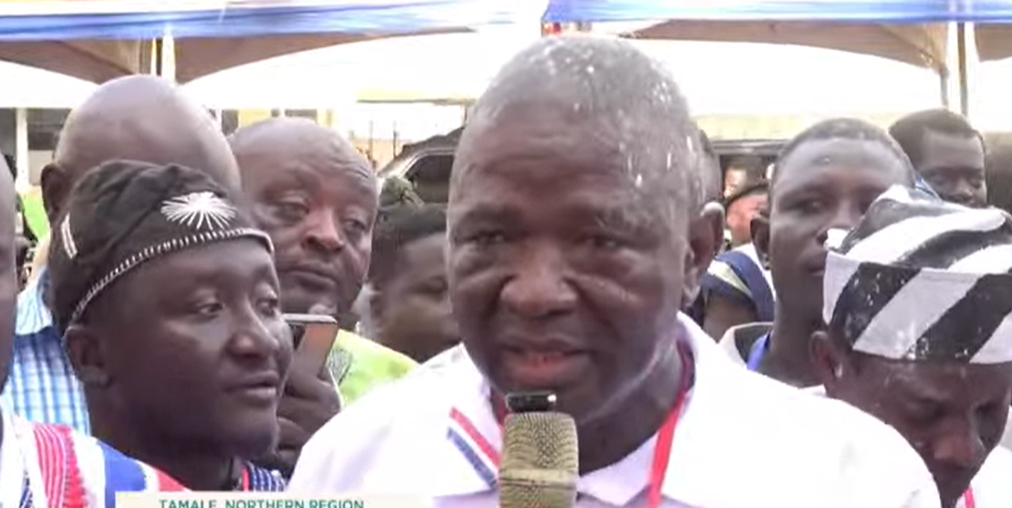
The National Democratic Congress (NPP) Chairman has made a direct appeal to party delegates, positioning them as the ultimate judges of his efforts to rebuild and strengthen the party machinery in preparation for the 2028 general elections. In his address, Kodua emphasised that delegates, as key stakeholders within the party structure, are best positioned to evaluate the effectiveness of his leadership and the progress made in repositioning the NPP for electoral success.
The statement comes at a critical juncture for Ghana's main opposition party, which has faced internal challenges and electoral setbacks in recent years. The focus on early internal preparation reflects a strategic recognition that rebuilding party structures, unity and grassroots organisation are essential foundations for any credible electoral campaign.
Building party structures from the ground up
Kodua's emphasis on strengthening electoral structures demonstrates an understanding that successful campaigns are built on solid internal organisation. This includes party discipline, effective communication channels between national and grassroots levels, and cohesive messaging across constituencies and regions. The NPP, like all political parties in Ghana, relies on these structural foundations to mobilise voters and translate party support into electoral victories.
The appeal to delegates is strategic—delegates form the backbone of party decision-making and represent the party's base at regional and national levels. Their buy-in and confidence in the party leadership are crucial for implementing any rebuilding agenda. By directly asking them to judge his efforts, Kodua is attempting to build accountability and transparency around his stewardship of the party during this critical period.
Why it matters for Ghana
The health and preparedness of Ghana's opposition parties are vital to democratic accountability. A strong, organised NPP—or any major opposition party—serves important functions: it provides electoral competition, holds government accountable through robust parliamentary oversight, and ensures that power does not become concentrated. The 2028 elections represent a major test for Ghana's political system, and how well the NPP rebuilds will significantly influence the electoral landscape and the quality of democratic competition.
Additionally, Ghana's political stability depends on peaceful alternations of power and constructive competition between parties. Early structural preparation by opposition parties signals a commitment to credible, transparent electoral participation rather than post-election disputes. For ordinary Ghanaians, this means having genuine choices at the ballot box and effective parliamentary opposition to scrutinise government decisions.
The road to 2028
The next few years will be critical for the NPP's positioning. Kodua's emphasis on early preparation suggests the party recognises that successful electoral recovery cannot be rushed. Key priorities for any opposition party rebuilding effort typically include:
- Resolving internal factional disputes and uniting around a coherent vision
- Strengthening organisational capacity at the constituency and regional levels
- Developing compelling policy alternatives and messaging for voters
- Building a robust fundraising and campaign infrastructure
- Selecting and preparing a strong presidential candidate with broad appeal
The delegates will ultimately be the first audience for Kodua's rebuilding efforts and, symbolically, the first judges of whether his leadership is delivering tangible results. Their confidence—or lack thereof—will ripple through party structures and influence perceptions among ordinary party members and voters.
Source: 3News

.jpg)
Comments (0)
Be the first to comment.