Nine years on: Ghana's Free SHS must now prioritise quality over numbers, says Napo
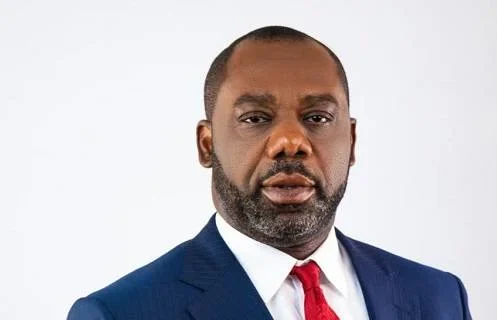
Ghana's Free Senior High School programme has reached a critical juncture, according to former Education Minister Dr Matthew Opoku Prempeh. On the ninth anniversary of the landmark policy, Prempeh argues that whilst the scheme has successfully opened secondary education to hundreds of thousands of young Ghanaians, the conversation must now shift from simply increasing enrolment to ensuring students actually receive quality instruction and gain employable skills.
The Free SHS programme, launched on 12 September 2017 under President Nana Addo Dankwa Akufo-Addo, eliminated tuition fees that had previously blocked many families from accessing secondary education. Prempeh, who served as Education Minister during its rollout, reflected on the achievement in a Facebook post: "Free SHS opened the door, but the next task is to make sure education leads somewhere."
The success and the strain
The programme's rapid expansion brought immediate benefits but also exposed weaknesses in Ghana's education infrastructure. Schools were overwhelmed by the surge in student numbers, forcing the government to introduce the Double Track system as a temporary measure whilst efforts were made to expand facilities and recruit additional teachers. Challenges with classroom capacity, teacher shortages, student feeding, school placement and overall funding persisted.
Prempeh acknowledged these systemic pressures candidly, noting that "major reforms cannot succeed without strengthening the systems that support them." He pointed to ongoing issues with school placement as a case study in how infrastructure and digital systems have struggled to keep pace with demand. Rather than treating placement difficulties as individual family problems, Prempeh advocates treating them as symptoms of deeper systemic weaknesses requiring coordinated solutions: better data use, clearer rules, stronger digital platforms, local problem-solving and faster responses when parents face delays.
Why it matters for Ghana
Nine years into Free SHS, Ghana stands at an inflection point. The policy has delivered on its primary aim—removing financial barriers to secondary education—but has also revealed that access alone does not guarantee meaningful learning outcomes. With millions of young Ghanaians now in secondary school, employers and universities increasingly report that graduates lack practical skills, critical thinking and job-readiness.
Prempeh's call for a quality-focused agenda has implications beyond education. Ghana's economic growth depends on a workforce equipped not just with formal qualifications but with skills that match market demands. The current placement crisis, which affects thousands of qualified students each year, underscores how system failures at scale can waste the investment the Free SHS programme represents.
The former minister stressed that quality education should translate into tangible opportunities: "Access must increasingly lead to quality. Education must lead to skills, skills must lead to opportunity, and opportunity must lead to the kind of development Ghana needs." This framing connects educational policy directly to national development priorities.
The path forward
Prempeh's reflection also carries a political undertone, as he was the NPP's 2024 running mate. He emphasised that "good policy should be strong enough to survive politics," suggesting that whichever government is in power should maintain and strengthen Free SHS rather than abandon or dismantle it for partisan reasons.
His recommendations are practical: policymakers should pursue systemic strengthening alongside access expansion, use data more effectively, digitise processes, devolve problem-solving to local levels, and respond quickly when challenges emerge. Critically, he argues the focus must now be on converting the raw numbers of enrolled students into measurable improvements in learning quality, skill acquisition and employment prospects.
As Ghana marks this milestone, the debate over Free SHS is evolving. The question is no longer whether the policy works in principle, but whether the state has the capacity and commitment to deliver quality alongside access—and whether the next chapter of the programme will equip young Ghanaians to thrive in a competitive global economy.
Source: The Ghana Report


Comments (0)
Be the first to comment.