Ghana expands school feeding to 4.5 million children as government increases budget to nearly GH¢2bn
The Government of Ghana is intensifying its commitment to child nutrition and educational access through a substantial injection of funds into the School Feeding Programme, allocating nearly GH¢2 billion for 2026. The expansion reflects a deliberate policy shift aimed at ensuring no child goes hungry whilst at school, a move that aligns with broader efforts to improve educational outcomes and child welfare across the country.
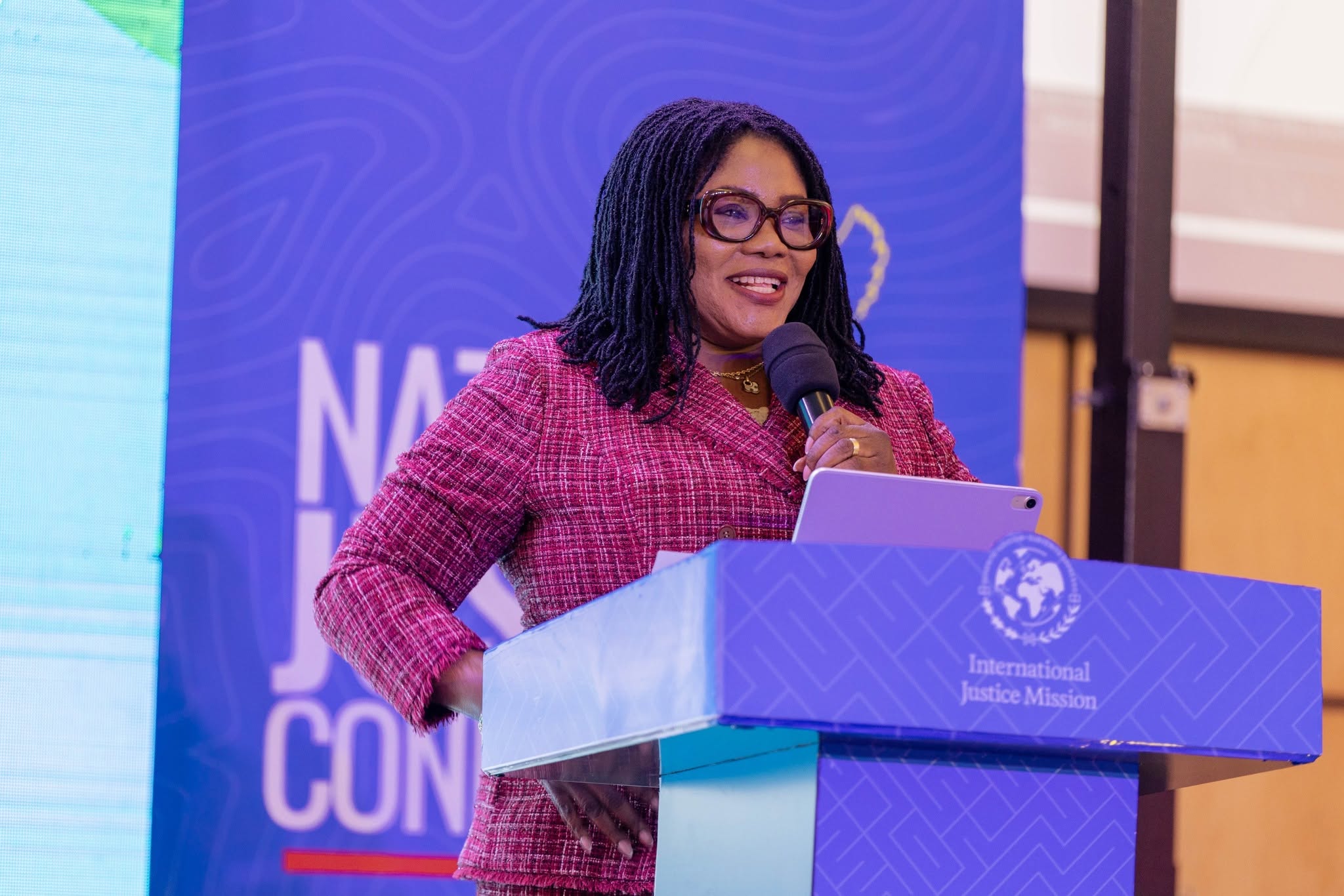
According to Dr Agnes Naa Momo Lartey, Minister for Gender, Children and Social Protection, the programme now reaches 4,527,636 children—a significant rise from 4,029,580 the previous year. This growth of approximately 500,000 additional pupils demonstrates the scale of government expansion efforts and suggests widening coverage into previously underserved communities. The daily meal provision remains a cornerstone intervention, with each schoolchild guaranteed a hot meal on every school day.
Increased Funding and Per-Child Support
The financial commitment to the programme has grown substantially over recent years. The budget rose from GH¢1.393 billion in 2024 to GH¢1.788 billion in 2025, and now stands at GH¢1.982 billion for 2026—an upward trajectory that signals sustained political will. Equally important is the increase in the feeding grant per child, which has been raised from GH¢1.50 to GH¢2. Whilst this may appear modest in absolute terms, the increment across millions of children represents a meaningful boost to meal quality and nutritional content.
Beyond new allocations, the government has prioritised clearing financial backlogs. Outstanding caterer arrears from 2024 have been settled, and payments for the first and second terms of the 2025/26 academic year have been released. This clearing of debts is crucial for programme sustainability, as it ensures caterers—typically small business operators who depend on timely government payments—can continue operations and source quality ingredients without financial strain.
Why It Matters for Ghana
The School Feeding Programme operates at the intersection of education policy, child welfare, and economic development. For Ghana, a country with persistent challenges around malnutrition and school attendance, particularly in rural and low-income areas, this initiative addresses multiple policy objectives simultaneously. Improved nutrition directly supports cognitive development and academic performance; reliable meal provision reduces absenteeism caused by hunger; and the programme generates employment for caterers and support staff, injecting money into local economies.
The expansion from 4,419 monitored schools in 2025 to 8,270 in 2026 signals that government is not merely maintaining the programme but seeking to strengthen its quality assurance mechanisms. Concurrent investment in training—20,171 caterers and head cooks have received instruction in practical nutrition standards—underscores the stated commitment to protecting meal quality and nutritional value. This dual focus on expansion and quality is essential, as a poorly implemented feeding scheme risks wasting resources and failing vulnerable children.
For families in Ghana's poorest households, the programme can be transformative. Guaranteed school meals reduce pressure on already-strained family budgets, allowing parents to allocate scarce resources elsewhere. For girls, consistent nutrition and school attendance improvements may influence retention rates and long-term educational outcomes. The programme also aligns with Ghana's education policy goals of universal primary completion and improved learning outcomes.
What Lies Ahead
The government's commitment to clearing arrears and increasing per-child allocations suggests a serious attempt to stabilise the programme's delivery. However, sustained success will depend on consistent budget execution, ongoing caterer support, and continued monitoring to prevent leakages or quality deterioration. As the programme matures and reaches new populations, maintaining momentum and quality will be the defining challenge for the next phase of implementation.
Source: MyJoyOnline



Comments (0)
Be the first to comment.