
Two Ghanaian nationals sentenced for elaborate romance scam targeting Americans


Two Ghanaian nationals have entered guilty pleas in a major romance scam case prosecuted in New York federal court, marking another instance of organised cybercrime involving Ghanaian suspects operating from abroad. Boateng entered his guilty plea before U.S. District Judge Arun Subramanian, whilst Ahmed pleaded guilty on October 27, 2026, both facing conspiracy charges related to wire fraud.
Romance scams—where perpetrators establish fake romantic relationships with victims online to manipulate them into sending money—have become a sophisticated criminal enterprise, with networks often spanning multiple countries. The guilty pleas indicate that both defendants acknowledged their participation in a coordinated scheme to defraud victims, typically through emotional manipulation and false promises.
Ghana's growing reputation in online fraud
This case adds to a troubling pattern. Ghana has increasingly become associated with internet fraud schemes, particularly romance scams and business email compromise tactics. Law enforcement agencies in the United States, United Kingdom, and other Western nations have repeatedly targeted criminal networks with Ghanaian connections, leading to multiple prosecutions and extraditions.
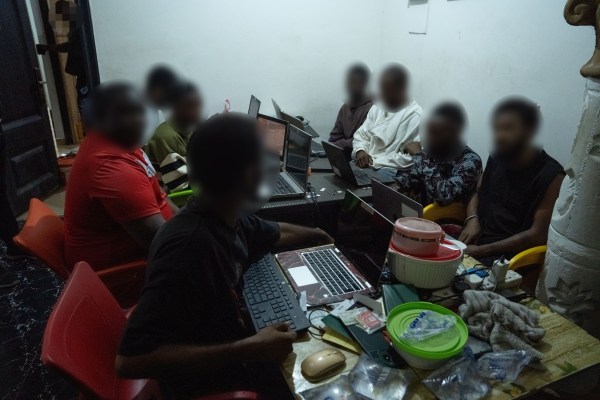
The involvement of nationals from developing economies in transnational cybercrime reflects both the accessibility of internet technology and the economic desperation that can drive individuals toward illegal activity. These schemes often operate through call centres or networked operations where perpetrators use fake identities and stolen photographs to build trust with vulnerable victims, frequently elderly Americans or lonely individuals seeking companionship.
Why it matters for Ghana
High-profile cases like this damage Ghana's international reputation and complicate legitimate business and travel for ordinary Ghanaians. The country risks being stereotyped negatively in immigration and visa processes, potentially affecting genuine workers, students, and entrepreneurs abroad. Additionally, such prosecutions create diplomatic friction and increased scrutiny of Ghanaian citizens by foreign law enforcement.
For domestic stakeholders, these cases underscore the need for Ghana to strengthen cybercrime prevention and digital literacy programmes. Young people must understand both the legal consequences and the ethical implications of participating in online fraud schemes, which carry lengthy prison sentences in foreign jurisdictions.
Legal consequences and next steps
Wire fraud conspiracy charges carry serious penalties under U.S. federal law. Sentencing dates have not yet been announced, but defendants convicted of such charges typically face substantial prison time, often measured in years. Both men may also face asset forfeiture and restitution orders requiring them to repay victims.
The guilty pleas spare the prosecution the burden of trial but signal to potential perpetrators that law enforcement is actively investigating and prosecuting these schemes. U.S. federal agencies, including the FBI and Secret Service, continue to prioritise romance scam investigations, particularly where international networks are involved.
This case serves as a stark reminder that online fraud carries real consequences—both for victims who suffer financial and emotional harm, and for perpetrators who face prosecution, imprisonment, and deportation.
Source: 3News



Comments (0)
Be the first to comment.