Ghanaian man 'Abu Trica' faces US trial for AI-powered romance scam fraud

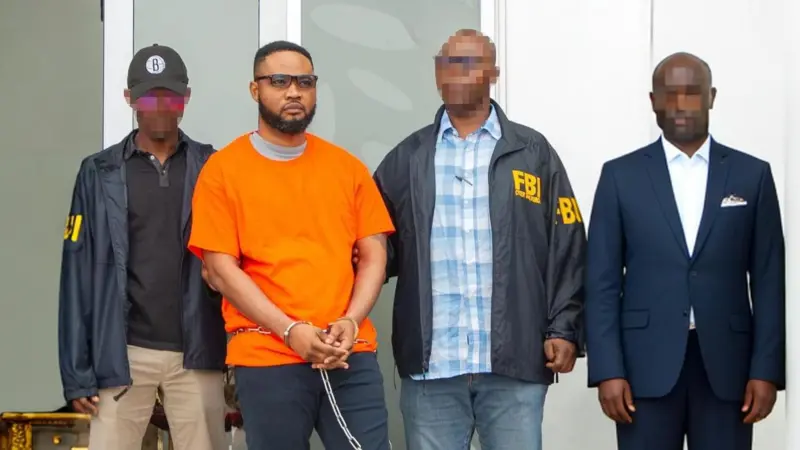
A Ghanaian national arrested in connection with a high-tech romance fraud scheme involving artificial intelligence-generated fake identities will stand trial in the United States next year. Frederick Kumi, who operates under the alias "Abu Trica," has pleaded not guilty to wire fraud charges in a case that underscores the evolving dangers of AI-enabled financial crime targeting vulnerable victims.
The trial is scheduled for September 2026, marking a significant moment in what prosecutors describe as a sophisticated scam operation. Kumi's case represents an emerging category of cybercrime where perpetrators use AI technology to create convincing fake personas—complete with fabricated photos and biographical details—to deceive victims, typically extracting money through romantic deception schemes.
How the scam operated
Romance scams have plagued vulnerable people for years, but the integration of artificial intelligence has made them considerably harder to detect. Rather than relying on stolen photos or crude impersonations, scammers using AI can generate entirely fictional but photorealistic identities, making their schemes appear far more credible. These fake personas build emotional connections with targets online before requesting money for supposed emergencies, investments, or travel expenses.
The specifics of Kumi's operation, including the scale of losses and number of victims, remain part of the ongoing legal proceedings. However, the seriousness with which US authorities have pursued the case reflects growing concern about AI-enabled fraud networks operating across borders.
Why it matters for Ghana
This case carries significant implications for Ghana and West Africa more broadly. Romance scams and advance-fee fraud have long been associated with perpetrators operating from Ghana, Nigeria, and other regional hubs. The evolution toward AI-generated identities suggests that Ghanaian-based fraud networks may be investing in cutting-edge technology to enhance their operations—a troubling sign for both international law enforcement and potential victims worldwide.
The case also raises questions about cybercrime regulation and enforcement in Ghana. As Ghanaian nationals face prosecution abroad for sophisticated digital crimes, it underscores the need for stronger domestic cybercrime legislation, enhanced investigative capacity, and international cooperation. Ghana's Economic and Organised Crime Office (EOCO) and other agencies may need to focus more resources on combating AI-enabled fraud networks before they victimise more people globally.
Furthermore, the visibility of this case could affect Ghana's international reputation in combating cybercrime, particularly as the country seeks to establish itself as a digital hub and trusted player in the global tech economy.
Legal and broader context
Kumi's not-guilty plea suggests the defence will contest the wire fraud allegations, though the specifics of that strategy remain unclear. The September 2026 trial date gives both prosecution and defence time to prepare. Wire fraud convictions in the US carry serious penalties, including lengthy prison sentences and substantial fines.
The case also highlights how transnational crime increasingly blurs borders. Victims may be scattered across multiple countries, while perpetrators operate from bases in West Africa using virtual infrastructure. This complexity demands coordinated international law enforcement—partnerships between US authorities, Ghanaian agencies, and other nations—to dismantle these networks effectively.
Source: 3News


Comments (0)
Be the first to comment.