Niger's ICC Withdrawal Signals Growing African Retreat from International Justice
A Pattern of Withdrawal During Crisis
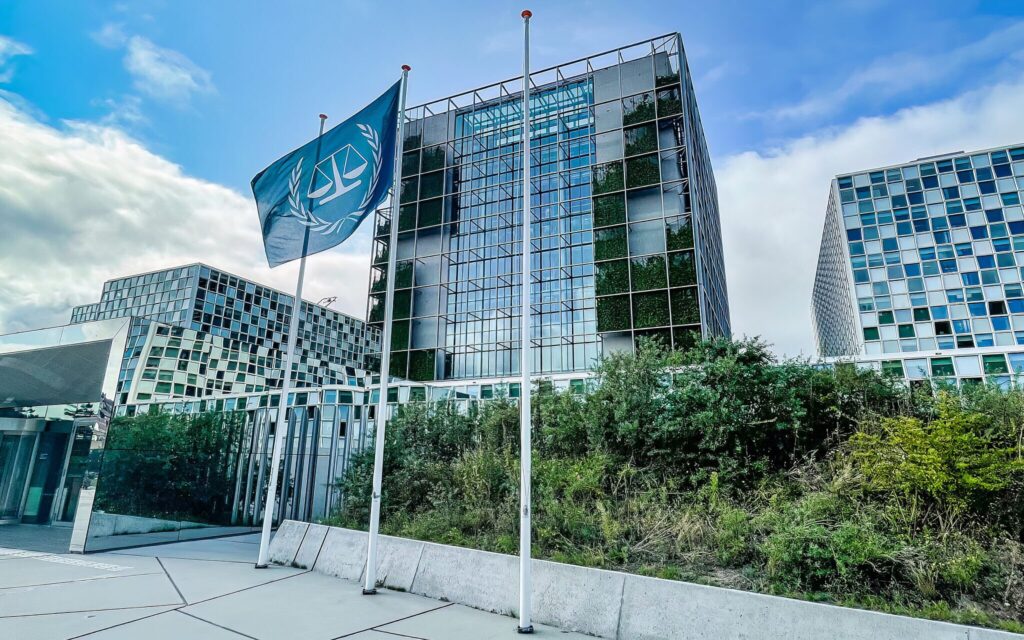
Niger's military government has formally notified the International Criminal Court (ICC) of its intention to withdraw, making it only the third country globally to complete this process after Burundi and the Philippines. The timing is concerning: Niger's departure comes one year after the July 2023 military coup and follows similar withdrawal announcements from fellow Sahel Alliance members Mali and Burkina Faso—all nations currently under military rule and facing serious allegations of human rights abuses.
The pattern is striking. Nearly every state withdrawing from or planning to leave the ICC has done so during periods of democratic decline, authoritarian consolidation, or widespread allegations of human rights violations. This suggests withdrawal is being used as a shield against international scrutiny rather than a principled legal decision.
The Cost Falls on Victims, Not Leaders
The consequences of ICC withdrawal are not borne by political elites seeking to escape accountability. Instead, victims pay the highest price. For survivors of atrocities—those who lost family members in massacres, survivors of conflict-related sexual violence, and children forcibly conscripted into armed groups—the ICC often represents the only remaining avenue for justice and recognition when domestic institutions fail or are compromised.
The court has facilitated crucial victories for African victims. In Uganda, survivors of Lord's Resistance Army atrocities saw Dominic Ongwen convicted and ordered to pay $56 million in reparations. In Mali, communities devastated by cultural destruction witnessed Ahmad Al Faqi Al Mahdi held accountable. Through its Trust Fund for Victims, the ICC has provided reparations, rehabilitation, and support services across the continent. When states withdraw, these mechanisms disappear.
History's Warning on Impunity
International justice experts warn that weakened accountability mechanisms lead to expanded impunity, and expanded impunity breeds recurring violence. The measure of any justice system, they argue, is not how it protects the powerful, but how it serves the powerless. For many across Africa, the ICC—despite its flaws and controversies—remains one of the few institutions attempting to ensure the gravest crimes do not go unanswered.
Source: MyJoyOnline



Comments (0)
Be the first to comment.