
NIC's new vehicle insurance verification process frustrates users; Akomea questions digital roadblock


A new vehicle insurance verification process introduced by the National Insurance Commission (NIC) has drawn criticism for creating unnecessary barriers rather than streamlining the digitalisation agenda, with prominent businessman and communications expert Nana Akomea publicly questioning its implementation.
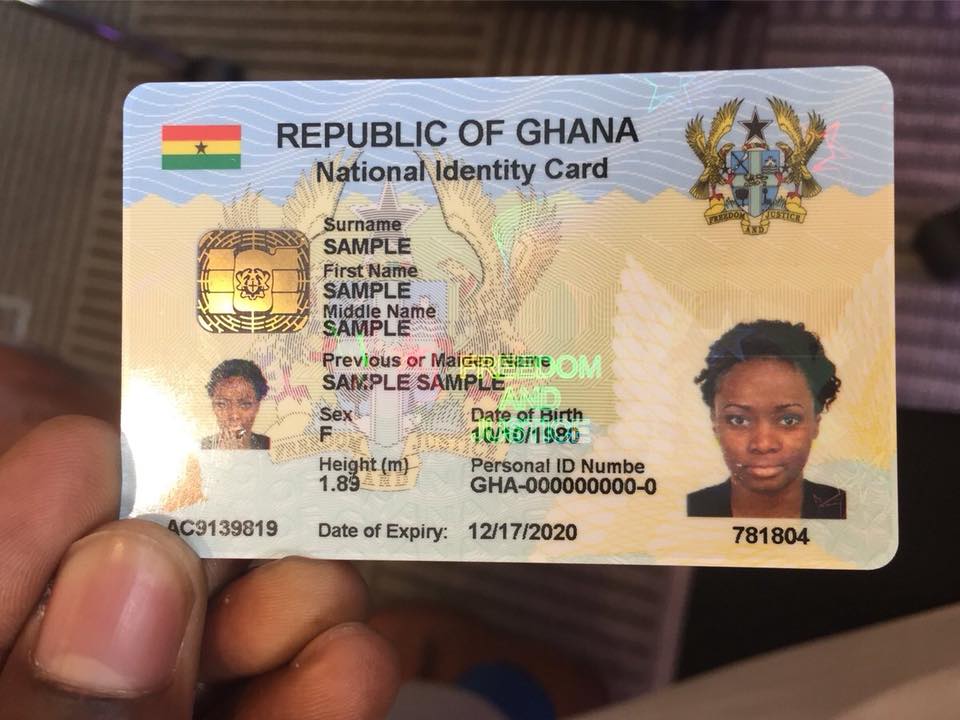
Akomea, who recently renewed his vehicle insurance and settled his premium, discovered that insurers are now required to direct policyholders to submit Ghana Card details and photographs directly to the NIC to finalise their insurance registration. The additional step has proven problematic for users attempting to complete what should be a straightforward online transaction.
In detailing his experience on social media, Akomea highlighted the redundancy and technical failures inherent in the process. Despite his insurance company already holding his Ghana Card information and photograph on file, he was directed to resubmit these details through the NIC's portal. After five separate attempts to upload his photograph, the system repeatedly rejected it as unverifiable, forcing him to abandon the process entirely.
The unresolved status of his insurance—paid in full but administratively incomplete—exemplifies a broader frustration with the implementation. Akomea's public critique underscores a critical tension: while digital transformation is intended to reduce bureaucratic friction and empower citizens, poorly designed systems can inadvertently create new obstacles.
Why it matters for Ghana
This issue touches a nerve in Ghana's ongoing digitalisation journey. The country has invested significantly in digital infrastructure, including the Ghana Card national identification system, yet coordination between government agencies and private sector remains fragmented. Vehicle insurance verification is a compulsory requirement affecting millions of Ghanaian motorists annually, making process efficiency critical to public trust and compliance.
The NIC's new protocol, while likely designed to strengthen verification standards and reduce fraud, demonstrates how well-intentioned regulatory changes can backfire when user experience and inter-agency data-sharing are overlooked. Motorists facing delays or rejections may be tempted to operate uninsured, undermining the regulatory objective altogether and increasing road accident liability risks.
Furthermore, this incident raises questions about data governance and why insurance companies cannot serve as trusted intermediaries for verification purposes, eliminating duplicate submissions. For a country promoting financial inclusion and digital adoption, such procedural barriers risk discouraging legitimate participation in formalised insurance markets.
The path forward
Akomea's complaint highlights the need for improved communication between the NIC, insurance providers, and the public. Motorists deserve clarity on the new process, technical support for troubleshooting, and reasonable timelines for resolution. The NIC should also evaluate whether the verification protocol can be simplified or whether backend data-sharing between the NIC and insurers could eliminate the need for redundant customer submissions.
As Ghana continues its digital transformation agenda, incidents like this serve as reminders that technology alone does not guarantee progress. System design must prioritise user accessibility, cross-agency coordination, and transparent communication to realise the promise of digitalisation without creating new bureaucratic headaches.
Source: The Ghanaian Times




Comments (0)
Be the first to comment.