
NIA Cracks Down on Corruption: Six Arrested, Seven Fired Over Ghana Card Extortion Scheme
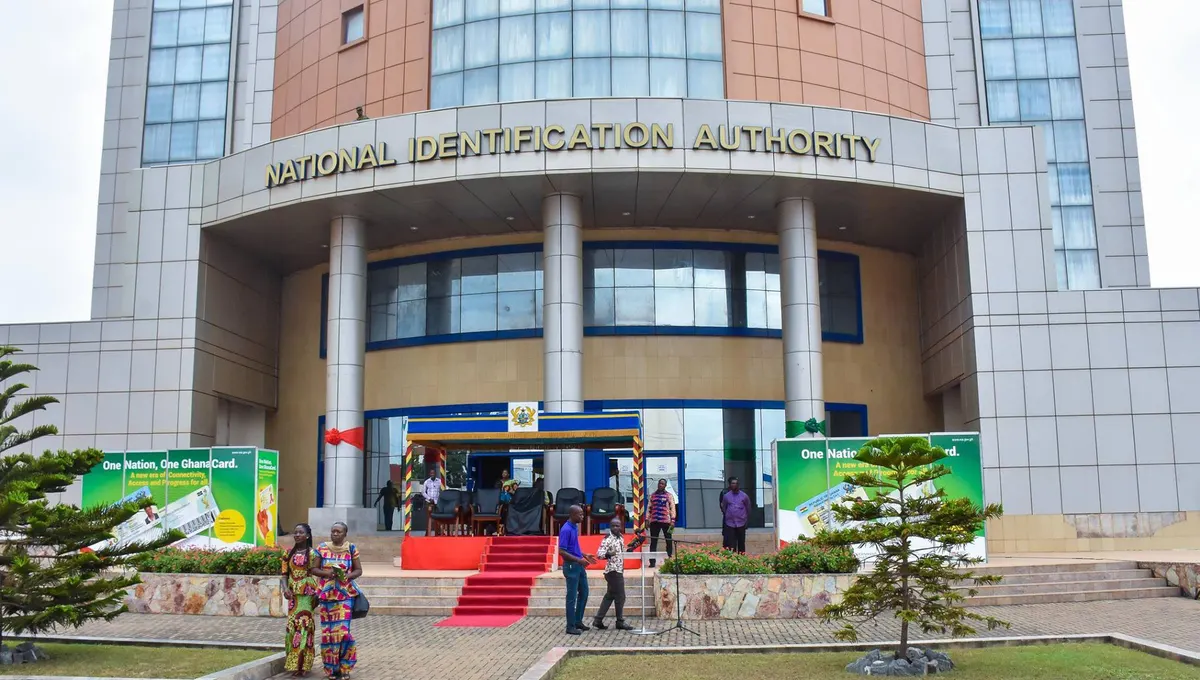

The National Identification Authority has taken decisive action against corrupt officials at its Galaka registration centre in the Upper East Region, announcing the arrest of six staff members and the termination of seven others following allegations of extortion during the free Ghana Card registration programme for children aged six to 14 years.
The move represents a significant enforcement action against internal misconduct within the identification services agency and signals the organisation's commitment to protecting vulnerable citizens accessing critical government services.
Details of the Crackdown
The arrests and dismissals came after investigations into complaints that staff members were allegedly demanding payments from parents and guardians seeking to register children for the Ghana Card at the Galaka centre. The free registration exercise was designed to ensure all eligible children obtain the national identification document without financial burden, making the alleged extortion particularly egregious.
By terminating seven employees and referring six others to law enforcement, the NIA has separated those accused of the most serious misconduct from the organisation whilst ensuring criminal investigations can proceed independently against those arrested.
Why This Matters for Ghana
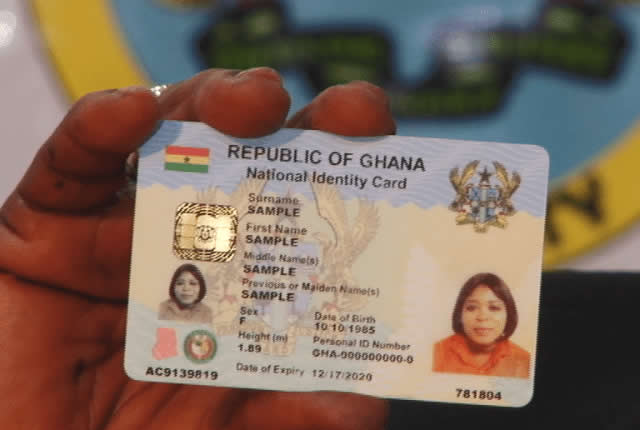
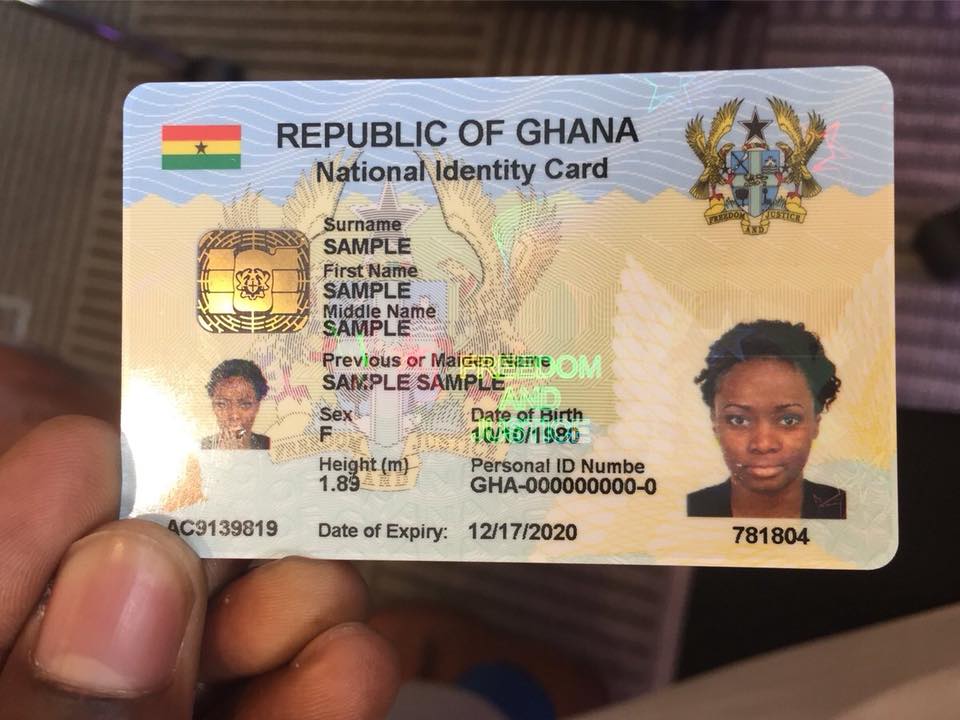
The Ghana Card registration programme is a cornerstone of Ghana's identity management infrastructure, providing citizens with secure biometric identification. The scheme has particular importance for children, as early registration supports education enrolment, healthcare access, and future civic participation.
When officials exploit free government programmes targeting minors, they undermine public trust in state institutions and create barriers for disadvantaged families who may lack resources to pay unofficial charges. The Upper East Region, like many northern regions, faces challenges with service accessibility, making corruption at registration centres especially damaging to vulnerable communities.
This enforcement action demonstrates that the NIA is willing to pursue internal accountability. However, it also raises questions about broader corruption monitoring across other registration centres nationwide. Citizens and oversight bodies will likely scrutinise whether similar misconduct exists elsewhere and what additional safeguards are being implemented.
Strengthening Service Integrity
The incident underscores the importance of transparency mechanisms within government agencies responsible for delivering essential services. Corruption during registration creates a false cost barrier to accessing government benefits and erodes confidence in public institutions amongst ordinary Ghanaians.
The NIA's action suggests the organisation has functional internal investigations capacity and a willingness to act on complaints. Going forward, ensuring visible consequences for corruption—through both criminal prosecution and employment termination—may deter similar behaviour across the system.
The cases against the six arrested individuals will proceed through Ghana's justice system, which will ultimately determine whether charges are upheld and what penalties apply. The dismissals of the seven terminated staff members represent immediate administrative consequences regardless of any criminal proceedings.
Source: 3News


Comments (0)
Be the first to comment.