New NPP Savannah Chief Pledges Party Rebuild as Regional Leadership Takes Oath
.jpg)
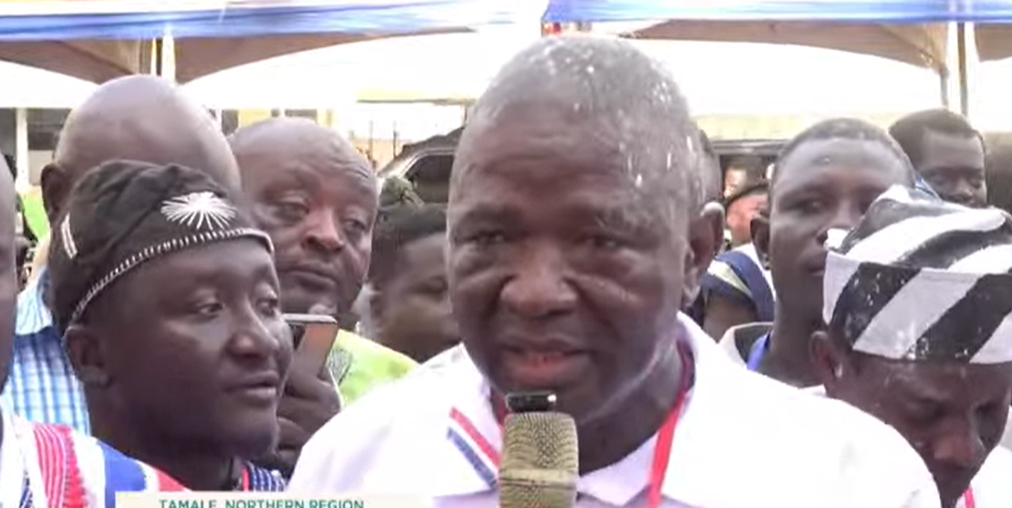
Alhaji Iddrisu Sulemana has assumed office as the New Patriotic Party's Savannah Regional Chairman, signalling the beginning of a crucial rebuilding phase for the opposition party in one of Ghana's key northern territories. Speaking shortly after his swearing-in ceremony, Sulemana emphasised unity among party faithful as essential to recovering from recent electoral setbacks and positioning the NPP competitively ahead of the 2028 presidential contest.
A New Leadership Chapter for NPP in Savannah
The appointment comes at a significant juncture for the party following disappointing results in the 2024 general elections, which saw the National Democratic Congress secure the presidency and parliamentary majority. Regional leadership reshuffles across Ghana's ten regions form part of the NPP's broader strategy to energise its grassroots structures and restore party morale. The Savannah Region, encompassing Damongo and surrounding communities, represents a traditionally competitive electoral zone where party performance directly influences national margins.
Sulemana's emphasis on unity reflects internal acknowledgement that divisions—whether generational, factional, or ideological—weakened party cohesion during the previous election cycle. His inaugural message to party members and supporters underscores the leadership's intent to create an inclusive environment where diverse voices within the NPP feel represented and motivated to canvass voters.
Why It Matters for Ghana
The NPP's recovery trajectory matters significantly for Ghana's democratic health. A strong, organised opposition provides essential checks on executive power, scrutinises government policy, and offers voters genuine electoral choice. The Savannah Region, though smaller than southern regions, remains strategically important; northern Ghana has shown increasing electoral volatility, and parties that neglect these areas risk losing critical parliamentary seats and presidential votes.
Sulemana's appointment also signals the NPP's recognition that rebuilding cannot wait passively for 2028. Instead, the party must begin immediately—through grassroots engagement, policy development, and leadership visibility—to contest local elections and maintain relevance between now and the next general poll. How effectively regional chairs like Sulemana execute this mandate will largely determine whether the NPP can reverse its fortunes or whether it faces a prolonged period in opposition.
For ordinary Ghanaians, a functioning multi-party system where the NPP and NDC genuinely compete keeps both parties accountable and responsive to citizen concerns. Regional leaders who prioritise party unity over faction-building contribute to that democratic stability.
Looking Ahead to 2028
The path to 2028 presents both challenges and opportunities for Sulemana and his regional executive. The NPP must rebuild trust among rural and urban voters who switched allegiance, manage internal expectations regarding potential presidential candidates, and develop policy platforms that address contemporary concerns—cost of living, jobs, education quality, and health services.
Sulemana's call for unity, therefore, extends beyond ceremonial rhetoric. It represents a recognition that the hard work of opposition politics demands discipline, coherence, and sustained commitment from party structures at every level. The Savannah Region's capacity to mobilise voters, organise community engagement, and maintain party morale will contribute materially to the NPP's broader national comeback efforts.
Source: 3News

Comments (0)
Be the first to comment.