
NDC tightens grip on executive race: government appointees must resign or be barred
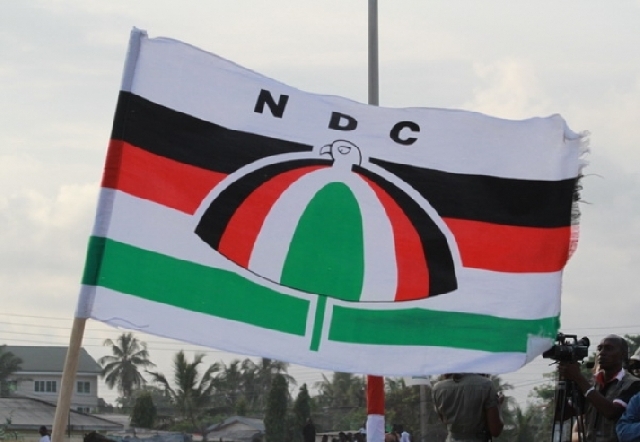

Ghana's opposition National Democratic Congress (NDC) has doubled down on enforcing a long-standing internal rule that will reshape its upcoming executive elections: any government appointee who wishes to contest party positions must first formally resign from their public office, with no exceptions permitted.
The ruling, which the party says remains non-negotiable, has significant implications for several high-profile NDC members currently serving in government roles. Those who fail to step down before nominations close will be automatically disqualified, the party leadership confirmed this week.
Who has resigned and who hasn't
While the NDC acknowledged that some officials have already tendered their resignations—including the Eastern Regional Chairman, the Eastern Regional Communications Officer, and prominent National Chairman contender Leland Tay—the party headquarters said it is still awaiting formal notification from most others rumoured to have stepped down. This discrepancy between social media reports and official party records has created uncertainty about who precisely meets the eligibility threshold.
Jibril Mahdi, the NDC's Acting IT Director, made the party's position crystal clear: "Whoever is in office is not qualified to contest our elections." He emphasised that the party has received no official resignation letters from the vast majority of individuals reported to be leaving government, and stressed that headquarters cannot act on unverified social media claims. Mahdi noted that since the NDC is not the appointing authority for government positions, applicants must themselves provide proof of their resignation during the nomination and vetting phases.
What this means for NDC candidates
The directive will likely prevent several government officials from entering the race unless they act quickly. The party has explicitly ruled out granting exemptions, meaning aspiring candidates cannot negotiate special status based on their profile or importance to the party. All eligibility determinations will occur during the formal nomination, filing and vetting process, where documentation proving resignation will be required alongside other qualification checks.
This approach mirrors governance standards in many democracies, where officials are expected to separate themselves from executive roles before seeking party leadership. However, it may also create strategic complications for some candidates who fear losing their government positions if they publicly announce their intention to contest, potentially explaining why confirmations remain unofficial.
Why it matters for Ghana
The NDC's firmness on this rule reflects broader concerns about conflicts of interest in Ghana's political system. When government appointees simultaneously hold senior party positions, questions naturally arise about whether they prioritise their official duties or party advancement. By enforcing clear separation, the NDC aims to maintain credibility and demonstrate institutional discipline—a message especially important as the party prepares for Ghana's next general election cycle.
The party is proceeding with its internal electoral calendar following the completion of branch-level elections, with executive polls scheduled for the coming months. How strictly this resignation requirement is enforced will set a precedent for future NDC internal contests and may influence how other political parties in Ghana approach similar governance questions. For now, the ball is in the court of interested candidates: resign officially, or lose eligibility to run.
Source: The Ghana Report




Comments (0)
Be the first to comment.