
NDC Primary Elections Disrupted in Ashanti Region Over Missing Ballot Papers
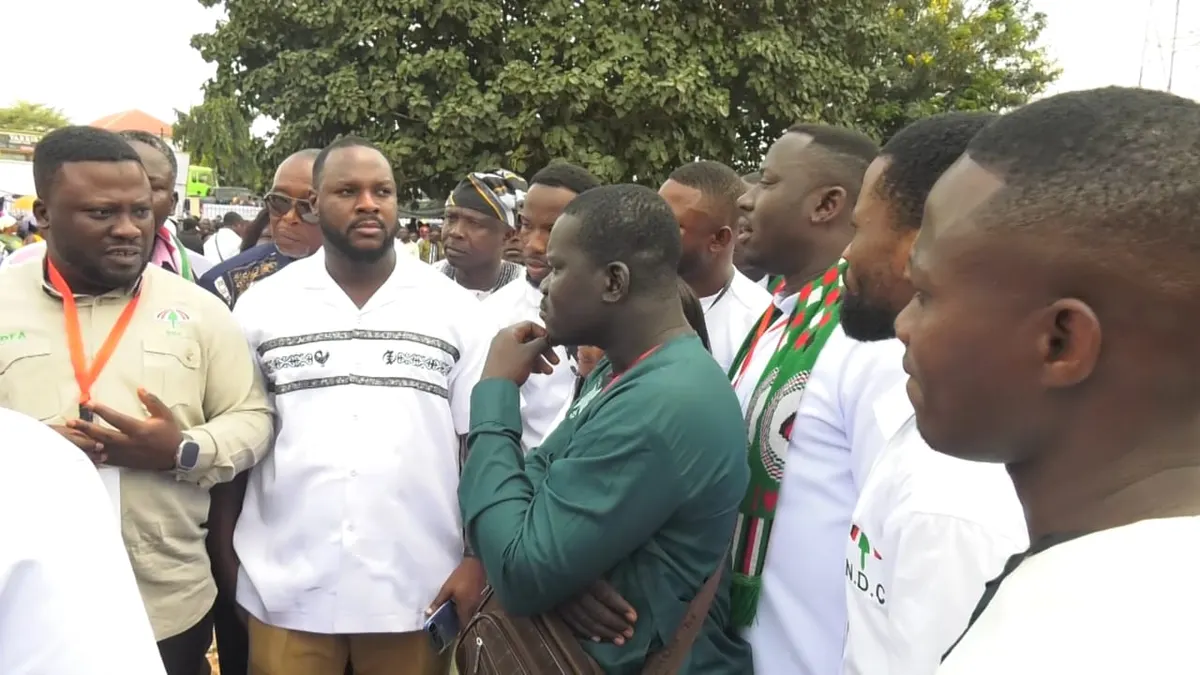

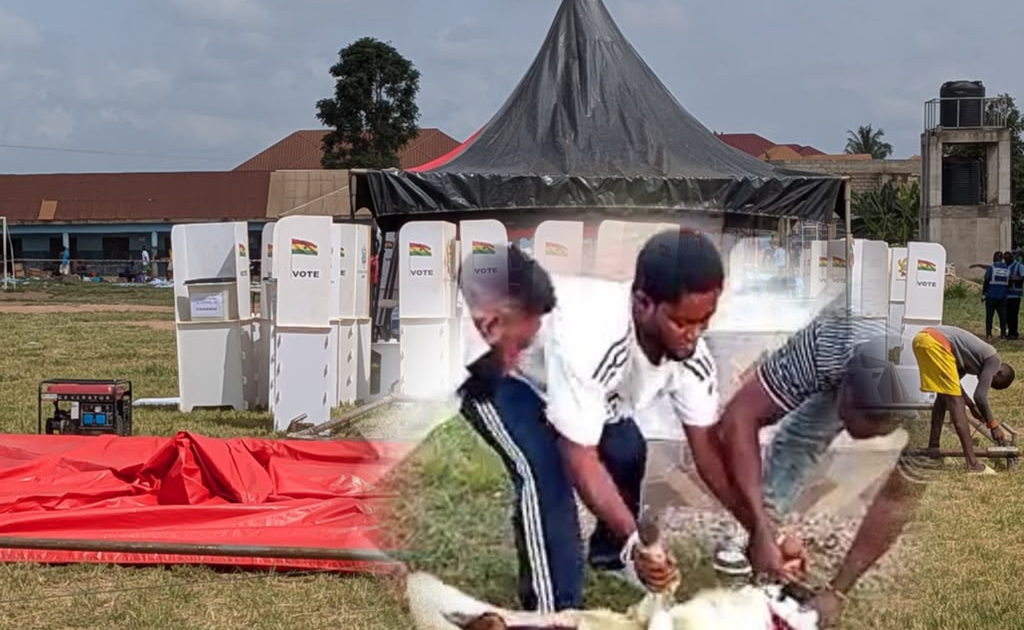
The National Democratic Congress (NDC) primary elections in two Ashanti Region constituencies descended into chaos on Monday as organisational failures threatened the credibility of the exercise. Angry political aspirants at Oforikrom and Atwima Kwanwoma demanded an immediate suspension of voting after discovering that critical ballot papers had not arrived at polling stations, forcing election officials to scramble for solutions amid mounting frustration.
The shortage left candidates stranded without the necessary materials to conduct fair contests, with some threatening to boycott the exercise altogether if the problem was not resolved promptly. Party officials faced intense pressure to explain the logistical breakdown and provide assurances that the voting would be credible and transparent.
What went wrong
The ballot paper crisis exposed significant planning failures within the NDC's electoral machinery at the grassroots level. With voting already underway in other constituencies across the region, the unavailability of papers in Oforikrom and Atwima Kwanwoma raised serious questions about the party's coordination and preparation for its primary process. Aspirants argued that proceeding without complete materials would undermine the legitimacy of whoever emerged as the chosen parliamentary candidate for those constituencies.
Party coordinators were forced into emergency consultations to determine whether elections should continue under improvised conditions or be postponed entirely. The tension highlighted the practical challenges facing opposition parties in executing large-scale internal elections across geographically dispersed areas, especially when resources and logistics management fall short.
Why it matters for Ghana
The NDC primary elections represent a critical juncture for Ghana's opposition politics ahead of the 2024 general elections. How the party handles internal contests—including resolving disputes and ensuring fairness—will directly influence public confidence in the NDC as a viable alternative government. Organisational lapses of this magnitude can damage the party's credibility among voters and create lasting resentment among defeated candidates, potentially fracturing party unity when it is needed most.
The Ashanti Region remains one of Ghana's most competitive political battlegrounds, where parliamentary seats are fiercely contested. Any perception that the NDC's selection process was compromised or unfair could weaken the party's ability to mount effective campaigns in constituencies where margins of victory are razor-thin. Voters across the country are watching how opposition parties manage their internal affairs as a barometer of their capacity to govern efficiently.
Additionally, these incidents highlight broader systemic issues within Ghana's political parties regarding resource allocation, operational transparency, and adherence to democratic principles. Both the NDC and the ruling party face ongoing pressure to strengthen their internal electoral processes to model good governance practices for the wider public.
Next steps
The resolution of the ballot paper crisis in Oforikrom and Atwima Kwanwoma will determine whether affected aspirants accept the results or lodge formal complaints to the party's dispute resolution mechanisms. The NDC's national leadership must ensure that a credible solution is implemented quickly to prevent further erosion of trust in the primary election process. Party officials are expected to conduct a comprehensive review of electoral logistics to prevent similar incidents in remaining constituencies and in future internal contests.
Source: 3News




Comments (0)
Be the first to comment.