
National Chief Imam: Ghana's Pillar of Religious Unity, Says New Chieftaincy Minister
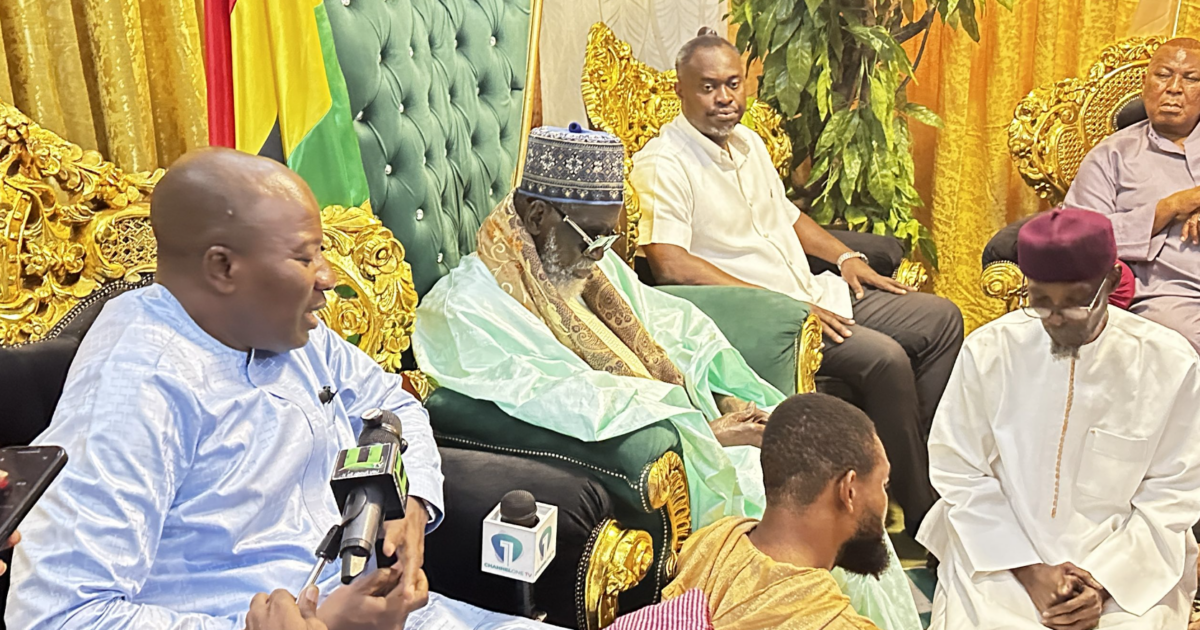

Ghana's newly appointed Minister for Local Government, Chieftaincy and Religious Affairs, Mahama Ayariga, has paid tribute to the National Chief Imam, Sheikh Dr Osman Nuhu Sharubutu, describing him as the nation's foremost symbol of interfaith harmony and peaceful coexistence. The Minister made the remarks during a courtesy call at the Chief Imam's residence in Accra, seeking spiritual guidance as he settles into his portfolio under President John Dramani Mahama's administration.
The visit underscores the government's commitment to religious affairs and the crucial role religious leaders play in maintaining social cohesion across Ghana's diverse faith communities. Mr Ayariga highlighted that the National Chief Imam had demonstrated consistent support, including sending delegations to his parliamentary vetting and swearing-in ceremony—a gesture reflecting the deep respect in which the Chief Imam is held across political and religious lines.
The Scope of the New Ministry
Mr Ayariga's portfolio encompasses significant responsibilities that extend far beyond religious matters. He now oversees Ghana's 261 Metropolitan, Municipal and District Assemblies, chieftaincy affairs, religious matters and national sanitation. The breadth of these duties prompted the Minister to seek the Chief Imam's blessings and prayers, acknowledging that spiritual guidance would be essential as he navigates complex governance challenges affecting millions of Ghanaians.
The Minister emphasised that his appointment reflects the government's broader recognition of religion's importance in national development and social stability. By visiting the National Chief Imam early in his tenure, Mr Ayariga demonstrated respect for traditional protocols and an understanding that religious leaders remain key stakeholders in Ghana's governance structure.
During the visit, the National Chief Imam offered prayers for the Minister's success, invoking Allah's strength, wisdom and good health to sustain him through the demanding assignment ahead. Sheikh Osman Nuhu Sharubutu also prayed for President Mahama, requesting divine blessing for the President's vision and the successful implementation of policies aimed at improving citizens' livelihoods.
Why It Matters for Ghana
Ghana has earned recognition as a beacon of religious tolerance in West Africa, with peaceful coexistence between Muslim, Christian, traditional and other faith communities. However, maintaining this harmony requires continuous, deliberate effort from both political and religious leadership. The National Chief Imam's public standing as a unifying figure—acknowledged by government officials across party lines—demonstrates how religious leaders can transcend sectarian divisions and model behaviour for the broader population.
The Chief Imam's repeated emphasis that national development cannot occur without peace and harmony carries particular significance in a region where religious and ethnic tensions periodically destabilise neighbouring countries. His commitment to praying not only for Ghana but for conflict-affected nations worldwide reflects an understanding that regional stability benefits all of West Africa, including Ghanaian citizens and diaspora communities.
For the new minister's portfolio covering local government, chieftaincy and religious affairs, the Chief Imam's blessing carries symbolic weight. These three areas—local governance, traditional authority and religious life—intersect frequently at the grassroots level. District chief executives, traditional rulers and religious leaders must collaborate effectively to deliver services and maintain order. The Chief Imam's endorsement of Mr Ayariga sends a signal to faith communities nationwide that they have a sympathetic ear in the ministry.
The Minister's invocation of Islamic teachings about following leaders' examples also suggests the government intends to leverage religious education as a tool for promoting values like tolerance, integrity and public service. With Ghana facing challenges from corruption, sectarian tensions in some communities and governance gaps, aligning political messaging with religious values could strengthen public trust and social cohesion.
As Ghana's government settles into its mandate, these early engagements between ministers and traditional leaders—particularly the National Chief Imam—set the tone for how the administration will approach matters of faith, culture and national unity.
Source: MyJoyOnline


Comments (0)
Be the first to comment.